How much does an hour of class on the use of digital really matter? He tried to answer this question Triads, spin-off of the Polytechnic of Milanwith the first structured impact evaluation of NeoConnessi, Wind Tre’s digital education project aimed at students, teachers and parents of primary and lower secondary schools. Not a simple monitoring of diffusion – which remains significant, with 2.5 million children involved in recent years and over half of the Italian schools reached – but a detailed comparison between the skills of the children before and after the training course. The resultspresented in April in Rome before the Ministry of Education, AgCom, the National Association of Principals, the Italian Society of Paediatrics and UNICEF, provide a clear picture: digital education, if structured and continuous, produces measurable effects not only on students, but also on families and teachers.
The digital skills of the youngest, children attending primary schools, have recorded a clear growth (+8%) just as secondary school students, after taking a course like Neoconnessi, show better management of screentime.
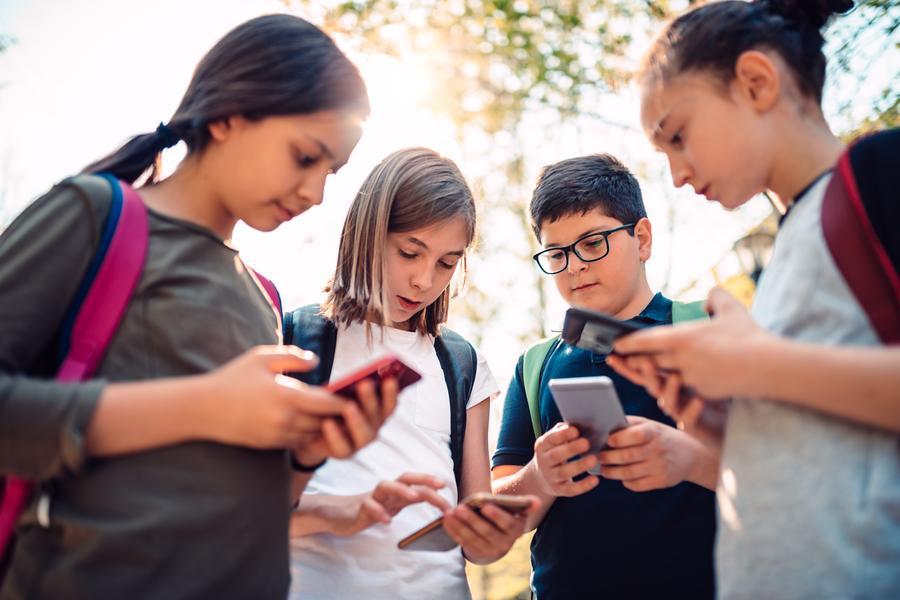
Children and adolescents are constantly exposed to digital: 72% of them use the Internet and 26% have already experienced first-hand one of the most trying challenges for our society in recent years: artificial intelligence. However, there remains a gray area on which we will have to work over time: one child in 4 is unaware of the risks associated with fake newswhile three out of 4 are unaware of excessive screentime, deepfakes and improper sharing of personal data. Families also appear fragile: three out of four do not feel safe in guiding their sons and daughters in the use of technology.
The most interesting data concerns the “cascade” effect on families: 89% of students notice an improvement in their parents’ use of digital after the course, and 77% of families have introduced or strengthened parental controls — a significant leap, considering that before the journey three out of four families did not feel confident in guiding their children online.

Teachers also emerge strengthened: 98% feel more prepared on digital topics and over 90% report improvements in students’ cognitive, social and emotional skills.
«The impact evaluation of NeoConnessi shows that the program works on all three levels», commented Gabriele Guzzetti, director of Triadi.
Active since 2018 in collaboration with the State Police and with the scientific support of the Italian Society of Paediatrics and the National Council of the Order of Psychologists, NeoConnessi is entirely free and makes courses and materials available to schools and families on the website neoconnessi.windtre.it.