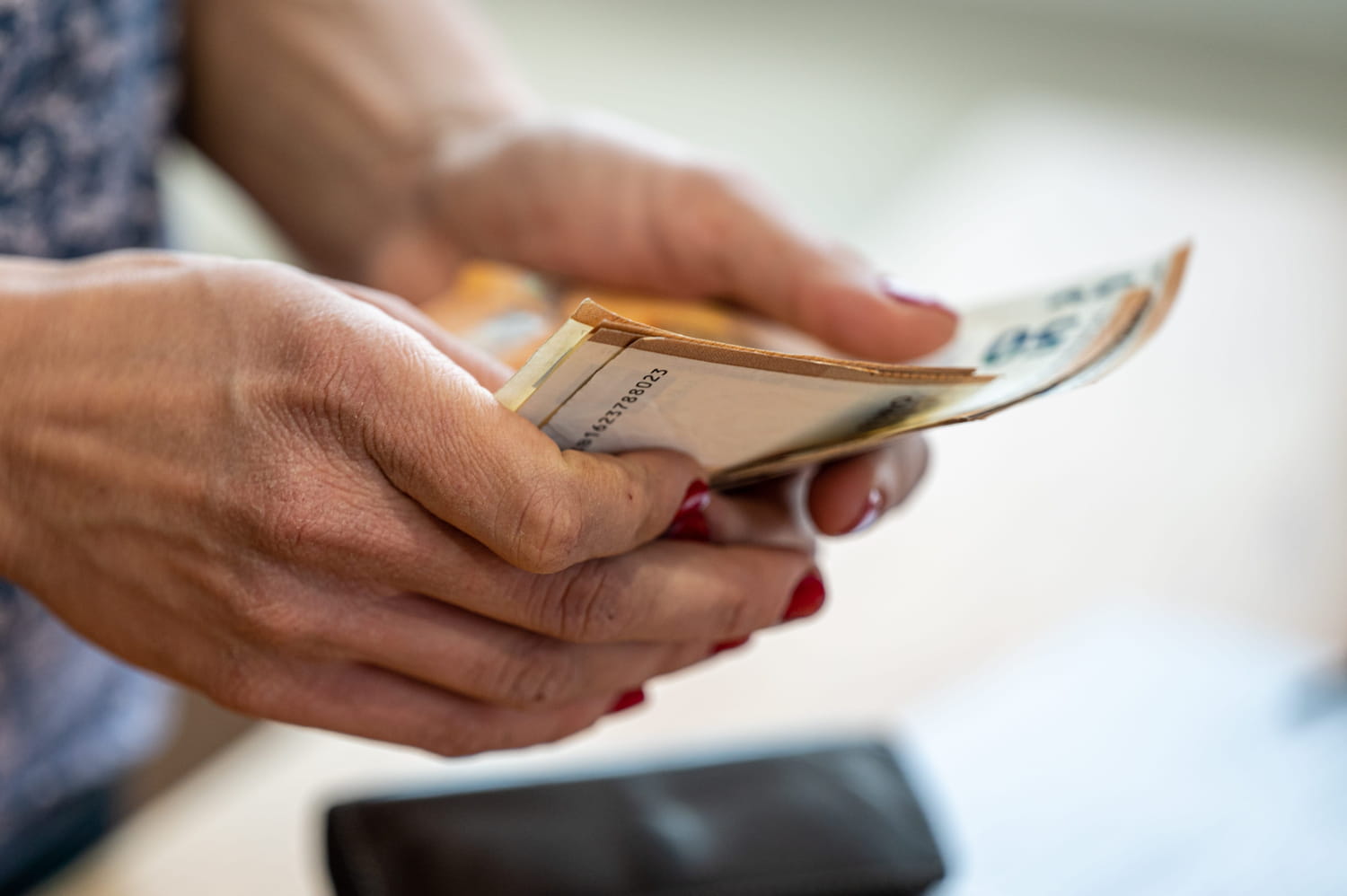
Between purchases that we consider essential and small everyday expenses, the budget can quickly get out of control. To avoid these cracks, experts recommend a very precise method.
Everyone would like to save money. In reality, it’s more complicated. Fixed expenses take up a lot of space in the budget and it only takes a few extra purchases to see your bank account plummet. However, financial specialists repeat it: it is not always necessary to review everything from A to Z.
The hardest part isn’t necessarily making more money. It’s often about resisting certain urges at the right time. An offer limited in time, a reduction that is difficult to pass up, an object that we are convinced will be profitable… At the time, the decision seems logical. A few days later, we realized that this purchase could very well wait. It is precisely this observation that pushes experts to look for solutions to spend less.
No need to be a whiz at Excel tables or spend your evenings doing your accounts. The idea is rather to establish a reflex encouraging people to take a step back before taking out the bank card. Tim Grimsditch, managing director of financial advice platform Unbiased, describes this method as “simple but effective”, in the columns of Metro magazine. “It’s a way to develop greater financial discipline and reduce the risk of overspending”he explains. According to him, this also allows you to better build your savings over time and avoid the end of the month where every euro counts.
The rule is to not make any non-essential purchases during the 48 hours following payment of salary. Essential expenses, such as bills, groceries or a full tank of gas if you need it for work, obviously remain authorized. For everything else, you just have to wait two days. It is this delay that allows you to reduce the desire to buy and see more clearly if you really need it.
And if, 48 hours later, the desire is still there, nothing is stopping you from purchasing. At least the decision will have been made consciously… and your bank account may well thank you at the end of the month. So the next time the urge to spend arises, think about it. Just a little bit of patience could benefit you.