





You thought you had mastered the art of brushing, but this reflex could well tarnish your smile. According to this expert, this habit that we all have over the sink makes our brushing much less effective.
Having a dazzling smile has become a true obsession for many. Between the advertisements promising instantly whiter teeth and the advice that abounds on social networks, it becomes difficult to distinguish good practices from preconceived ideas.
However, dentists agree on one essential point: the whiteness of teeth does not depend only on the products used, but above all on daily habits. And among them, brushing your teeth remains key. But be careful, brushing your teeth well doesn’t just mean doing it regularly. The way you use your toothbrush, the time you spend on it, the pressure exerted or even the choice of toothpaste play a crucial role. Poor technique can not only limit the effectiveness of cleaning, but also weaken the enamel in the long term.
Some errors are particularly widespread. For example, many believe that vigorous brushing makes teeth cleaner. In fact, it can cause the opposite effect: gum irritation, premature enamel wear and increased sensitivity. Still others neglect the recommended two minutes or forget certain hard-to-reach areas. There are also actions that seem harmless, but which can considerably reduce the effectiveness of brushing. These little habits, ingrained since childhood, often go unnoticed and yet, they make all the difference. This is precisely what Jérémie, dental surgeon, alias @Dr.Never on Instagram. The expert warns against a very common habit that everyone does and which could well compromise the effects of toothpaste.
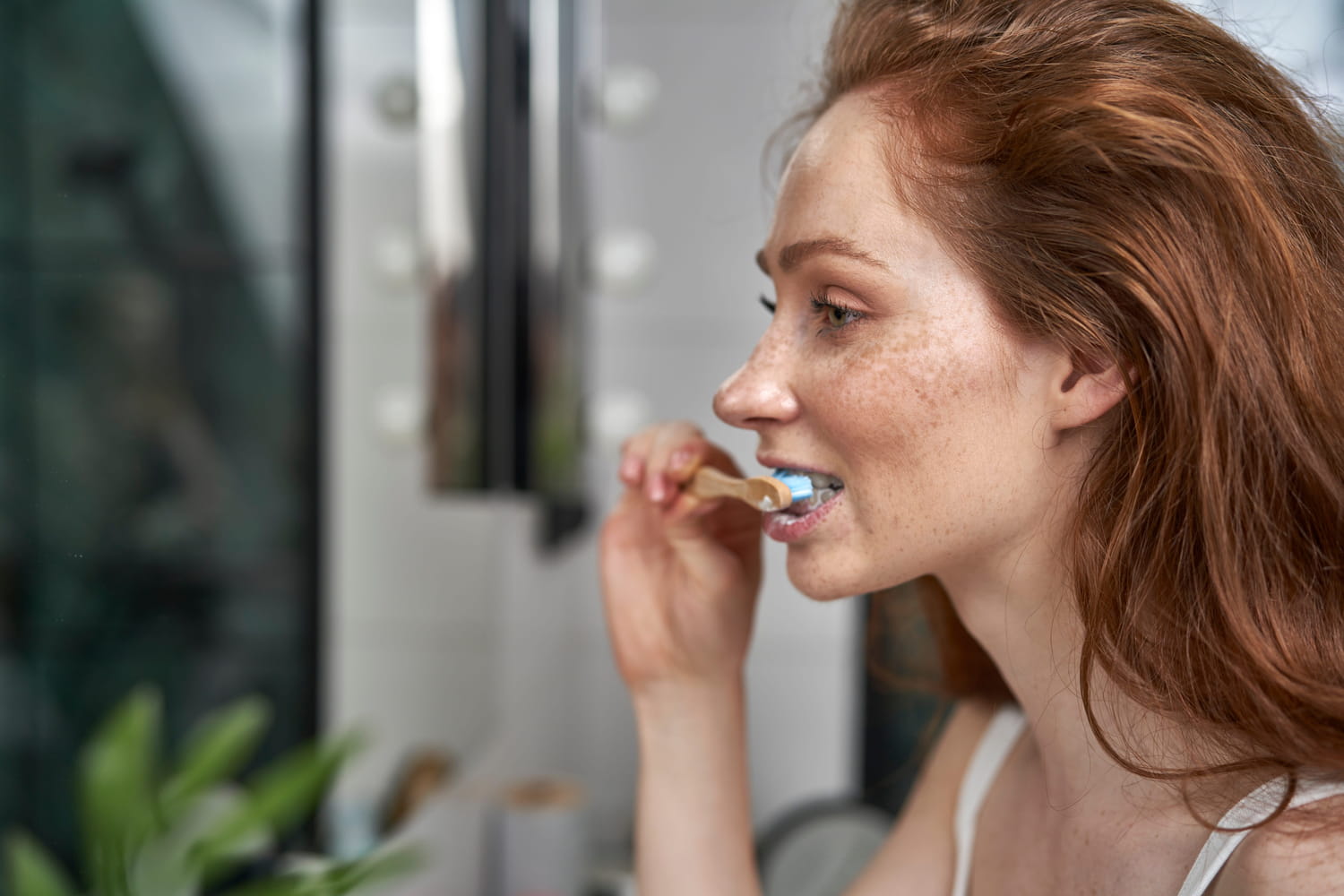
In fact, he recommends absolutely avoiding wetting your toothbrush before putting the toothpaste on it. This may seem counterintuitive, or even unpleasant for those who like the feeling of abundant lather, but brushing is much more effective with a dry brush. By doing this, your toothpaste remains concentrated, retaining its original texture, allowing the whitening agents to work at full strength. In addition, the bristles maintain their firmness, they act as a real scrub for the enamel, removing surface residues in a much more mechanical and precise way. And finally, less foam means more work.
Without the excess water, you don’t create that “cloud” of foam that gives you the illusion that your teeth are clean after 30 seconds. You are therefore forced to brush more conscientiously. A simple gesture to correct, but which could well be a game-changer for finding a brighter smile.