



In the event of divorce, parents seek above all to preserve the children. Vanessa Seve, former lawyer turned co-parenting coach, reveals to us that the key lies in another approach, to better guide them through this transition period.
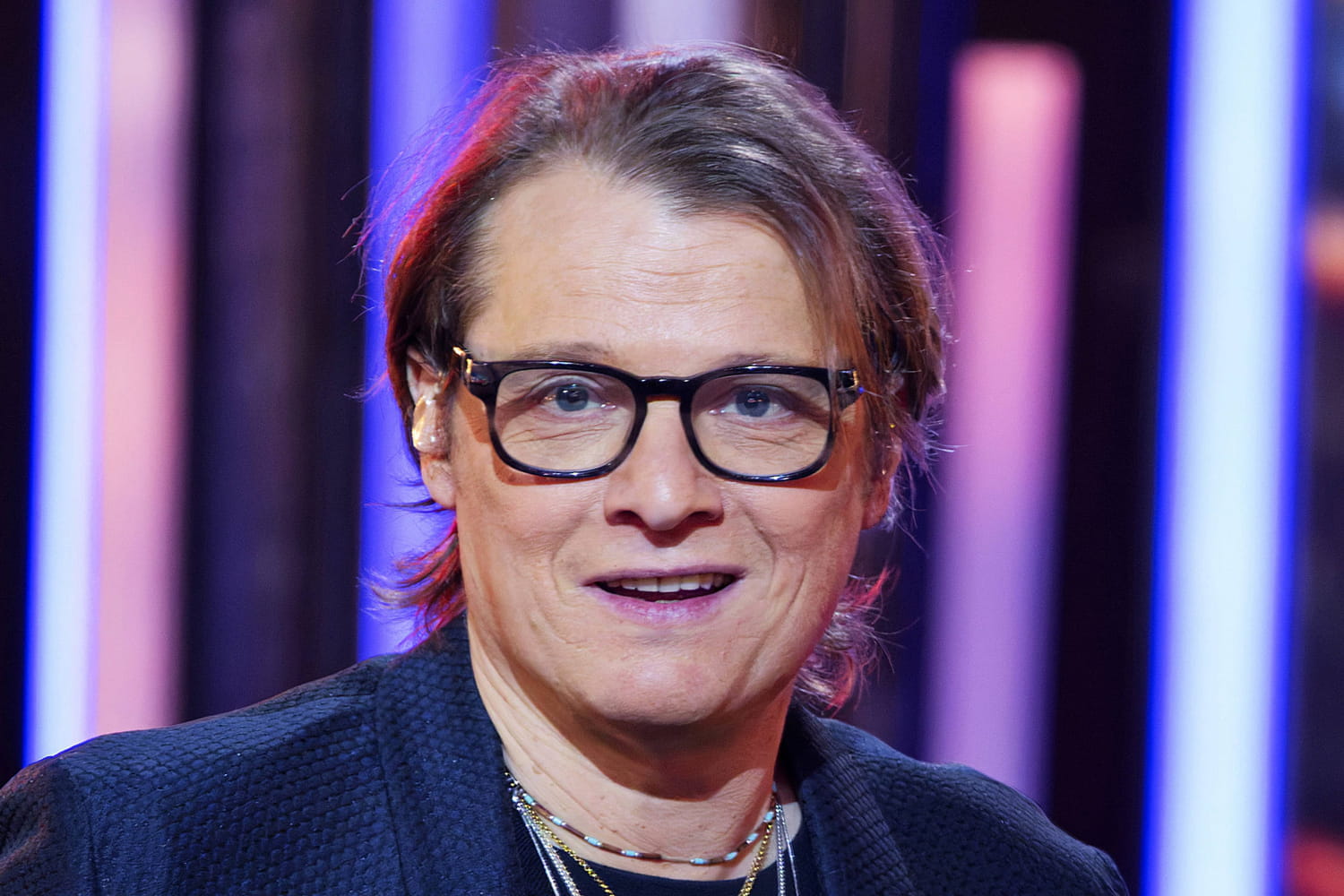
A separation is, in essence, a period of upheaval, where all reference points collapse. Faced with this earthquake, many parents are trying to put on a good face in front of their children, to protect them, and are focusing on the logistics of setting up this new life as a solo parent. Finding a new apartment, managing daily life, work… “We have to accept that this is a chaotic phase, but I also see a lot of injunctions linked to this period of divorce: “you have to separate intelligently”, “get along well with the other parent“, but in reality, it’s much more complex than that“, explains Vanessa Seve, former family lawyer, now co-parenting coach.
In addition, children are “real sponges”: they feel everything and capture their parents’ slightest emotions. So, pretending only increases their anxiety. To help them get through this crisis, it is essential to re-establish transparent communication, adapted to their age and to explain things to them simply, at each stage. According to the specialist, parents all tend to make the same mistake by wanting to preserve their children at all costs.
“The main mistake of parents who separate is not refocusing on themselves and forgetting themselves,” explains Vanessa Seve, who herself went through this ordeal as a mother. “I completely forgot myself, I focused on the organization, on my son, but that does not solve the real problem of mourning family life.” she tells us. The first mistake is therefore to experience things alone. The expert advises instead to verbalize in simple words: “You see I’m a little sad but that’s normal, it’s going to be okay… “, in order to de-dramatize the situation and “to equip the child“.
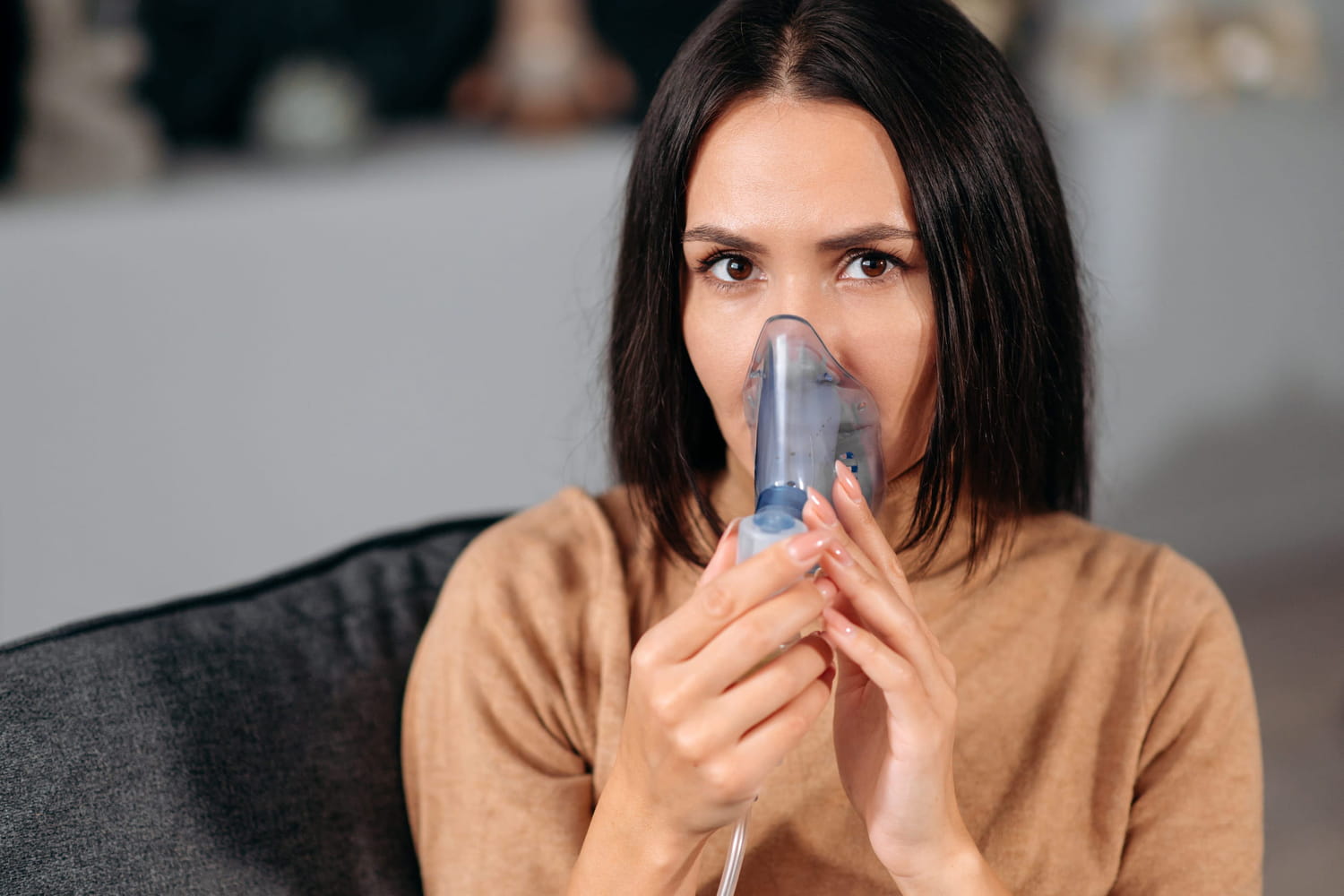
To convey the urgency of taking care of yourself, Vanessa Seve uses a well-known but essential aeronautical metaphor: the theory of “mask to help your child on the plane“. Indeed, in the event of depressurization in a cabin, the safety instructions are strict: you must put on your own oxygen mask before trying to adjust your child’s. If you faint from lack of air, you will be of no help to him. In the context of a divorce, the principle is exactly the same: “How can we remain a stable parent when things are chaotic for ourselves? (…) My responsibility will start with me“, insists the coach. If the parent does not take the time to breathe and heal, their exhaustion and distress will inevitably end up spilling over onto the child.
Regaining oxygen requires concrete and progressive actions to empty your mental and emotional bag. She invites parents to accept outside help and to allow themselves real moments for themselves, even short ones: “ask our parents to take the children to get some fresh air, go for an hour’s walk, sit at a café terrace, relax and recharge their batteries. Make a decision for yourself, for your well-being, and then you realize the benefits: our decision-making will be more fluid“, she recommends.
On the organizational side, Vanessa Seve suggests compartmentalizing the separation projects so as not to be overwhelmed: “Once the accommodation is managed, we can then take care of the rest, the administration and the divorce. We can’t do everything at once, there are lots of steps to climb.”. To unburden yourself on a daily basis, she recommends two tools: a diary to “unburden emotionally” and a goals sheet to plan logistics.
Finally, the expert reminds us that we are constantly juggling four roles (parent, couple, professional, and individual), and that it is impossible to carry them all out 100%. Separation forces us to rebalance the scales: by taking care of the woman (or man) that we are, we once again become a more serene, more solid and fully available parent. Time does its work, Vanessa Seve estimating at least “a year before truly recovering from a divorce“(depending on the cases), towards a co-parenting that is finally more human and peaceful for the well-being of children and parents.