





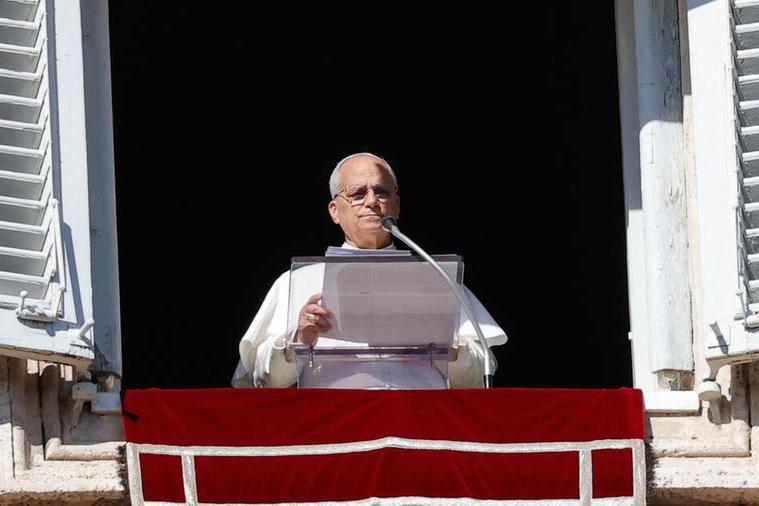
On Mother’s Day, the first Regina Caeli of May by Pope Leo XIV was transformed into a great meditation on the love of God that precedes everything, but also into a heartfelt appeal for the wounds of the world: from the violence in the Sahel to the friendship with the Coptic Church, up to the special thought addressed to mothers “who live in more difficult conditions”.
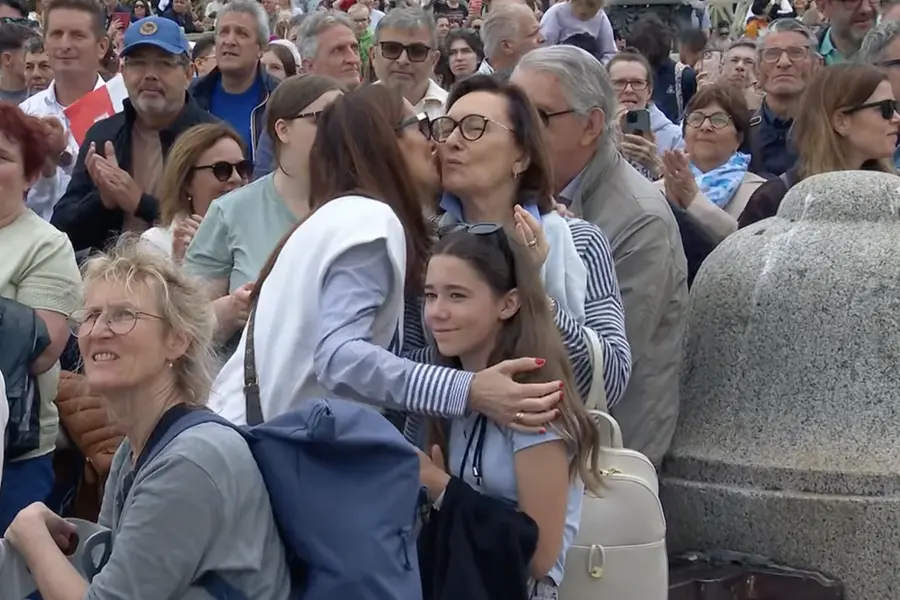
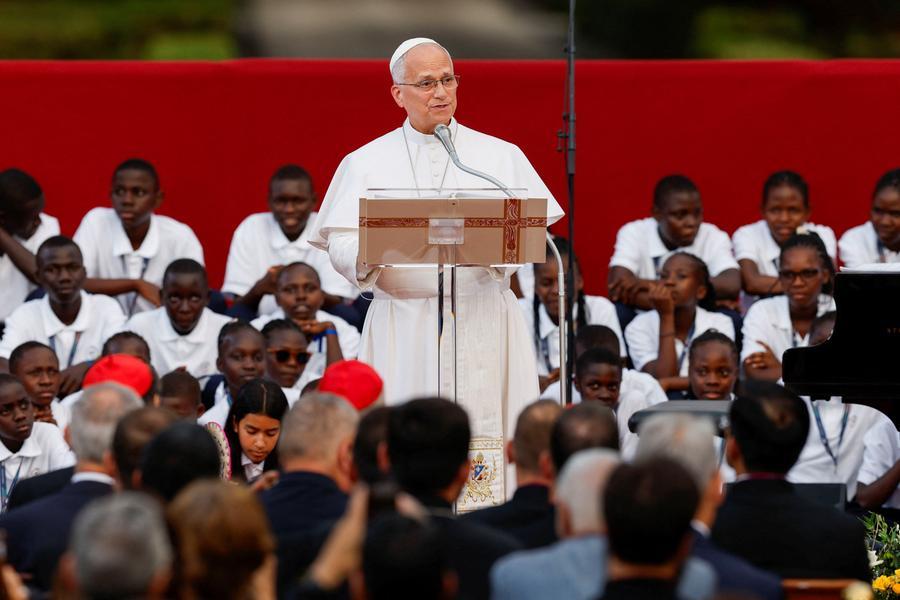
Appearing in front of the faithful and pilgrims gathered in St. Peter’s Square, the Pontiff commented on the Gospel of the Last Supper, focusing on the words of Jesus to the disciples: “If you love me, you will keep my commandments”. A passage which, the Pope explained, often risks being misunderstood.
“This statement frees us from a misunderstanding, that is, from the idea that we are loved if we observe the commandments,” said Leo XIV. «Our justice would then be a condition for the love of God. On the contrary, God’s love is a condition for our justice».
For the Pope, Christianity is therefore not born from a moral logic made up of rewards and punishments, but from a living relationship with God. “The words of Jesus are therefore an invitation to a relationship, not blackmail or a doubtful suspension.” And again: «It is the love of Jesus that gives birth to love in us. Christ himself is the criterion for giving birth to true love in us. The one who is faithful forever, pure and unconditional.”
The Pontiff insisted on the gratuitousness of evangelical love: «That which knows neither “but” nor “maybe”. That which is given without wanting to possess. The one who gives life without taking anything in return.”
At the heart of his meditation, Leo XIV explained that the ability to love arises from the experience of being loved by God. «Because God loves us first, we can love too. And when we truly love God, we truly love each other».
Hence also the reference to the commandments, which are not a burden imposed from above, but “an order of life that heals us from false loves”. The Pope defined them as “a spiritual style that is the path to salvation”.
Ample space was also dedicated to the action of the Holy Spirit, the “Paraclete“, that is, “the defense lawyer, the spirit of truth”. A gift which, the Pope warned, “the world cannot receive as long as it persists in evil, which oppresses the poor, excludes the weak, kills the innocent”.
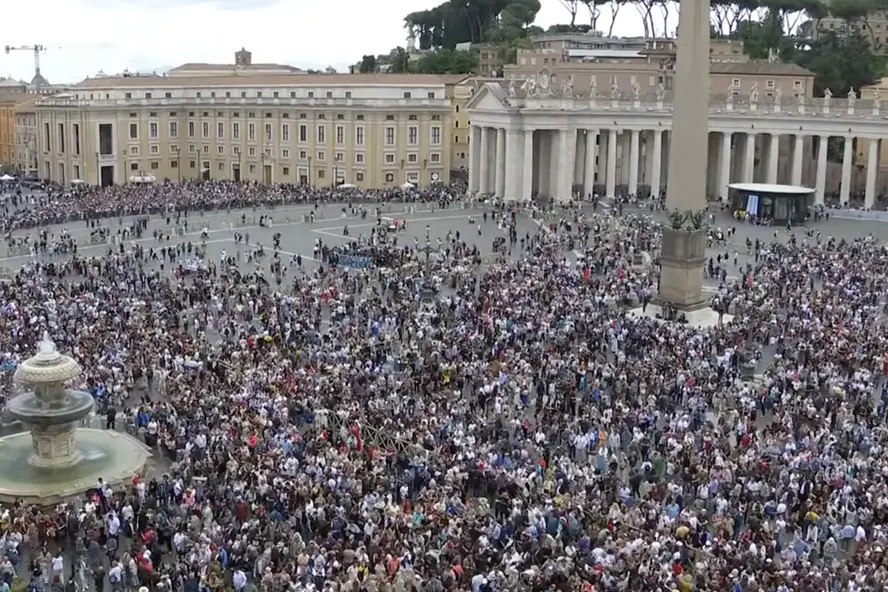
On the contrary, “whoever corresponds to the love that Jesus has for everyone finds in the Holy Spirit an ally who never fails”. And again: «Always and everywhere we can then bear witness to God, who is love».
The Pontiff then described the communion between God and man as the very heart of the Christian faith: «By offering us true and eternal love, Jesus shares with us his identity as a beloved son». Quoting the Gospel, he recalled: “I am in my Father, and you in me, and I in you”.
“The spirit of lies pits men against each other”
In the continuation of the catechesis, Leo XIV also spoke of the spiritual struggle that goes through the contemporary world. “This engaging communion of life belies the accuser, that is, the adversary of the Paraclete, the spirit contrary to our defender.”
Then the warning: «While the Holy Spirit is the force of truththis accuser is the father of lies, which wants to pit man against God and men against each other.” A logic which, he added, is “precisely the opposite of what Jesus does, saving us from evil and uniting us as a people of brothers and sisters in the Church”.
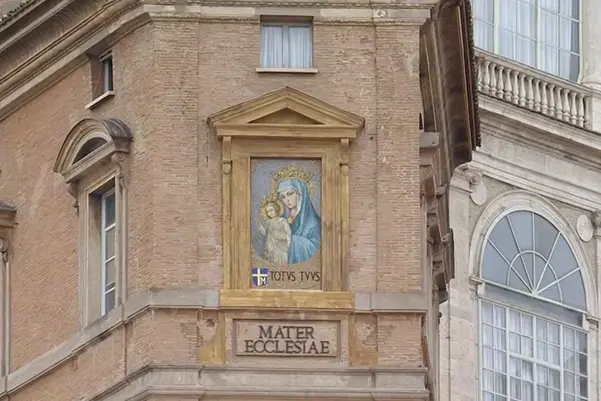
The Pope concluded the spiritual reflection by entrusting himself to the Virgin Mary: «Dear ones, full of gratitude for this gift, let us entrust ourselves to the intercession of the Virgin Mary, Mother of Divine Love».
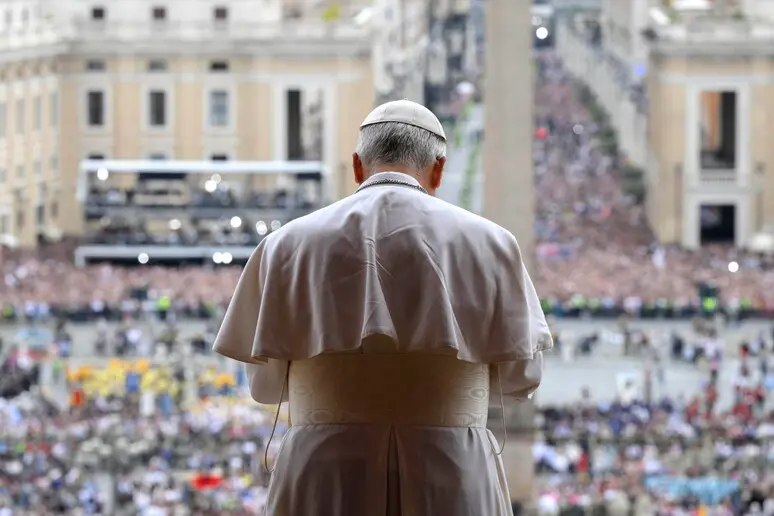
The appeal for the Sahel: “Cease all forms of violence”
After the Regina Caeli prayer and the final blessing, the Pontiff turned his thoughts to international crises, focusing in particular on Africa.
«I was concerned about the news about theincrease in violence in the Sahel region, particularly in Chad and Mali affected by recent terrorist attacks,” he said.
Leo XIV assured «my prayers for the victims and my closeness to those who suffer», then adding a strong hope: «I hope that all forms of violence will cease and I encourage every effort for peace and development in that beloved land».
Words that arrive while the Sahel area continues to be affected by political instability, jihadist terrorism and conflicts that especially affect civilian populations.
The embrace of the Copts: “The path of friendship leads to unity”
The Pontiff then recalled that May 10th is the Day of Coptic-Catholic Friendship. «I address a fraternal greeting to His Holiness Pope Tavadros II», said the Pontiff.
Leo XIV assured «my prayer to all the beloved Coptic Church“, expressing the desire that “our journey of friendship leads us to perfect unity in Christ who called us friends”.
A passage that confirms the new Pontiff’s desire to continue the ecumenical dialogue with the Eastern Churches, in the wake of the work started by his predecessors.
The greeting to the pilgrims and the message in Spanish
During the final greetings, the Pope welcomed “Romans and pilgrims from different countries”, greeting in particular “the group Guards of Honor at the Sacred Heart of Jesus from various cities in Italy” and “the volunteers for evangelization linked to the Radio Maria family”.
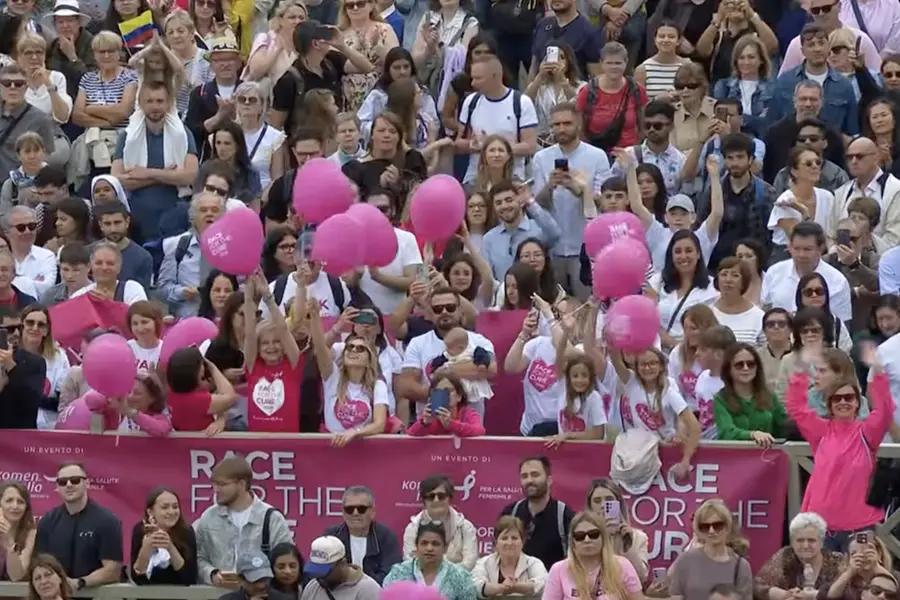
A thought was also addressed to the «Come in Italia» association, committed to the prevention of breast cancer.
Then the brief passage in Spanish, in which Leo XIV wanted to thank «the welcome that characterizes the pueblo of the Canary Islands» in view of the stage of the Hondius cruise with sick and fragile people linked to the “hantavirus” experience. “I am happy to be able to meet with you in the next month on my visit to the islands,” he said.
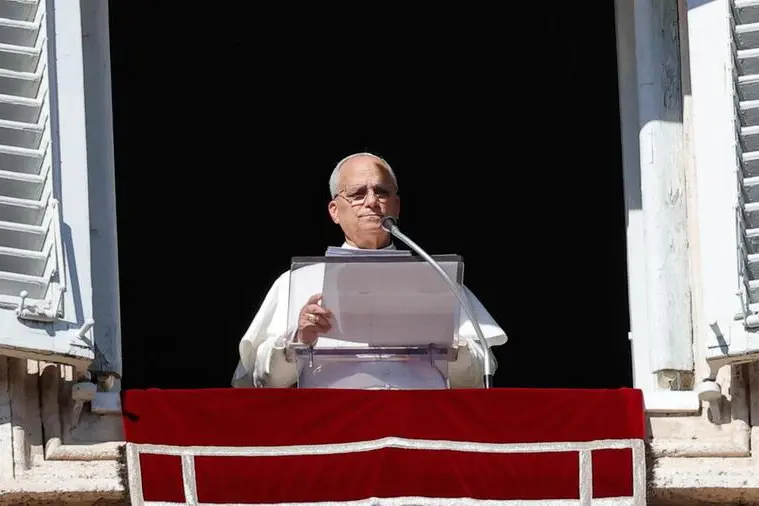
“A special thought to all mothers”
But the most intense and moving moment came at the end, when the Pope turned his thoughts to Mother’s Day.
«A special thought goes out to all mothers today!» he exclaimed.
Then the most touching prayer of the entire Regina Caeli: «Through the intercession of Mary, the Mother of Jesus and our mother, we pray with affection and gratitude for every mother, especially for those who live in more difficult conditions».
Finally, the final thanks: «Thank you, may God bless you! And I wish everyone a good Sunday.”