






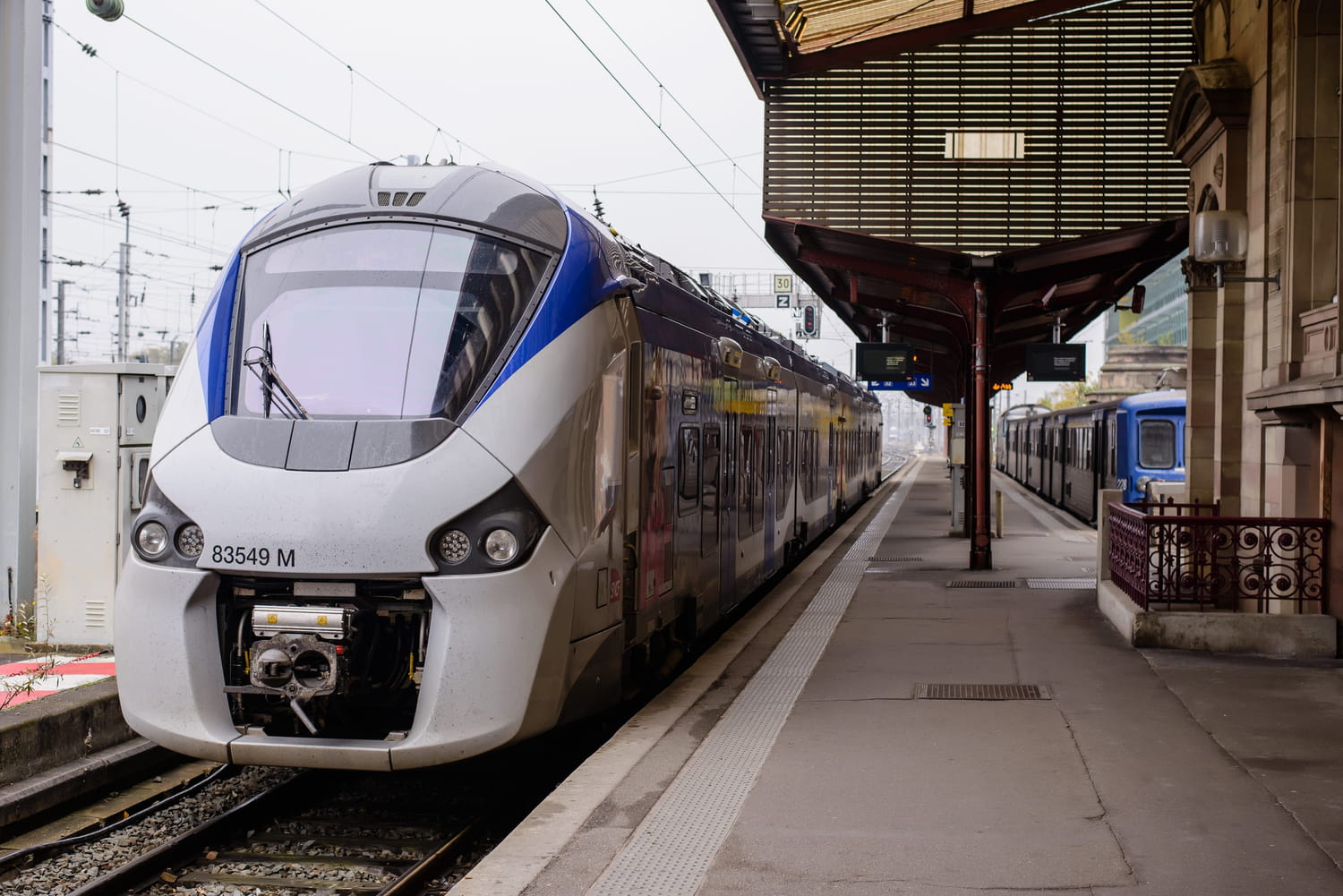
Prices sometimes more than triple: a Paris-Marseille can cost 20 euros as well as more than 120 euros, depending on the time of booking.
Booking a train ticket sometimes requires a real sense of timing. Many travelers open the SNCF Connect app with a clear idea of their budget, then end up spending several minutes comparing timetables and changing stations in order to get the best price. Indeed, TGV and Ouigo prices fluctuate constantly, so there is a specific time to avoid when making your purchases and another to favor, as 60 Million Consumers explains.
For more than thirty years, SNCF has used a “dynamic pricing” system. The principle is the same as in air travel: prices change according to demand and train occupancy. When bookings accelerate, prices increase. When a train attracts fewer passengers, prices remain more affordable. On its site, the SNCF itself explains that its prices “varies depending on the filling rate” trains. The company explains that this method allows trains to be filled more efficiently.
In fact, this logic makes prices much less readable for customers. According to information published by SNCF and relayed by 60 million consumers, a Paris-Quimper in second class can start at around 20.50 euros before rising to 120 euros. Same observation on a Paris-Marseille: Ouigo tickets start at 19 euros, but can reach 109 euros. On TGV InOui, the same journey sometimes exceeds 140 euros. Ouigo therefore no longer really escapes the general rise in prices. The SNCF’s low-cost brand continues to attract with its low-cost tickets at the launch of sales, but these seats go very quickly on the most popular lines.
According to figures from the Transport Regulatory Authority relayed by the National Federation of Transport User Associations (Fnaut), the average price of a Ouigo ticket increased from 21 euros to 34.70 euros between 2016 and 2024. And above all, the price displayed at the start does not always correspond to the final price paid by the traveler. On the official Ouigo website, the fare conditions specify that additional baggage, choice of seat or certain ticket modifications are charged extra. Furthermore, the cheapest tickets are neither refundable nor cancellable. As a result, a trip advertised at 19 euros can end up costing much more after adding options.
However, there are periods when prices almost systematically skyrocket, either just before school holidays, during major departures, on very busy Fridays and Sundays, or a few days before the trip. At this time, the trains are almost full and the last available tickets become much more expensive. On certain lines, the price can then be multiplied by two or even three.
Faced with this situation, travelers are looking for solutions to limit the bill. SNCF Connect, for example, offers a “Low price alert” function which allows you to be notified when a ticket becomes cheaper on a given journey. Many travelers also try to book as soon as sales open, several months before departure, because the first tickets put online are generally the cheapest. Mid-week, early morning or mid-day departures also have lower prices than popular trains. Finally, other travelers favor TER or Intercités, which are generally less expensive thanks to financial support from the regions.