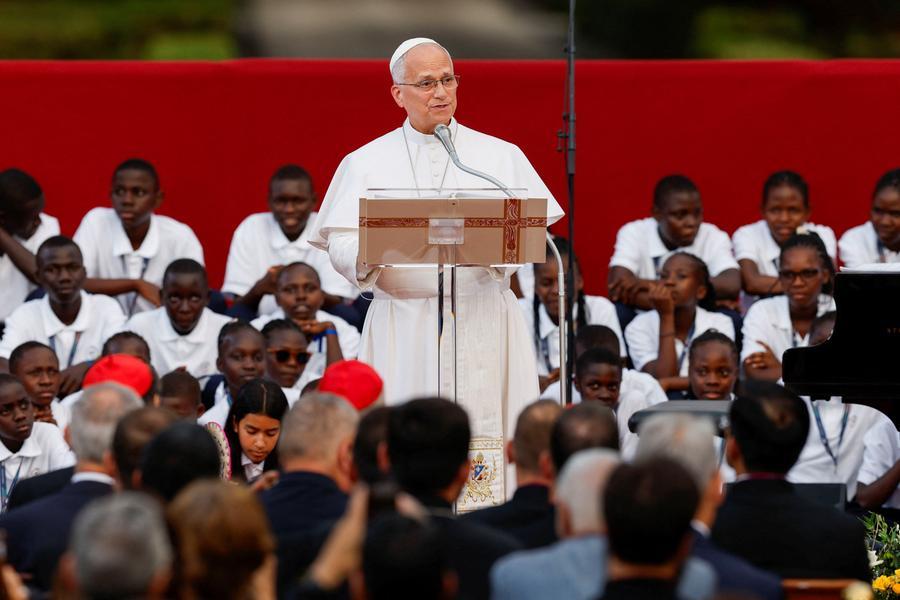





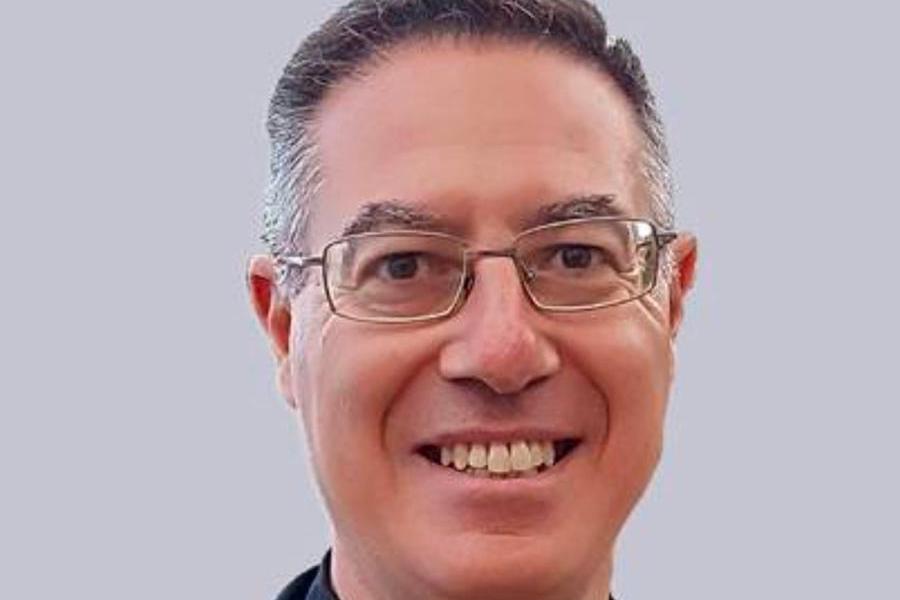
It’s Monsignor Cesare Di Pietrowho arrives from Messina, the new bishop of the diocese of Locri-Gerace. This is the Pope’s choice, made known at 12pm on Saturday, who entrusted the pastoral leadership of the Calabrian diocese to a figure already deeply rooted in the pastoral, academic and administrative experience of the Sicilian Church. Mons. Di Pietro succeeds Mons. Francesco Oliva, who has led the Calabrian diocese since 5 May 2014 and who turned 75 last January, thus reaching the age limit established by the Code of Canon Law for the presentation of the resignation from the pastoral office
Born in Messina on 12 March 1964, Di Pietro has a complex and significant educational path behind him. After graduating in Law from the University of Messina, he embarked on an ecclesiastical path, dedicating himself to theological and historical studies, until obtaining a doctorate in Church History from the Pontifical Gregorian University in Rome.
His is a profile that combines legal skills and historical-ecclesiastical sensitivity, elements that have profoundly marked his pastoral service.
Ordination and episcopal service in Messina
Di Pietro was ordained a priest on 25 October 1997. In May 2018, Pope Francis appointed him auxiliary bishop of the Archdiocese of Messina-Lipari-Santa Lucia del Mela.
The episcopal ordination was celebrated on 2 July 2018. Since then, Monsignor Di Pietro has taken on various pastoral, training and administrative roles, becoming one of the closest collaborators of the Archbishop of Messina.
Among the responsibilities currently held there is also that of Vicar General, in addition to his academic activity as a teacher of Church History, an area in which he continues to train new generations of committed priests and lay people.
A profile of balance and dialogue
The possible destination to the diocese of Locri-Gerace is interpreted as the choice of a pastor capable of combining organizational rigor and pastoral attention. His profile is in fact described as balanced, prepared and particularly sensitive to the issues of training, closeness to communities and the presence of the Church in the social fabric.
In complex territories full of social challenges such as those of Calabria, the figure of a bishop with experience of ecclesial governance and knowledge of pastoral dynamics can represent a decisive element for the path of local communities.