





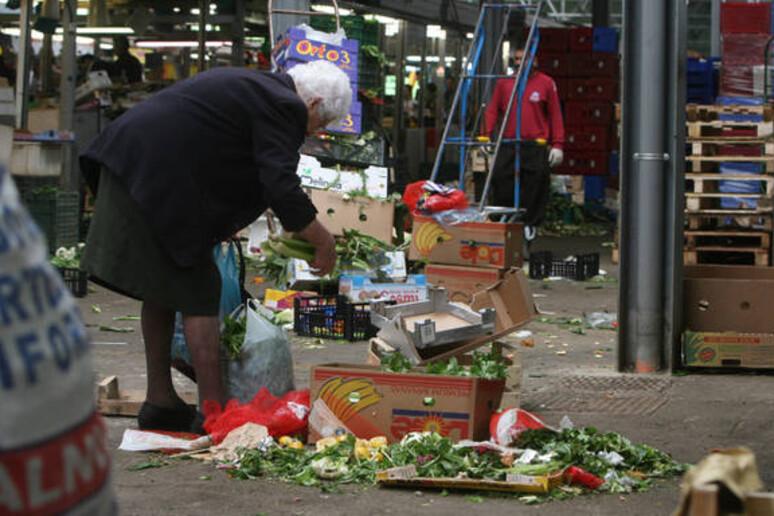
The word that resonates from the 2026 Report of Caritas Italiana is no longer “emergency”. AND “permacrisis“. Not the exception, but the rule. Not the temporary tear in the social fabric, but the fabric itself that is unraveling. In ten years, from 2015 to 2025, the number of people accompanied by the Caritas network increased by 48 percent. And 28.1 percent of them have been followed for at least five years. They don’t arrive, they ask, and they stay.
When you read this issue you understand something that Italian politics seems to have forgotten: poverty is no longer an emergency issue to be managed with bonuses, temporary measures and press releases. It has become the ordinary landscape of millions of lives. And like any ordinary landscape, it risks addiction. The newspaper that no longer shocks, because we have learned to breathe it.
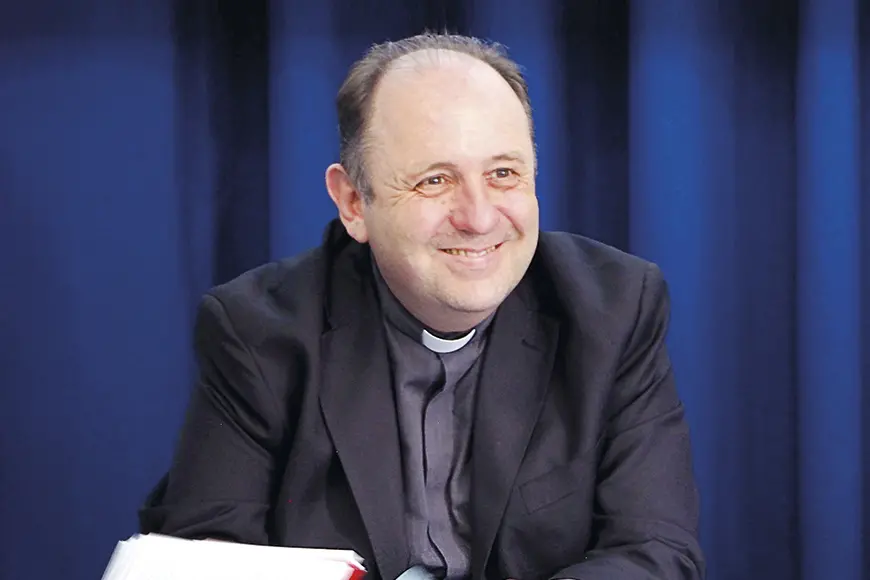
Don Marco Pagniello, director of Caritas Italianasays it with the frank frankness of someone who doesn’t need choreography: “We are still tied to a series of spot interventions. There is no structural vision of fighting poverty. We continue to be one of the few countries in Europe not to have a real national measure to combat poverty“. And while he talks, while he talks about young women forced to choose between the utilities and the meal for their child, about elderly people who give up care because inflation has burned up their small pensions, about families that crumble not for lack of love but for lack of material dignity, one senses a politically inconvenient truth: the problem is not Caritas, which with its 3,520 centers continues to perform daily miracles. The problem is that Caritas, the Church, the third sector have become the true public welfare of this country.

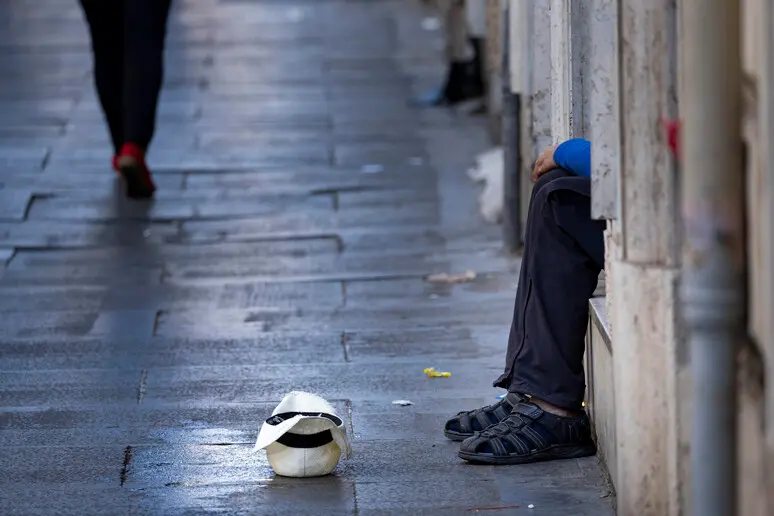
The scandal is this: only 8 percent of those who knock on Caritas’ doors are simultaneously connected to public services. The remaining 92 percent move in a sort of institutional shadow cone, where the State is invisible and religious charity is the only remaining social safety net. It’s not a compliment. It’s an accusation.
But the data in the Report says even more disturbing things. 78 percent of those who turn to Caritas do so due to lack of income. 24 percent have a job, a real job, not an extraordinary one, and yet they cannot feed their children or pay the rent. These are the “working poor”, and in ten years their incidence has almost doubled. It means something simple and terrible: work in Italy no longer protects you from poverty. It is no longer the engine of social emancipation that the Constitution promised. It broke.


When Don Pagniello tells stories, he starts from here. From a young woman who earns 500 euros a month for summer work, with a child, without full recognition of the contract, unable to pay utilities. “So what do I mean, continues the director of Caritas, the famous bonus given for a child, I don’t know how much it really encourages concrete choices. A young woman in these conditions doesn’t say ‘I’m going to have more children’. She says ‘I can’t do it’. So this is the life of the country”.
There is another side to this poverty, even more torn. 32.9 percent of those accompanied by Caritas live alone. People who have gone through bereavements, separations, job losses and have not found a network to support them. Among the over 65s, and here the figure is even more dramatic, the number has grown by 191 percent in ten years. Let’s think about this: a small social pension, the inflation that devours all savings, the children who have left to look for work elsewhere because the country offers no future. Loneliness is not a cultural phenomenon. It is the direct result of absent public policies.

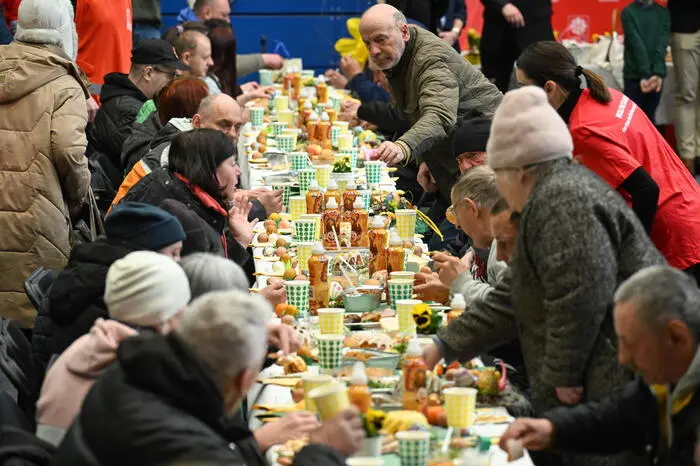
52 percent of the families accompanied by Caritas have minor children. There are 147 thousand nuclei. Children and young people who inherit not only economic poverty but educational poverty, the one that closes the doors of the future. Precisely in a country devastated by an unprecedented demographic winter, where the few children who are born are in fact condemned to reproduce the social exclusion of their parents. If the birth rate is a strategic priority for the Government, then the questions that emerge from the Report are embarrassing: why do families with children remain the most vulnerable? Why is there no real structural shift in their favor? Don Pagniello often returns to a concept. “The greatest misery in our country at the moment is this famous birth rate decline, the lack of structural service policies that accompany young families. Allow them to build their future with serenity.”
He says that the family system in Italy is in crisis because grandparents are no longer there, because people emigrate from small towns to cities, and when there are no structured public services, then young couples simply give up. “He doesn’t have it, I can’t do it,” they say. And the country is emptied of the future.
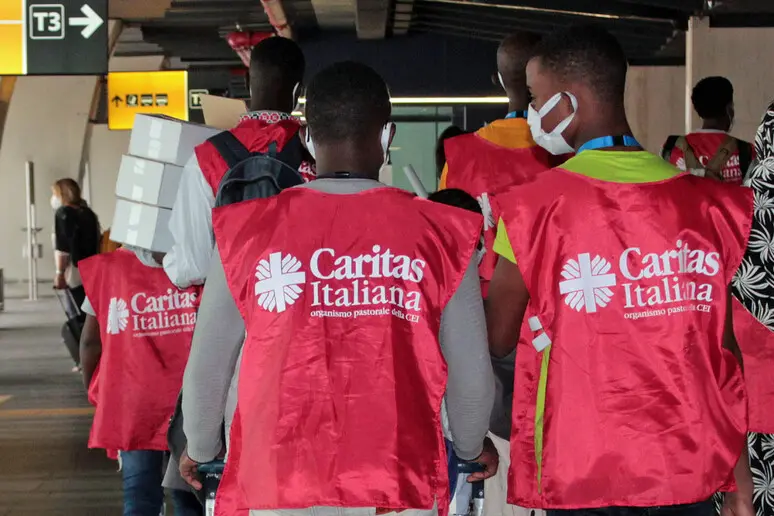
But what is the real appeal that emerges from these pages of the Report? Don Pagniello formulates it clearly: charity and justice must go together, they cannot be separated. “If we understand it as the possibility that we give people to be able to continue their journey independently, otherwise it becomes a charity that risks causing people to fall into welfare.” Here’s the thing: it’s not enough to give. We need to restore dignity. We need to create the conditions for a person to be able to stand on their own two feet.
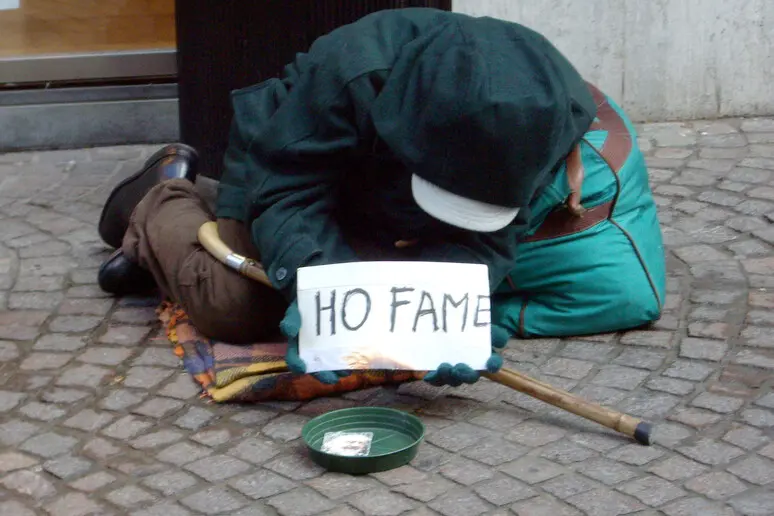
So what to do? Don Pagniello speaks of “general states”, of a “constituent” between the State, the political world, the business world and the third sector. So that everyone around the same table could discern the true priorities together. Minimum wage, first and foremost. A structural vision of fighting poverty, not sporadic bonuses. Serious housing policies. Birth policies that are not slogans. A cultural change that pushes the country out of the underground, from the temptation to do business, from the logic that divides.
“Starting with the poor”, he says, quoting Pope Francis. “If we start from the bottom, even those at the top will gain. If we start from the top it doesn’t mean that those at the end of the line will earn anything. Precisely for the stability of the country, for a question of social cohesion, we start from the bottom. We ensure a dignified life for all. And after that there will be development and greater earnings for those who put their talents to good use.”

There is hope in this prose, and it is not consolation. It is the reminder of a responsibility. Poverty is not an inevitability. It’s not even a lack of charity. It is the result of political choices. And political choices can be changed. If the will is there.