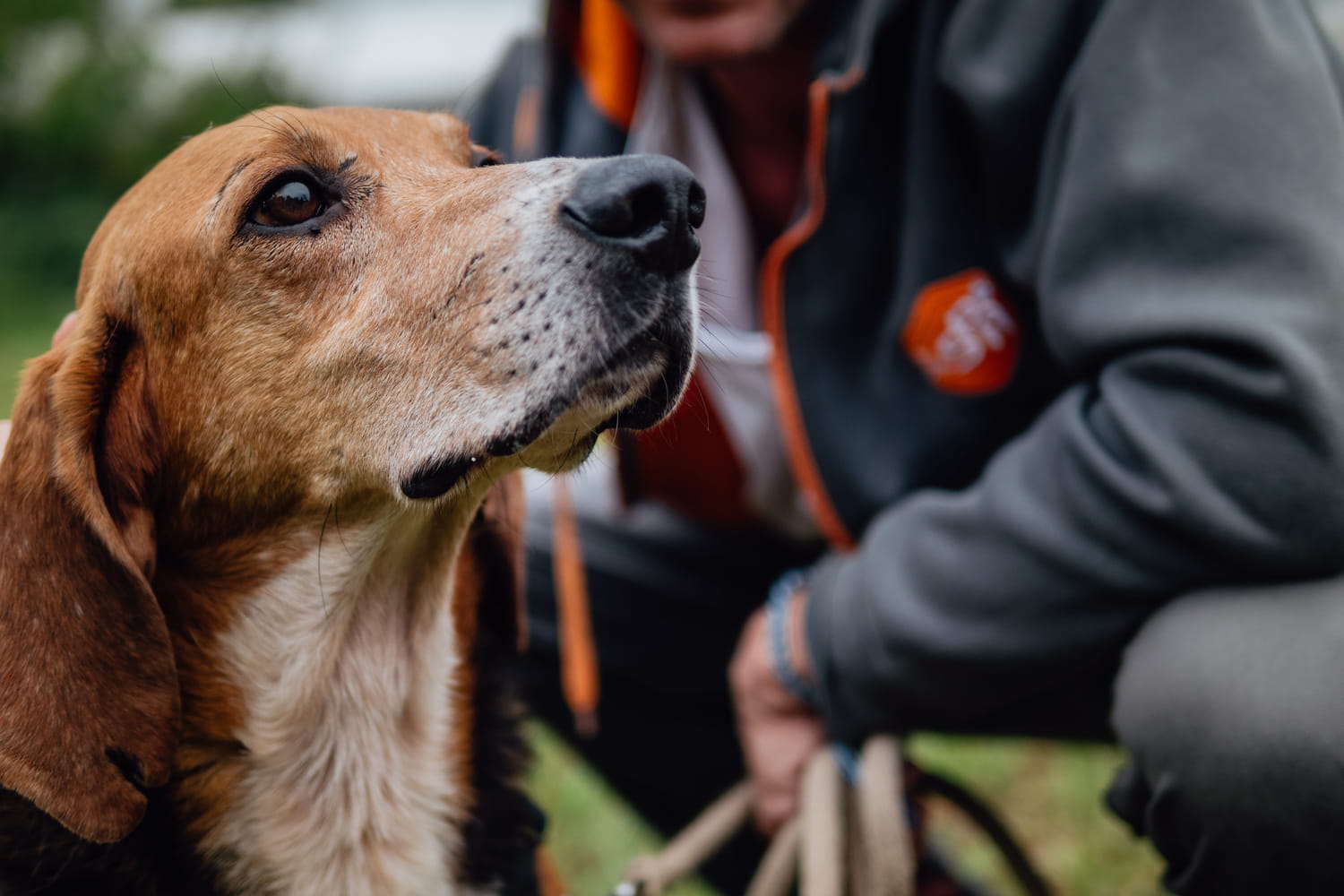
To prevent cases of animal abuse, the SPA would like to be able to access the criminal records of adopters. But in reality, it is almost impossible, as the president of the association, Jacques-Charles Fombonne, explains to us.
All dog or cat owners know it: adopting a pet means committing to 10 to 15 years, it means incurring costs, and above all it means giving it enough time and affection to make it happy. However, in France, abandonment and cases of abuse continue to regularly make the headlines. One might believe that the certificate of commitment and knowledge, which anyone who adopts an animal since 2022 must sign, could have changed the situation… but it is above all a prevention document. In reality, breeders and associations have very little recourse to ensure that a person is truly capable of caring for a cat or dog.
Today, the Society for the Protection of Animals is doing everything possible to “practice responsible adoption”as Jacques-Charles Fombonne explains to us. “We don’t give the animal away like merchants. We bring the whole family, the father, the mother, the children, etc. If there is a dog or a cat already in the home, we also bring it in to see how they will get along.”specifies the volunteer president of the SPA. In the end, adoption from a shelter is similar “almost a police interview on their living conditions, on their income”even jokes the former gendarme. “We sweep away all the constraints and all the desires, and we try to guide people. We often have people who come to get a Malinois, and who leave with a cat because it fits better with their daily life. I’m not exaggerating. And we reserve the right, if people don’t want to listen to us, not to give them the animal.” Fortunately, these situations do not happen “almost never”but if there is the slightest doubt about a person’s ability to properly care for said animal, prevention is better than cure.
And precisely, the SPA has no legal means of ensuring this. Abandonment and abuse being punishable by law, the simplest thing would obviously be to have access to the adopter’s criminal record. And this is what the president of the association would like. “We cannot know if someone has already been convicted of an act of this type. We would absolutely like to have access to criminal records, or at least to have access to criminal records specifically for offenses involving animals”confides Jacques-Charles Fombonne to us. “Everyone wants it, but no one wants to do it. We absolutely have no right to access criminal files because the GDPR poses a lot of difficulties.” Indeed, Article 10 of the General Data Protection Regulation stipulates that only certain entities have the right to consult an individual’s criminal record: authorities such as the police, justice or public administration, even certain companies which work with minors, as well as individuals regarding their own record.
But of course, asking adopters to present their criminal record themselves when signing the famous certificate of commitment and knowledge could again pose other problems. Between the protection of private data and the urgency of the animal cause, the fight against mistreatment is therefore still played out on a case-by-case basis and on intuition. The “flair” of associations or breeders remains, for the moment, the only weapon to avoid new tragedies.