





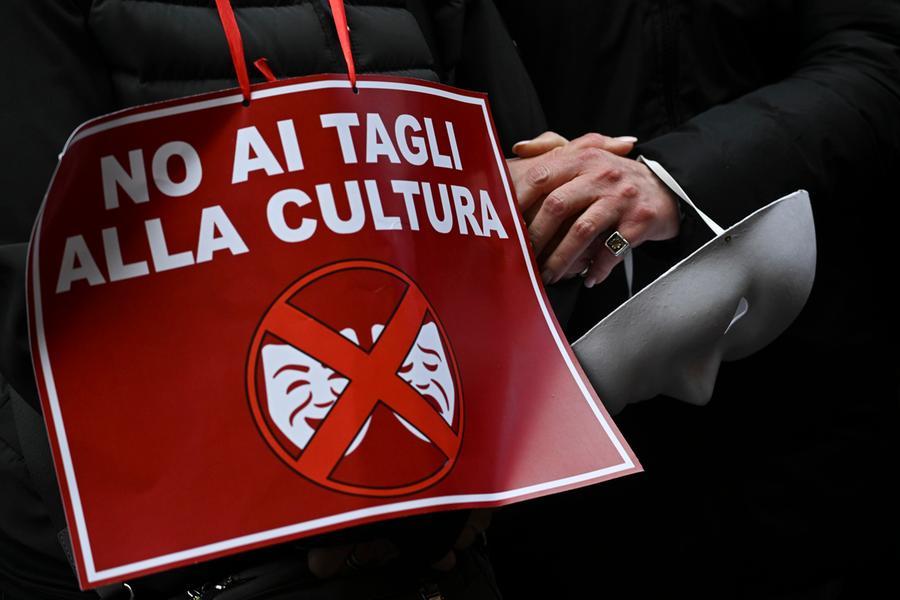
Books have increasingly higher costs, fortunately there are libraries, to guarantee accessibility to reading for everyone, even those who cannot afford to buy them. But be careful: what does the elderly pensioner do when he finds his library closed forever due to lack of staff, or opened in fits and starts and run by temporary workers in the cooperatives? It’s just a small example that concerns many citizens, to help us understand how the demands of cultural workers are not just a category matter. The idea is that of an accessible, democratic culture where workers are not exploited, but which can also be within everyone’s reach. This is what deserves our support the strike tomorrow Friday 12 June which sees the world of culture united, for the first time since the seventies to demand fairer wages, contracts with protections, investments that also translate into new hires: and tomorrow 12 June takes to the streets, . Born from a mobilization process started by the association Do you recognize me?the strike is also proclaimed by the unions FP CGIL, NIdiL CGIL, CUB, ADL COBAS, COBAS Lavoro Privato, CLAP and USI CT&S.

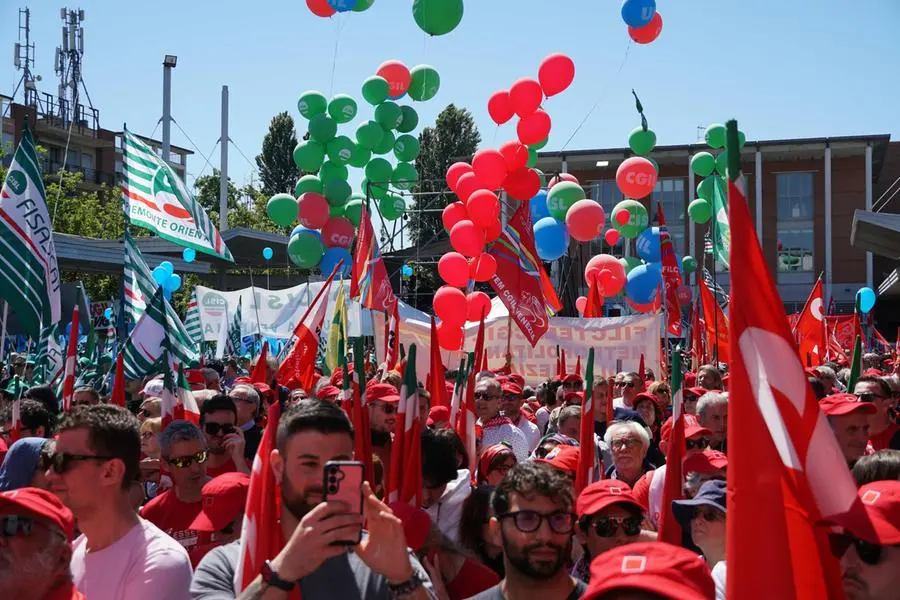
There will be demonstrations in the main cities: in Milan, Florence at the Uffizi from 9.30am, in Milan at the Pinacoteca di Brera from 10.00am, in Gernova in front of the Prefecture from 10.00am, in Venice at the Gallerie dell’Accademia from 4.00pm, in Turin in Piazza Garignano from 10.00am, in Bari at the Cittadella della Cultura from 10.00am, in Rome in Piazza del Planetario (National Roman Museum) from 10.00. And again in Brescia, Ravenna,. Padua, Cagliari, L’Aquila, Mantua…
Strade’s translators are on the front line

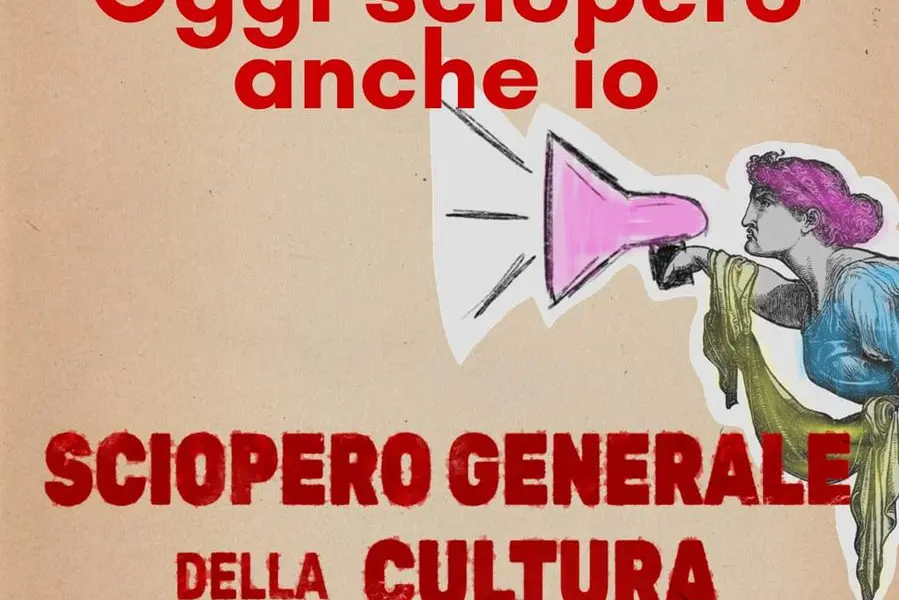
Among the groups that have joined the strike is the Strade editorial translators association. We spoke with their coordinator, Lia Bruna: «The initiative starts from workers in the cultural sector gathered in the association Do you recognize me?which has been dealing with precarious work in cultural heritage for about ten years, therefore from archeology to libraries, archives, museums, tourist guides, all the various forms of work for those who have undergone training, a training course in cultural heritage and which in some way pertains to the Ministry of Culture in a direct or indirect way”. They, like other workers such as librarians, are only minimally included in the collective agreement of Federculture, others are included in the generic Multiservice contract, which also includes cleaners, janitors, in short, a large cauldron where the long training of certain figures and the delicacy of their role are not recognised. «Public administrations have stopped hiring and have outsourced with tenders, ending up offering VAT contracts to workers who actually perform a public service», continues Lia Bruna. «Do you recognize me? he then made an appeal to all those associations active in the cultural sector including cinema, theatre, live entertainment, television and even publishing. And we like Roads we responded by calling an assembly also open to other associations such as Authors of Images and Icwa, the Italian Association of Children’s Writers. In the end, we are not interested in highlighting our symbol, but in bringing people to the streets or making them participate as they can. There was a wonderful reflection on what it means to go on strike today, how to network, how to get active. And we in the end, as Strade, we propose the so-called social strike method. An automatic response in your professional inbox that reads: “I’m not at work today because I’m joining the strike”». Among their requests are greater hiring and more funding for public bodies to support culture, extension of the collective agreement, full application of sector collective agreements, also for authorial tasks, such as translators, graphic designers, editors…