





The temperatures are rising and it is high time to turn down the heating, but be careful not to miss this detail at the risk of experiencing some inconvenience.
When temperatures rise after several months of winter, the reflex is almost automatic: we turn down the heating, sometimes we turn it off completely. We supported high bills, we monitored the degrees, we optimized each room. So as soon as the thermometer climbs a little, we cut it. The days become brighter, we open the windows more, we tell ourselves that the house will warm up on its own. The air seems softer, less aggressive than in the middle of winter. We have the impression of entering a more comfortable and less expensive period.
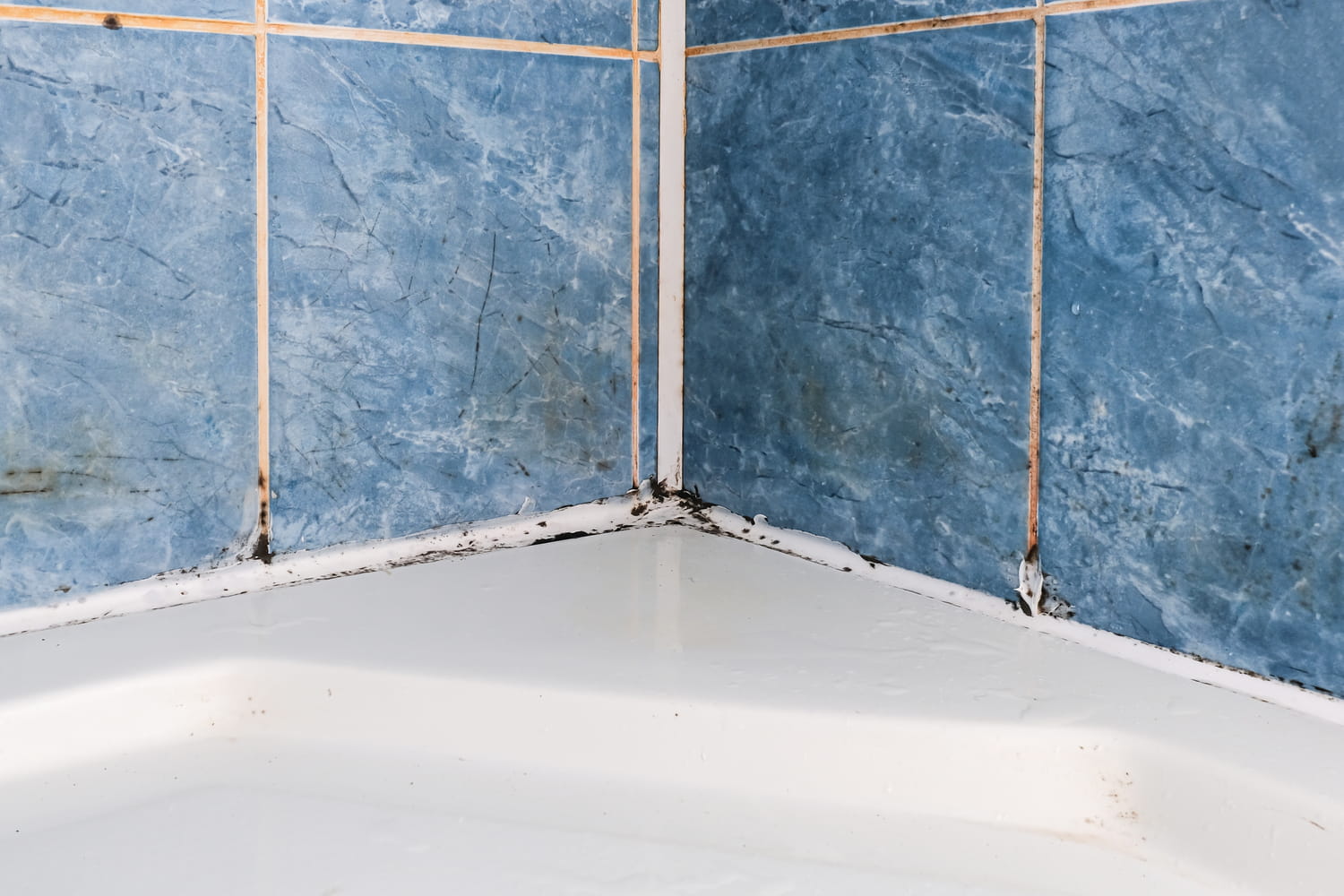
In reality, spring is an unstable and wet season. Temperature differences between day and night remain significant. The air becomes charged with water vapor. When the heating is turned off too quickly, walls and interior surfaces will cool. However, the hot and humid air circulating in the home comes into contact with these colder walls: condensation then forms gradually and silently.
This humidity is not always visible immediately. It is installed behind furniture, in poorly ventilated corners, in rooms facing north, in the bathroom or kitchen. Over time, the consequences become more visible: black stains, blistering paint, peeling wallpaper, laundry that struggles to dry. Dust mites and mold find a favorable environment there, which can accentuate respiratory problems in sensitive people.
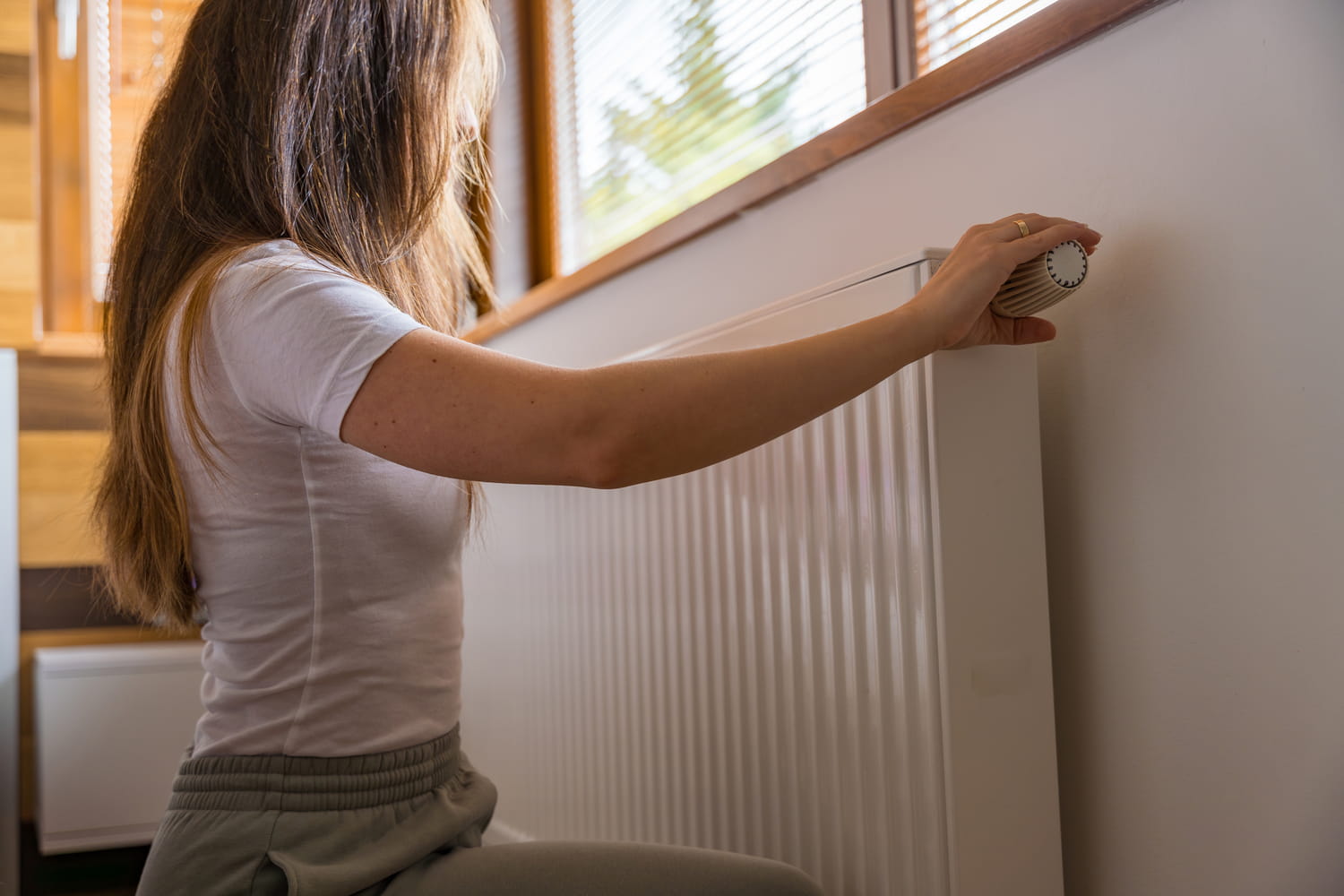
The solution is not to maintain a high temperature like in the middle of winter, but to avoid too sudden variations. Gradually reducing the heating allows you to maintain a minimum temperature of around 17°C in the living rooms. This stability limits thermal shock and slows down the formation of condensation.
Ventilating the home for around ten minutes daily is also essential, even when the outside air seems fresh. Good ventilation renews the air laden with humidity. To go further, using a hygrometer allows you to monitor the ambient humidity level, which should ideally be between 50 and 60%. If this rate increases, it may be necessary to slightly adjust the thermostat or improve air circulation.
Turning down the heating in the spring is therefore a relevant gesture, provided you do it with moderation. A gradual transition protects both the comfort of the home, the health of its occupants and, in the long term, the household budget.