




Restless night, repeated awakenings, feeling of never really going to sleep… Sleeping somewhere other than home can turn into a nightmare. Psychiatrist Isabelle Poirot, president of the Sleep and Vigilance Institute, explains to us why our brain plays tricks on us and how to fix it.
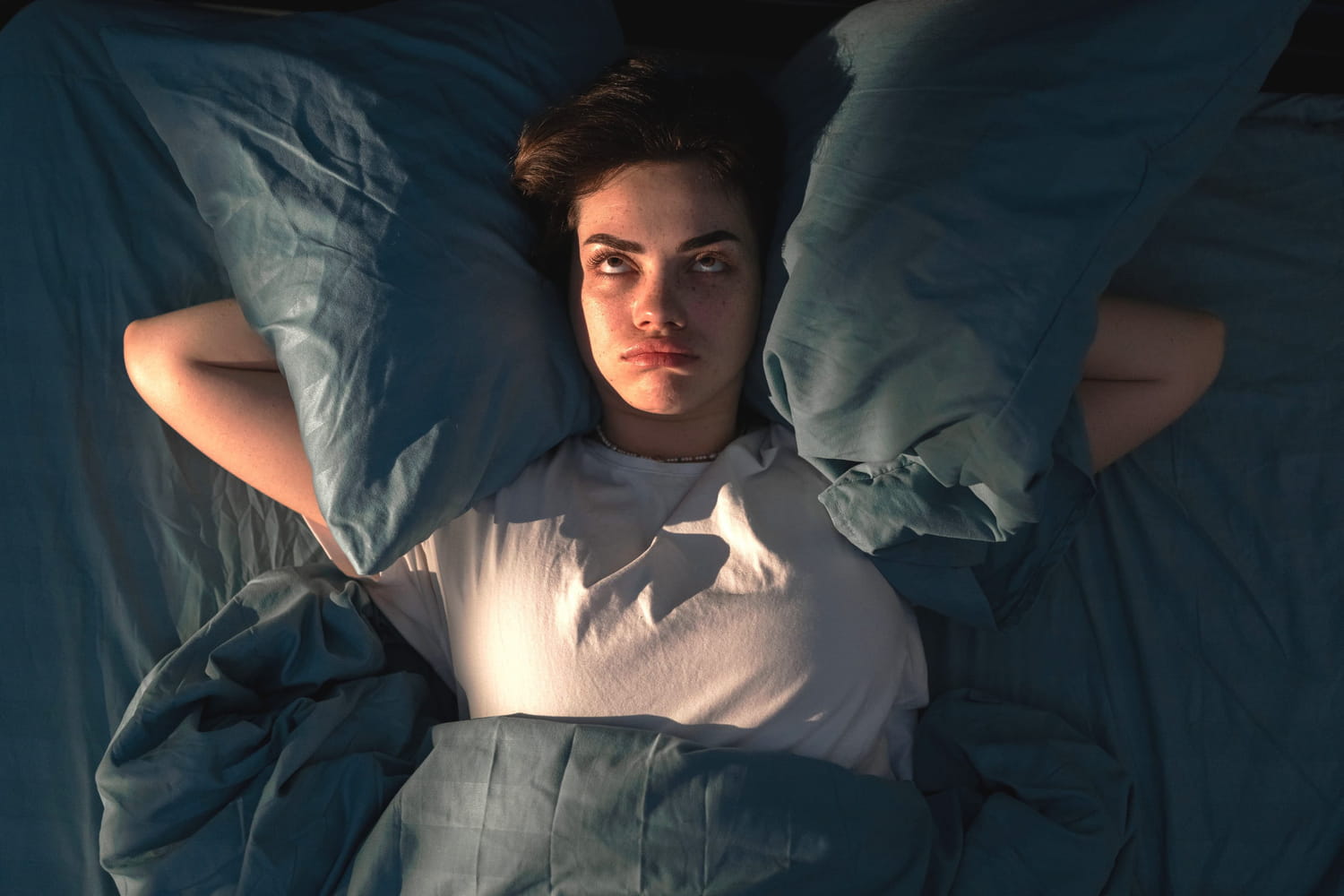
In a hotel room, a friends’ sofa bed or the campsite’s inflatable mattress… Who has never spent a night constantly tossing and turning in a bed that is not theirs, desperately waiting to fall asleep? “The main problem with a very bad night is being less efficient during the day, having more attention problems and more concentration problems”explains Isabelle Poirot, psychiatrist specializing in sleep disorders and president of the National Institute of Sleep and Vigilance (INSV). But what is happening in our brain that prevents us from sleeping well elsewhere?
“We are not all equal when it comes to sleep”recalls the specialist. Some people have particularly effective adaptation skills, while others will have little or no success in adapting to a new environment. “It’s a question of the flexibility of the brain and body in their ability to tolerate sleeping somewhere other than home.” People already suffering from insomnia are particularly vulnerable, often worried “not having these little rituals that allow you to sleep well”. They will therefore have more difficulty adapting outside their home.
Gold “to sleep well, you need to be in a safe environment where you feel good” continues the sleep expert. Changing location puts us in a hyper-arousal situation “because this environment is unknown”. Concretely, this change activates the stress system: the brain remains alert, ready to react to the slightest stimulus. Result : “We will be more sensitive to noise, to light, we may even be more sensitive to the quality of the bed. Everything is done so that we fall asleep less easily or wake up more often during the night.”
To limit the damage, there are a few simple reflexes. The specialist recommends above all to “keep your sleep schedule like at home” and, for those concerned, to “treat chronic insomnia before departures and travel”. In terms of comfort, taking your pillow can help, especially for neck support. And to master the unfamiliar environment, earplugs and a blindfold are sometimes enough to recreate the conditions of home. Last tip: “Take a good book so you can read and relax as much as possible.”
Finally, there is no need to dramatize: “A night of insomnia with shorter sleep does not necessarily have big consequences.” During a festive weekend for example, “we have to tolerate that we have completely changed our rituals, because we may have eaten more or drank a little alcohol in the evening. We can accept it, it’s not very serious”reassures the psychiatrist. It’s the repetition that poses the problem. And if sleeping difficulties persist and permanently alter the quality of life, it is better to consult a health professional.