








For several years, the rise of the collaborative economy has profoundly changed the habits of the French. According to the DGFiP, more than 5 million taxpayers have received income via online platforms (Airbnb, Vinted, BlaBlaCar, etc.), a rapidly growing phenomenon which is now attracting the attention of the tax authorities. “Amounts from collaborative economy operations are generally taxable”as the tax administration explains to us.
Another major development: automatic data transmission. “Yes, the platforms systematically transmit revenues to the DGFiP”, specifies the DGFiP. However, there is an exception: “the exemption applies if the user has carried out transactions for an amount less than or equal to 2,000 euros AND for a number of transactions less than 30”. That said, this in no way relieves the taxpayer of his obligations: even in the absence of transmission, he remains responsible for verifying and, if necessary, declaring his income.
2026 tax return: at what amounts must you declare your winnings received on Vinted?
For individuals, “ the sale of everyday objects on Vinted is not taxable except in special cases.recalls the DGFiP. This therefore concerns the majority of occasional sales, as long as they are not part of a profit motive. But several exceptions exist “ when the transfer price is greater than 5,000 euros or in the event of the sale of precious metals, the income is taxable”specifies the administration. Another closely monitored case: “ income from the sale or resale of goods that I buy or (re)sell is taxable ». In other words, as soon as there is an intention to gain, the activity can fall into the tax field.
Tax return: at what amounts must you declare your earnings received on Airbnb or Blablacar?
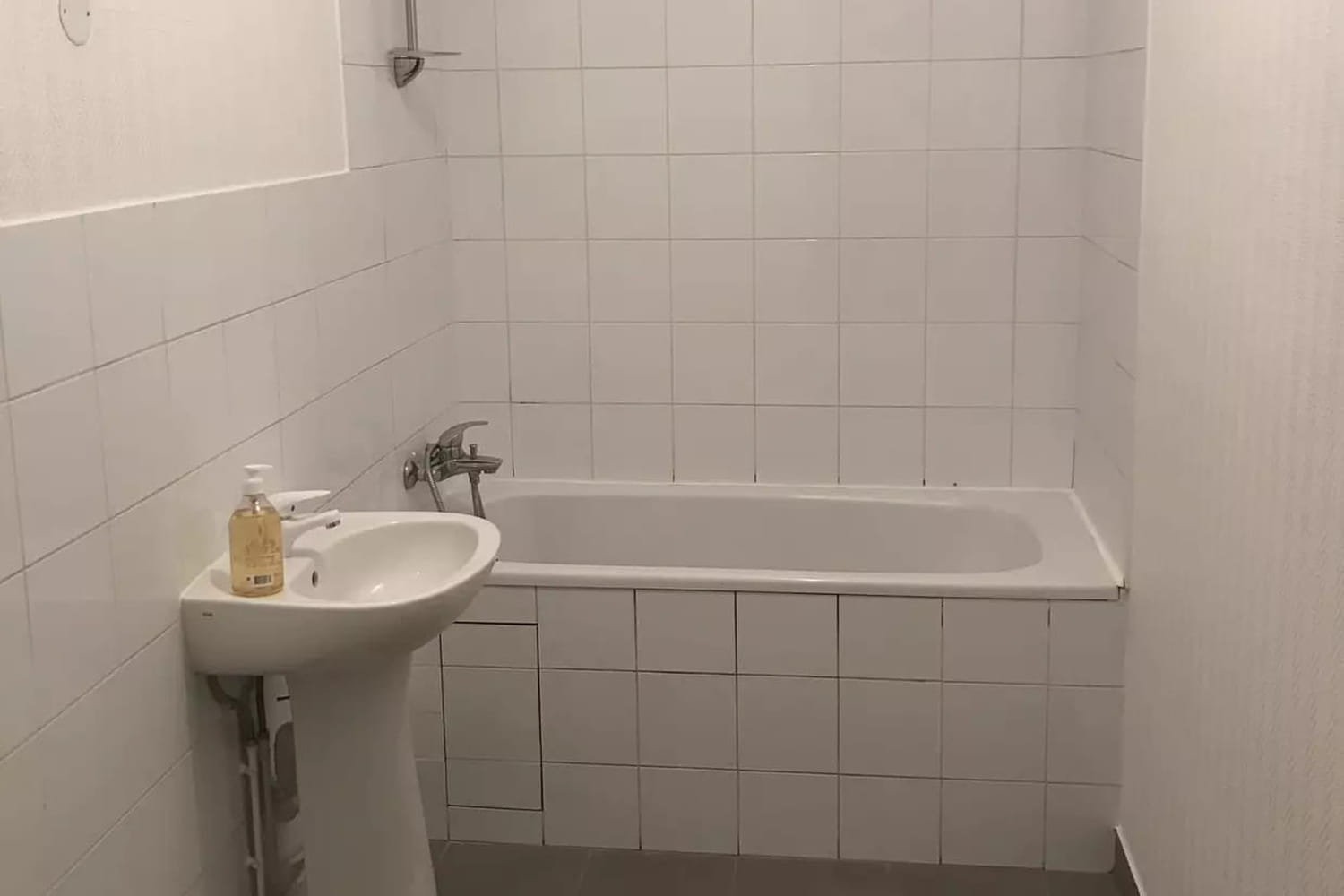
For furnished rentals, the rule is unambiguous: “ income from rentals via Airbnb is taxable »indicates the DGFiP. A tolerance nevertheless exists: “ rentals of his main residence which do not exceed €760 per year are exempt and do not have to be declared ». Beyond this threshold, declaration becomes mandatory.
But be careful, the tax framework will change significantly in 2026. Until now, rental companies could benefit from the micro-BIC regime with a reduction of 50% until 77,700 euros of annual revenue. From now on, this regime has been tightened: the ceiling is lowered to 15,000 euros and the reduction falls to 30%. This therefore means that the tax base increases sharplywith a risk of seeing “the tax bill goes from single to double” for certain taxpayers.
Concerning carpooling and particularly Blablacar, the principle is based on the absence of profit. “ Income linked to carpooling is not taxable as long as it fulfills the following three conditions »details the DGFiP: journey made on one’s own account, price not exceeding the costs, and personal contribution to the costs.
However, if these conditions are not met, the winnings become taxable. In this case, a specific tax framework applies: if annual revenue is less than 77,700 eurosthe taxpayer can fall under the micro-BIC regime, with a flat rate reduction of 50% for fees. Also note: no tax is due if revenue remains below 305 euros.
Tax declaration: where and how to declare platform income?
An essential question remains: where to declare this income? In most cases, they must be entered in the annual income tax return, via the form 2042 or its annexes. Income from furnished rental or a regular activity generally falls into the category of BIC (industrial and commercial profits), with a complementary declaration 2042-C-PRO. In the event of a one-off taxable activity (such as a capital gain on a property sold for more than 5,000 euros), specific forms may be required. “ It is up to the taxpayer to ensure that the pre-filled information is accurate, and to complete or correct it if necessary. »recalls the DGFiP.
Tax declaration: how to avoid errors with platform income?
The distinction between occasional and professional activity is essential. “ An activity is considered professional when it involves personal, direct participation in a logic of income production »specifies the DGFiP. A regular or organized activity can therefore lead to a change in tax regime.
Finally, the administration insists on a key point: “ not declaring your income » remains the most frequent error. Hence a clear recommendation: “ it is up to the taxpayer to ensure that the pre-filled information (…) is accurate, and to complete or correct it if necessary “. Vigilance is essential to avoid any recovery.


