MumyMumy
  • News
  • Female Empowerment
  • Business
  • Politics
  • Career
  • Culture
  • Parenting
  • More
    • Web Stories
    • Popular
    • Pregnancy

Subscribe to Updates

Get the latest women's news and updates directly to your inbox.

Trending Now

Why Self Assessment Can Be More Complex for Doctors Than It First Appears

21 September 2026

SheMD Journal Club: Where Are The Women?

3 September 2026

Choosing a Specialty As a SheMD

26 August 2026

The 5 Things We WISH We Learned While in Med School

26 August 2026

Welcome to Medical School: Part 3

26 August 2026
Facebook X (Twitter) Instagram
  • Privacy
  • Terms
  • Advertise
  • Contact
Facebook X (Twitter) Instagram Pinterest Vimeo
MumyMumy
  • News
  • Female Empowerment
  • Business
  • Politics
  • Career
  • Culture
  • Parenting
  • More
    • Web Stories
    • Popular
    • Pregnancy
Subscribe
MumyMumy
Home » Dogs love doing this at the beach, but it’s very dangerous, warns a veterinarian
Culture

Dogs love doing this at the beach, but it’s very dangerous, warns a veterinarian

By News Room22 July 20263 Mins Read
Share Facebook Twitter Pinterest LinkedIn Tumblr Reddit Telegram Email
Dogs love doing this at the beach, but it’s very dangerous, warns a veterinarian
Share
Facebook Twitter LinkedIn Pinterest Email

Behind this mundane holiday habit lies a medical emergency that experts describe as a “silent killer”. A dog trainer is sounding the alarm on this little-known phenomenon which wreaks havoc every summer.

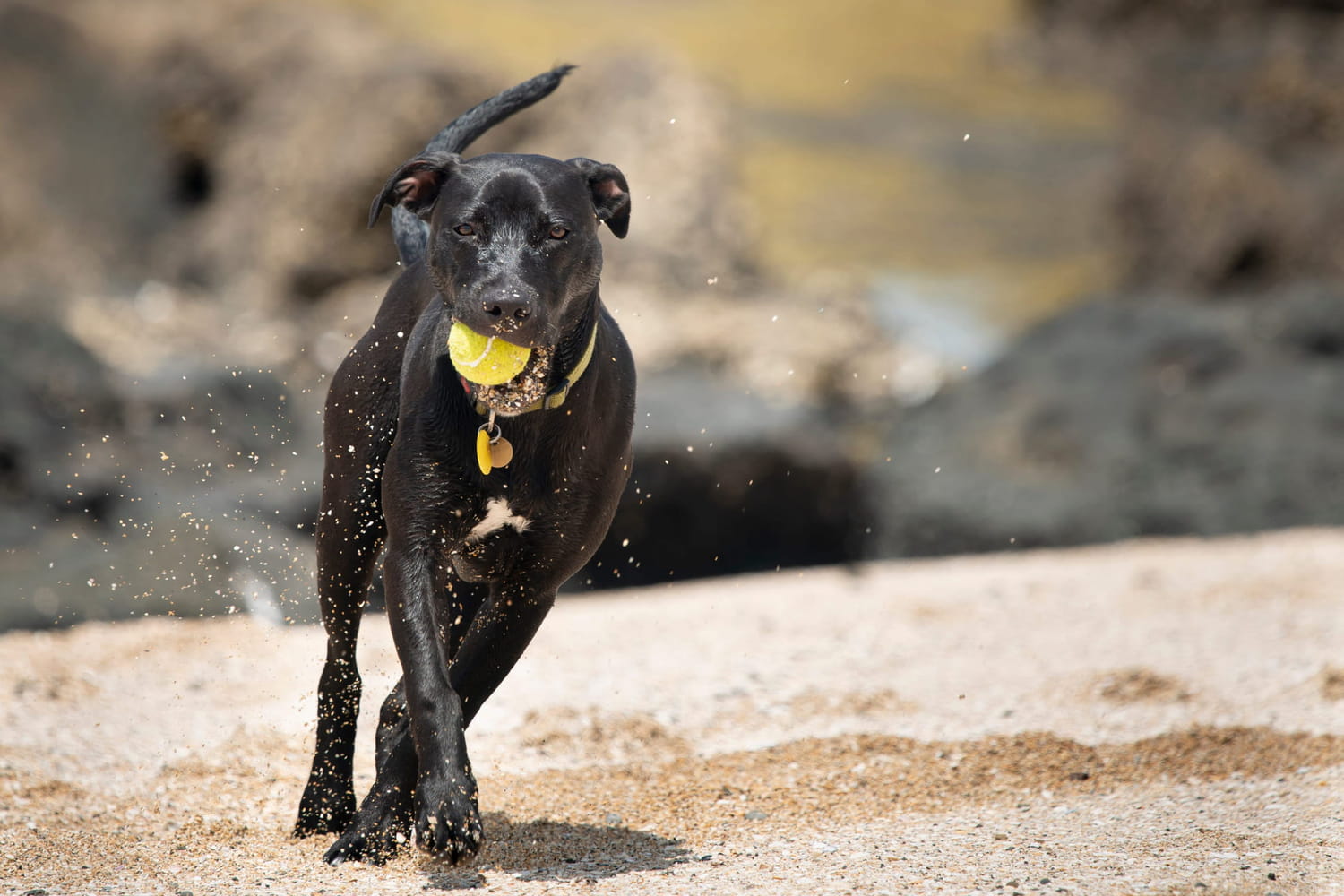
For the majority of canines, summer is synonymous with newfound freedom by the sea. Dogs love to run breathlessly along the stretch of coastline, let off steam in the fresh air and have fun in the waves at the water’s edge. For them, each outing is a celebration: they spend long moments frantically digging in the sand or excitedly watching for the ball that their master is about to throw, before proudly bringing it back in a moment of sharing and pure complicity.

However, behind these moments of shared joy, a real danger awaits our pets, and the majority of owners are completely unaware of it or do not see it coming. Faced with this phenomenon, Sarah Rose, a dog trainer whose school is located in Cornwall, England, is sounding the alarm. “I’ve never talked about it before, and I’ve never heard other dog trainers talk about it either. So we need to make sure every owner understands what it is, because I’m sure it’s something we all think we know, but just don’t think about.”

This danger that veterinarians fear is called impaction. When the dog plays completely innocently, he ingests small amounts of sand which eventually accumulates. Sarah Rose details the two summer activities most at risk: “playing ball and digging holes. And these are two very good reasons why your dog could suffer from sand impaction“Regarding the holes, the expert warns:”Unfortunately, this is probably one of the most dangerous ways to ingest sand, as they blow it down the back of their throat.“Once swallowed, sand accumulates in the stomach or intestines, acting as a physical blockage that blocks the digestive system and can, in the most severe cases, cut off blood flow to the intestines.

To ensure that the beach remains a pleasure, a few simple actions can help neutralize this risk. First, Sarah Rose advises “throwing out all your tennis balls” in favor of smooth models, because sand can’t cling to the “fluffy parts.” She also recommends imposing regular breaks on the animal: “During these breaks, you should make sure to wash your ball in a rock puddle or with whatever water you have on you. Don’t keep giving them a ball full of sand and make sure they drink from a bowl where there is no risk of sandy water, as clean water can actually wash away sand as it enters the mouth.” Finally, if your companion is a compulsive digger, this behavior must be modified: “if they are not ready to do this, put them on a leash and have them sit with you, relax and take a break while providing them with fresh water.“

Also, if your dog has spent the day at the beach, closely monitor the following signs which should lead you to immediately consult a veterinarian: repeated vomiting (the dog is no longer able to keep down the water it drinks), loss of appetite accompanied by severe lethargy, or even visible pain and swelling in the abdomen. In addition, diarrhea containing grains of sand or, conversely, a total absence of stools despite repeated and unsuccessful efforts by the animal, are indicators of intestinal obstruction. Keeping a close eye on these signals after a trip to the seaside can literally save your companion’s life.


Share. Facebook Twitter Pinterest LinkedIn Tumblr Email

Related Articles

“I was not loved the way he loved her…”
Culture

“I was not loved the way he loved her…”

30 July 2026
“All women can deny pregnancy”: how to explain this phenomenon?
Culture

“All women can deny pregnancy”: how to explain this phenomenon?

30 July 2026
makeup artist Charly Salvator loves this ultra-confidential perfume that no one talks about
Culture

makeup artist Charly Salvator loves this ultra-confidential perfume that no one talks about

30 July 2026
We thought this dress was impossible to wear in town, but it’s a must-have everywhere this summer
Culture

We thought this dress was impossible to wear in town, but it’s a must-have everywhere this summer

30 July 2026
Where does Zidane live? Luxury villas in Spain, houses in France… Details on its properties
Culture

Where does Zidane live? Luxury villas in Spain, houses in France… Details on its properties

30 July 2026
there is a risk of hemorrhage
Culture

there is a risk of hemorrhage

30 July 2026
Latest News

SheMD Journal Club: Where Are The Women?

3 September 20263 Views

Choosing a Specialty As a SheMD

26 August 20261 Views

The 5 Things We WISH We Learned While in Med School

26 August 20262 Views

Subscribe to Updates

Get the latest women's news and updates directly to your inbox.

Popular Now

SheMD Interview Tips Part 1: The Basics

News Room26 August 2026

What You Will Be Asked

News Room26 August 2026

Questions to Ask the Residents

News Room25 August 2026
Most Popular

Why Self Assessment Can Be More Complex for Doctors Than It First Appears

21 September 20262 Views

SheMD Journal Club: Where Are The Women?

3 September 20263 Views

Choosing a Specialty As a SheMD

26 August 20261 Views
Our Picks

The 5 Things We WISH We Learned While in Med School

26 August 2026

Welcome to Medical School: Part 3

26 August 2026

SheMD Interview Tips Part 1: The Basics

26 August 2026

Subscribe to Updates

Get the latest women's news and updates directly to your inbox.

Mumy
Facebook X (Twitter) Instagram Pinterest
  • Privacy Policy
  • Terms of use
  • Advertise
  • Contact
© 2026 Mumy. All Rights Reserved.

Type above and press Enter to search. Press Esc to cancel.