




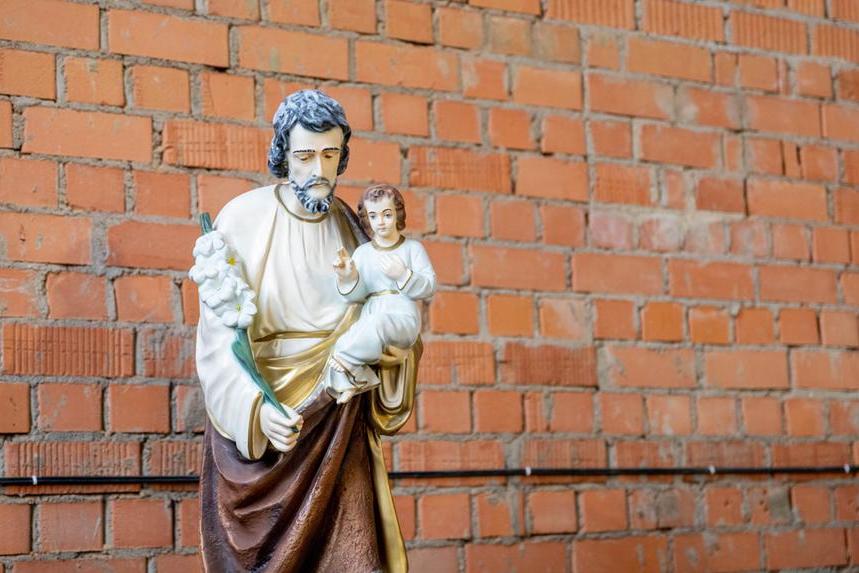
A few years ago Pope Francis proposed the figure of Saint Joseph for the Church’s meditation and for the world’s attention for a sort of “year of Saint Joseph”.
It was a courageous challenge, one that the pontiff likes, because Saint Joseph, even for many believers, is a picture-perfect figure: a rather submissive, and ultimately defeatist good man, deprived of his dreams by the will of Godwho would have imposed his plan on Mary because he had a great plan on Jesus, the Son.
There are many ideas that I could draw from this work of the Pope, and I will give you some hints. Here I would first of all like to highlight the importance of this figure for our reflection on the father (and more generally on the parent).
In highlighting the qualities of this intimately free man, the Pope, for example, he recognizes in him the gift of cultivating silence, of which he should not be afraid.
Another gift of Giuseppe, recognized by the Pope, it is true couragea virtue with which he contrasts exactly with the terrible figure of Herod. Courage in everyday life. Courage without puffing out your chest and without any need to appear “superior to others”, “dominant”, “contemptuous” and much less “violent”. Only a father like this has the authority to educate a child not to underestimate the troubles of the world and of life, but to face them with strength and justice.
A father who knows his place in the worldwho has his values and does not renounce them, who does not envy the rich and powerful, who does not postpone happiness to who knows what achievement and who does not blame his difficulties and even, if they happen, his failures on the “faults of others”.
A father who is a mountain, a rock, a true adult.
The reflection of Saint Joseph the carpenter, that is, the worker, is also very rich. Fathers and mothers, today more than ever, are put to the test in transmitting to their children the value and meaning of working: the dignity of this commitment, the defense of this right, the right consideration of the very rapid changes that are taking place in this very important sector
of life.
Parents who transmit to their children the belief that work is hell, a condemnation, and not, for those who have it, an opportunity, are as if they were transmitting the idea that life itself as adults is hell. Whoever did so would assume a heavy responsibility towards young people.
Still, the Pope attributes to Saint Joseph a decisive role in nourishing in Jesus the sense of the tenderness of the heavenly Fatherinvests him with the ability to introduce his son into his «revolution of tenderness. In fact, the father is the one who knows the art of being just without ever losing tenderness: because, more than the child’s guilt, what matters is the parent’s ability to show himself superior and to continue to value the “culprit” much more than his own guilt.
This is tenderness, and it is a tenderness that educates, that strengthens, that makes us grow. The fathers we need are those who allow their children to have this experience the Pope talks about.
Other item: Saint Joseph, says the Pope, is a “man who dreams”. A child who has a parent who “dreams” has a sky above his head, as well as a roof.
In the end, Giuseppe is a father who has a strong sense of communityand develops and transmits to the child the perception of being part of a very large family. For example, the carpenter of Nazareth knows and shares with Jesus the traditions of Israel: the festivals, the legends, the meaning of things considered sacred (trying to show them to his son in their value and not just as social conventions empty of meaning), kinship, bonds of friendship and respect for everyone.
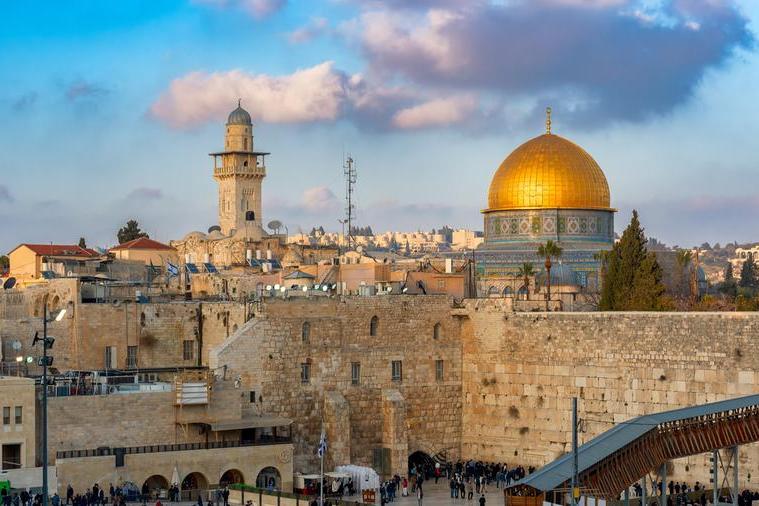
In chapter 2 of the Gospel of Luke it is said that Jesus’ family goes to Jerusalem every year for the Easter celebration. And it does, coincidentally,
in a crowded caravan in which the parents trust the other adults so much… that they don’t notice for an entire day that Jesus remained in the city!
Sociable parents make sociable children, or at least not afraid of sociability, with all its rich opportunities.
*freely taken from In the name of the Father, published by Solferino