





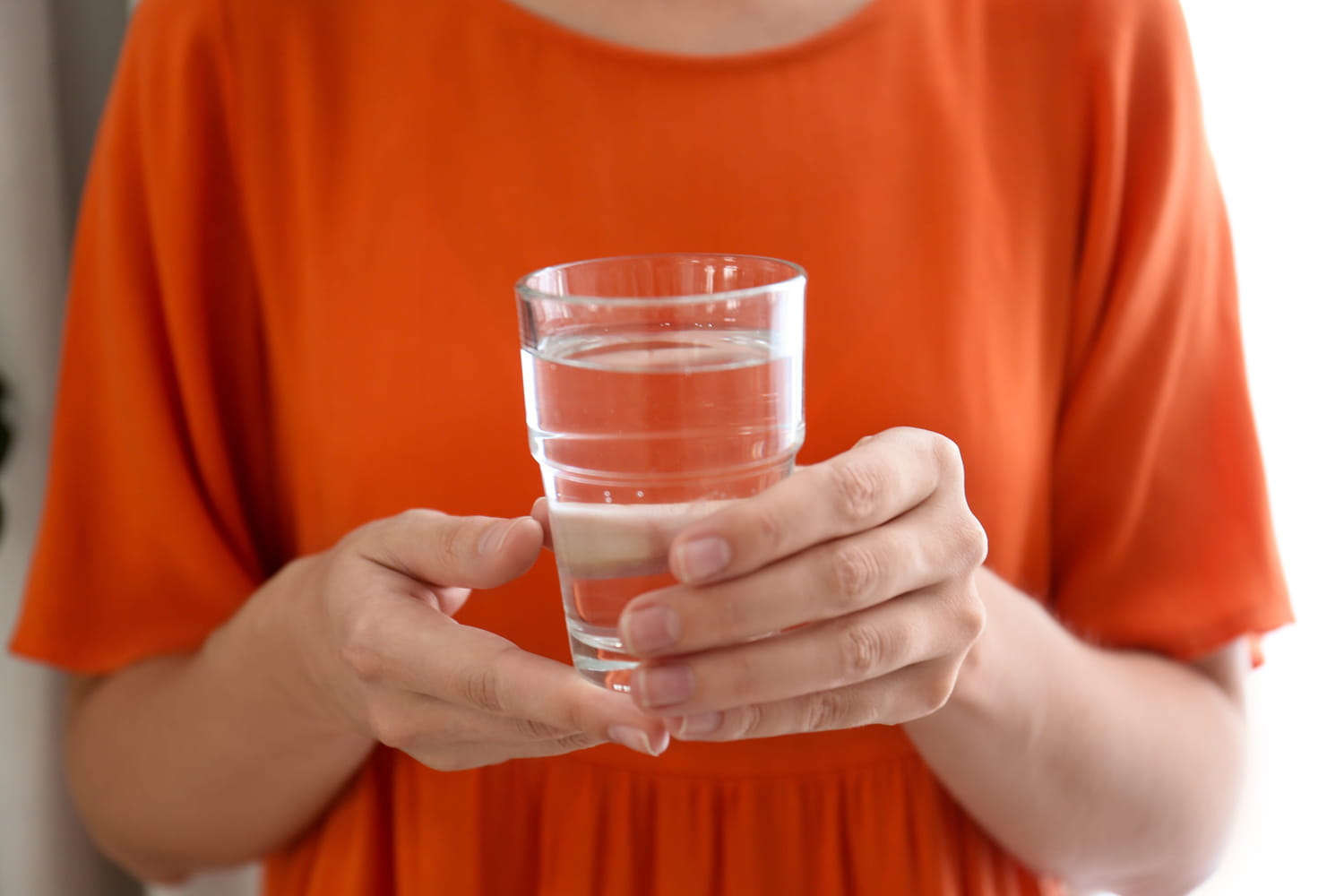
When the body lacks water, the blood tends to thicken and the heart must work harder to irrigate the arteries and prevent blood pressure from rising. This dehydration, even slight, creates an ideal environment for the formation of blood clots, which are the main triggers of heart attacks.
Cardiologists insist: drinking enough water is vital to prevent heart damage. Researchers from Loma Linda University in California analyzed the lifestyles of more than 20,000 adults (women and men aged 38 to 100). At the start of the study, none of the participants had heart problems, diabetes or a history of stroke. The scientists measured precisely what they drank on a daily basis (amount of pure water, but also coffee, tea, soda and fruit juice), their level of physical activity, whether they smoked, and what they ate (consumption of meat, fruit and vegetables, etc.). For 6 years, the medical teams monitored the evolution of the health of all the participants. As soon as a heart attack death occurred, they analyzed the person’s data.
According to their results published in theAmerican Journal of Epidemiologywhether a person was young or old, smoked or not, sporty or sedentary, whether they ate fatty or balanced… the result remained the same: for the same profile, those who drank at least 5 glasses of water per day (i.e. approximately 1.3 liters) had half the risk of dying from a heart attack than those who drank less. Why does water protect the heart? When the body lacks fluid, the blood tends to thicken and become more viscous. For the heart, this is the beginning of problems: it must redouble its efforts to propel this heavy fluid through the arteries. This dehydration, even slight, creates an ideal environment for the formation of blood clots, which are the main triggers of heart attacks.
Of course, the risk of heart attack is also significantly reduced when you get enough sleep, eat a balanced diet and move regularly. It is an easily accessible volume, since it is enough to drink a large glass of water upon waking up, one with each meal (noon and evening) and two others spread throughout the day (one in the morning and one in the afternoon) to reach this protective threshold for the heart. Obviously, only pure water (spring water, tap water or sugar-free herbal teas) counts. Other drinks (such as fruit juices, sodas, coffee or tea) have the opposite effect: they modify blood pressure and sometimes act as diuretics, which worsens blood viscosity instead of correcting it.
To encourage people to drink more water, Dr. Synnove Knutsen, professor of preventive medicine and co-author of the study, suggests spicing up plain water by simply adding slices of lemon, lime, or orange.