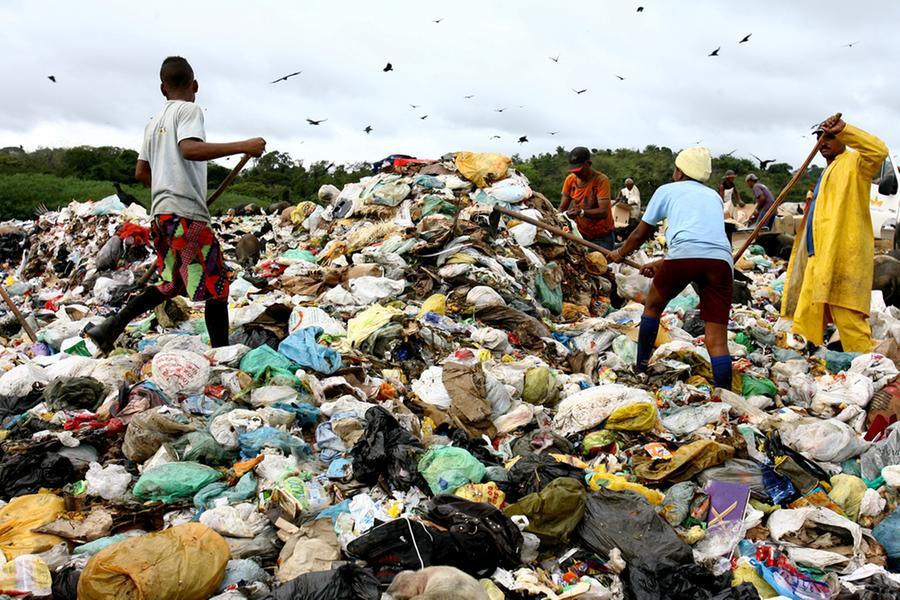
One fact would be enough to understand why the European Union has introduced an absolute ban on large companies from destroying unsold clothing, accessories and footwear: in the Old Continent up to 9% of textile products are destroyed before they are even used.
The provision, issued on 19 July, now concerns companies with over 250 employees or with an annual turnover exceeding 50 million euros, while smaller ones will have until 2030 to comply with the legislation. The measure is part of Regulation (EU) 2024/1781 known as ESPR – Ecodesign for Sustainable Products Regulation, which establishes a new European framework for eco-compatible industrial design. The aim is to make products in the EU more sustainable, circular and long-lasting, by prioritizing reparability and recyclability.

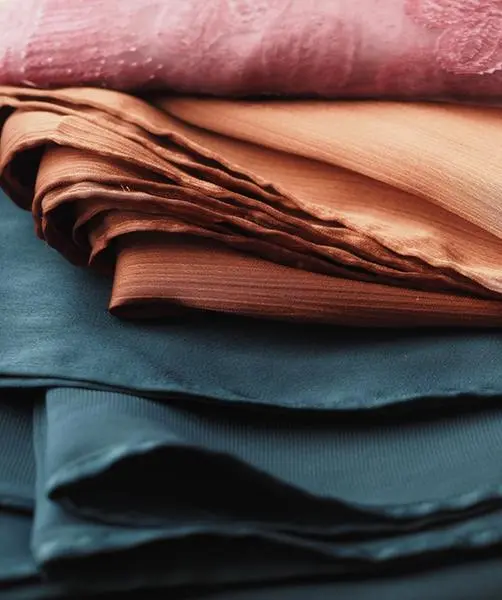
The legislation therefore enhances the virtuous industrial model which on the one hand discourages overproduction, on the other hand it invites us to transform waste and unsold items into new resources, prohibiting their destruction, which brings with it not only the waste of the finished product, but also and above all of the resources that were necessary to produce something that will never be used. Among the most important innovations of the regulation is the introduction of Digital Product Passport (DPP)a technological identity card that will accompany each item indicating data and documentation of conformity, and information on its composition.
And, again, article 24 of the new regulation imposes an unprecedented obligation of transparency on companies. Every year, brands will therefore have to publish detailed data on unsold goods on their websitesspecifying quantity, weight and, above all, the reasons behind the disposal choices.
In Italy, Slow Fiber is promoting the principles of circularity now made official by the new regulationa network of over forty companies that together promote a sustainable and fair textile supply chain.

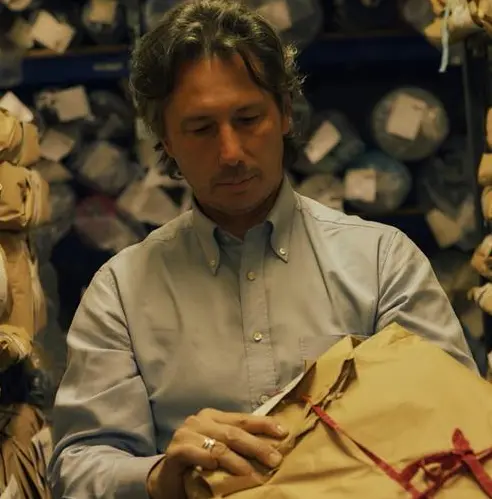
«The deviant models of fast and ultra fast fashion, based on waste and rejection, produce much more than necessary, creating frightening volumes of unsold items which must then be disposed of in some way – says the founder and president Dario Casalini – For different reasons, the large luxury brands, obsessed with the risk of counterfeiting and loss of control over their production and commercial networks, can be induced, and there have been scandals in this sense in the past, to destroy semi-finished products bearing their logos or distinctive brands».
And Slow Fiber itself indicates some concrete solutions that are already coming from the territories. In Piedmont, for example, the Piedmontese company of high-end furnishing fabrics The factory Avoid destruction by re-stocking high-end unsold stock through specially priced stock or by selling offcuts to home improvement enthusiasts and carpet companies. The Made in Italy luxury knitwear company in Bologna Roberto Collina focuses on repairing defective luxury knitwear items, reintroducing them into the commercial circuit. In Milan the Gina knitwear optimizes the yarns with the “re-winding” technique and sells the faulty fabrics to fashion schools or private individuals. Again, the knitwear factory Oscalito transforms cotton waste into packaging and wool-silk residues into new high-quality sweaters. And, again, again in PIemonte, Quality Biella offers mending services to send garments to outlets and recycles internal waste to produce accessories such as hangers and garment bags. «The ban is useful and goes in the right direction – comments Casalini -. However, there remains the sad feeling of having to enthusiastically welcome a rule dictated by simple common sense, something that for past generations would have been obvious”.