Difficulty concentrating in the afternoon, unusual bouts of fatigue, temporary irritability: summer disrupts our eating habits much more than we think, with direct effects on the energy available for work.
Why does summer shake up our eating habits?
Heat, meals taken on the go, shifts in holiday schedules, desire for lightness: so many factors which profoundly change what we eat in summer, often without us really realizing it.
We more easily skip a meal, we replace a full lunch with a salad that is too light, we drink less water than necessary despite the heat. Dinner, too, often slides later into the evening as the days get longer – which disrupts sleep and is paid for the next morning in concentration.
What really hampers concentration
Dehydration, even slight, significantly reduces the ability to concentrate and increases the feeling of fatigue, a phenomenon amplified by heat. In the same way, a meal too low in protein and fiber causes a peak and then a rapid drop in blood sugar levels, causing that dip so characteristic of mid-afternoon in summer.
The rapid excess of sugar, common with ice creams and cold summer drinks, further accentuates this energy roller coaster phenomenon.
The minerals we lose without thinking about it
Sweating not only removes water: it also takes away sodium, potassium and magnesium. However, it is precisely the latter which plays a key role in the management of nervous fatigue and irritability. A lack, even slight, can result in headaches, a feeling of heavy legs or unusual irritability at the end of the day – signals often attributed to the workload, although they also come from the plate.
To compensate for these losses: bananas, dried fruits (almonds, cashews), green leafy vegetables, dark chocolate over 70%, and mineral water rich in magnesium in addition to everyday still water.
Nutrients associated with energy and mood
- THE proteins at each meal (eggs, legumes, fish, poultry), to stabilize blood sugar and prolong the feeling of satiety
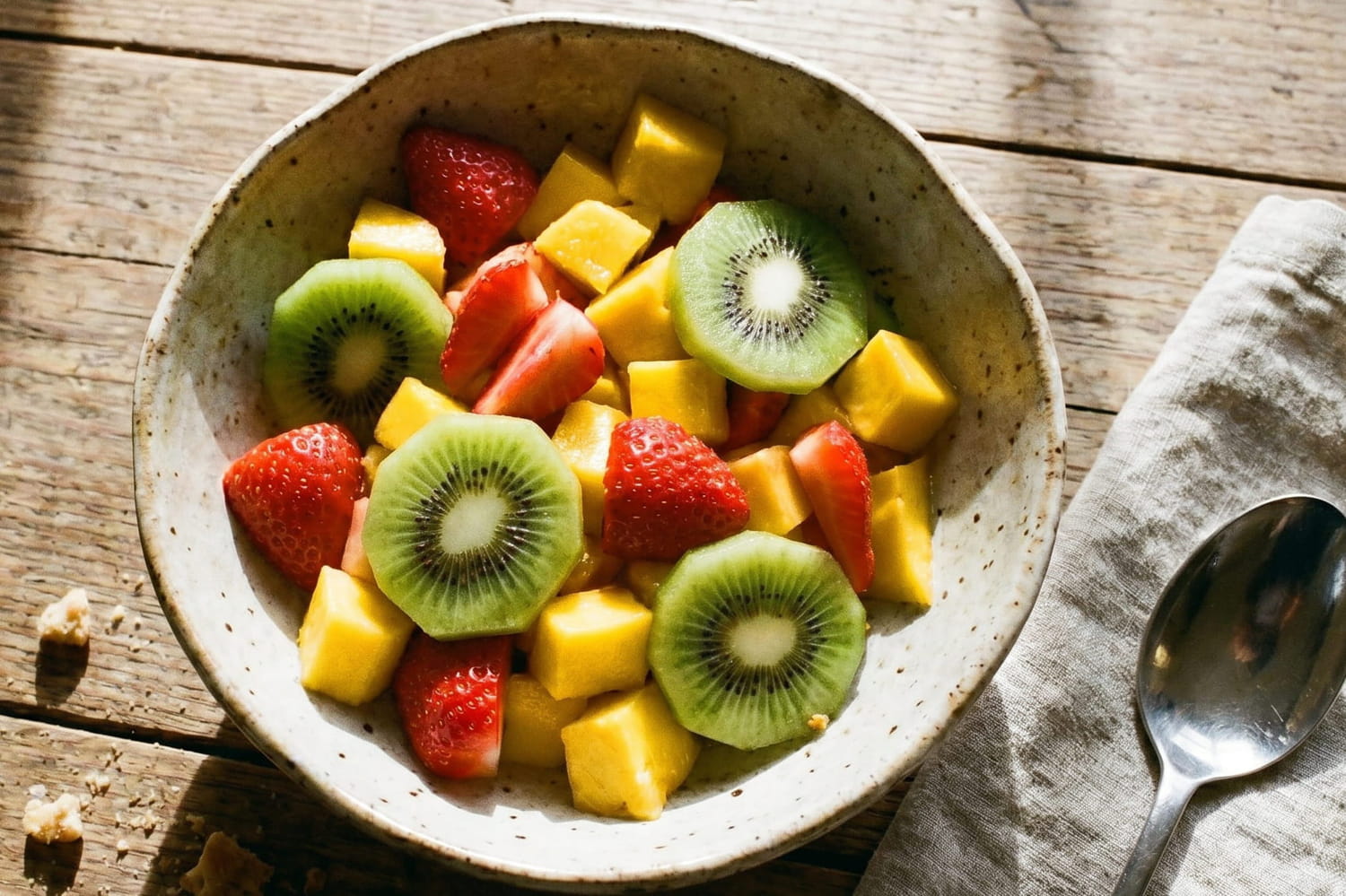
- THE fibers fresh vegetables and fruits, particularly abundant in summer (zucchini, tomatoes, cucumber, apricots)
- THE good fatty acidspresent in fatty fish, oilseeds and olive oil
- A hydration regularly throughout the day, not just during meals – the ideal being to drink in small quantities rather than a large isolated glass
Beware of the pitfalls of summer drinks
Very sweet frozen drinks (sodas, flavored iced coffees) give an immediate impression of freshness, but follow the same spike-fall pattern in blood sugar as sweets.
Alcohol, often more present during summer aperitifs, accentuates dehydration and degrades the quality of sleep – two factors which directly affect concentration the next day. Nothing is forbidden, but a glass of water between two cold drinks makes a real difference to the energy at the end of the day.
A typical day to stay focused in summer
Concretely, this can give:
- A large glass of water upon waking up, even before coffee;
- A breakfast with a source of protein (eggs, Greek yogurt, oilseeds) rather than just a pastry;
- A full lunch combining proteins, starches and vegetables, even in salad format;
- A to taste with fresh fruit or a handful of almonds in case of low energy around 4 p.m., rather than a very sugary snack;
- and a lighter dinner but not devoid of protein, taken if possible before the heat falls too late in the evening.
Simple adjustments rather than a diet
It’s not about changing your summer habits, but about adjusting a few reflexes: making a complete salad with a source of protein rather than reducing it to just a few leaves, keeping a water bottle on hand during work days, favoring fresh fruit over very sugary snacks when your energy levels drop in the afternoon.
Listen to your body rather than following strict rules
Summer is also a good time to relearn how to spot your own signals of hunger, thirst and fatigue, which are often blurred the rest of the year by a busy professional schedule. This newfound listening, beyond the summer, can become a lasting tool for preserving energy and concentration at work.
In short: Summer diet is not just about pleasure or fitness: it has a direct and measurable impact on concentration and mood at work. A few simple adjustments are often enough to regain more stable energy, without giving up the lightness of the season.
You may also like:
Energy and performance: what you put on your plate changes everything
Do yourself good with food