




The American government’s decision to Donald Trump to terminate a contract from 11 million dollars with the non-profit association “Catholic Charities” of the archdiocese of Miami risks leaving hundreds of people without assistance unaccompanied migrant minors. Children and young people often marked by trauma and violence, who found acceptance, care and a first safe haven in the United States. A decision, communicated at the end of March, which puts an end to a collaboration between the Catholic Church and the US government that has lasted for sixty years and dates back to the first arrivals of Cuban exiles in South Florida.
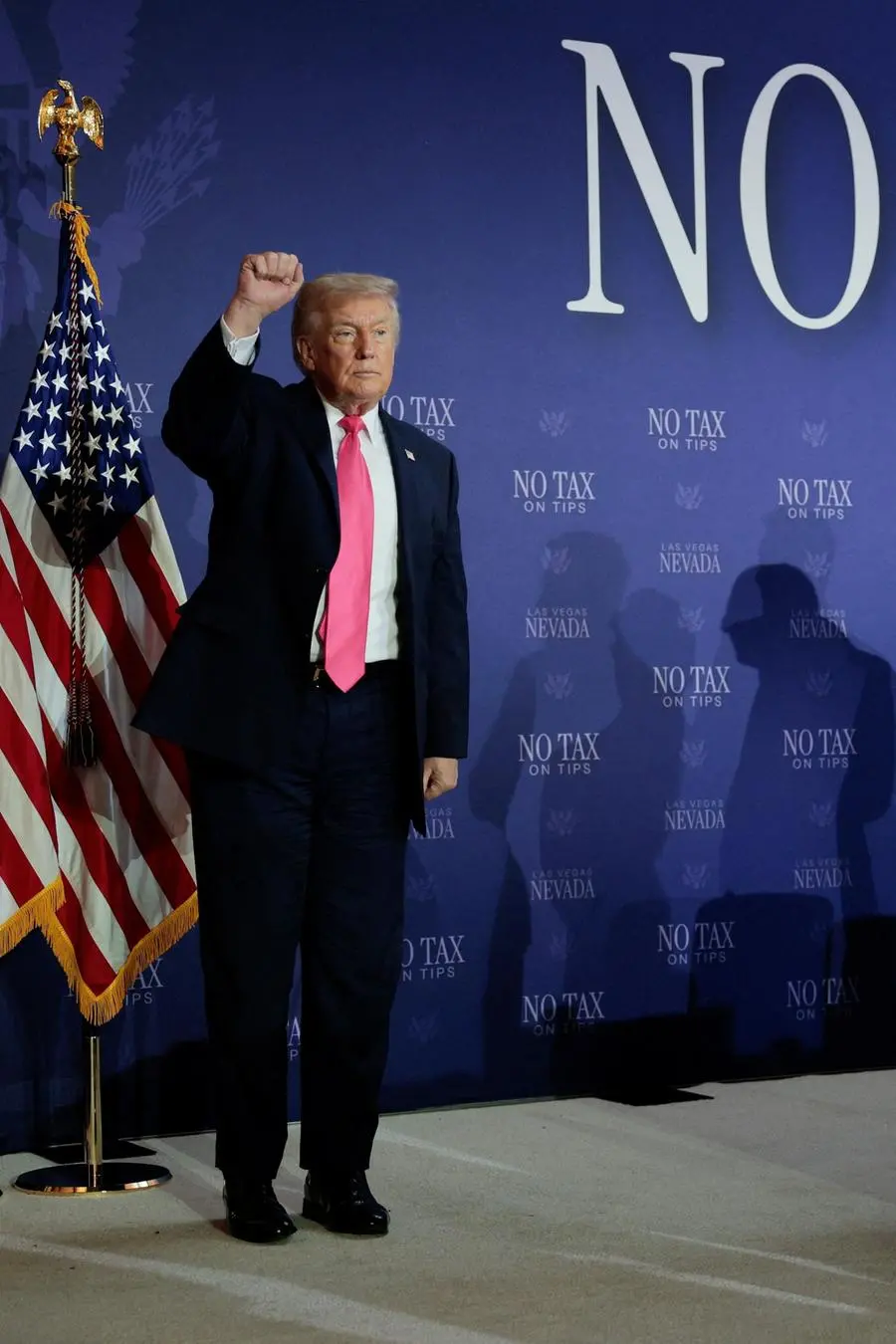
American President Donald Trump
(REUTERS)
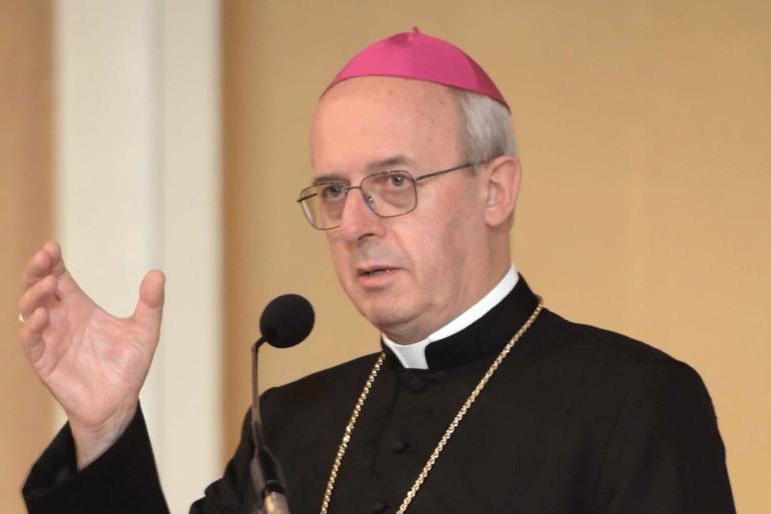
The Archbishop of Miami, Thomas Wenski, he explained to Miami Herald that without those funds the organization will be forced to close within three months: «Our diocese’s services for unaccompanied minors have been recognized for their excellence and have represented a model for other agencies across the country. Our work on behalf of this vulnerable population is unparalleled. Yet now without funding we will not be able to move forward and we don’t know where these children will go.” The Office of Refugee Resettlement has not clarified the fate of the minors in its care. Under the contract, “Catholic Charities” operates a comprehensive child care program in Miami. One of the structures – called Msgr. Bryan O. Walsh Children’s Villagein honor of a pioneer in the protection of refugee minors – has 81 beds for unaccompanied minors.
The program offers kinship foster care, family reunification and support services, “considering the trauma that many of these children have experienced before arriving in the United States,” Wenski said.
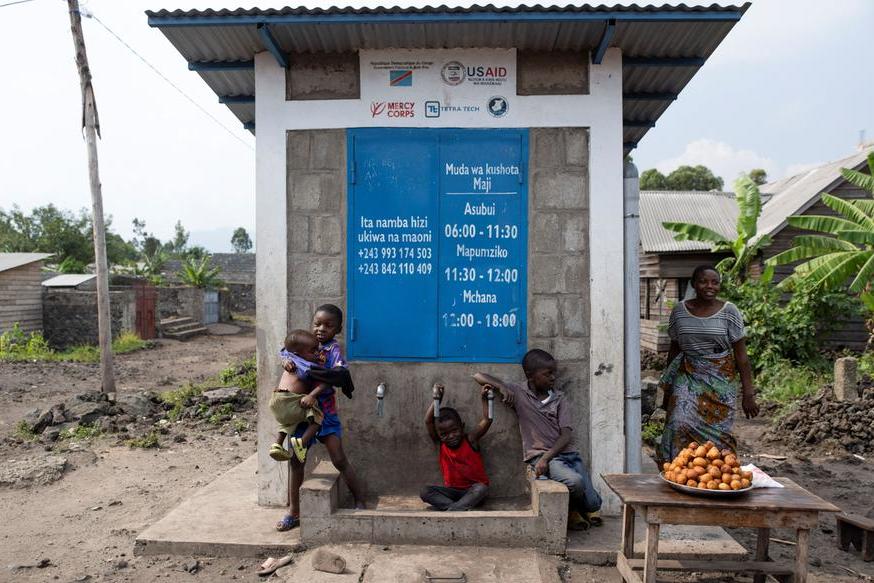
A choice, that of Donald Trump’s government, which fits into a broader framework: the drastic reduction of US international aid, in particular that intended forUSAID, the government agency for international development. Funding has plummeted in recent years and last year fell to 7.8 billion dollars compared to 12 billion the year before the lowest level in the last decade.
These cuts are, on the other hand, the price to pay for the new arms race, defined as “historic” by the White House which asked for cuts of 73 billion, equal to 10% of discretionary domestic spending not directed at the Pentagon, spread across bodies and ministries linked to welfare and the environment. Armament race that is contained in a monstrous figure: for 2027, in fact, the United States is aiming for a defense budget of 1,500 billion dollars, with an increase of at least 42% (about 445 billion more) compared to the current year. This would be an increase unprecedented since the Second World War, in a context in which Washington already firmly leads the global ranking of military spending. The proposal signed by Trump is one of the central chapters of the new budget law sent by the White House to Congress, which outlines the administration’s priorities. A huge budget in an international context also marked by war Iranfor which the president has already requested a further package of 200 billion dollars.
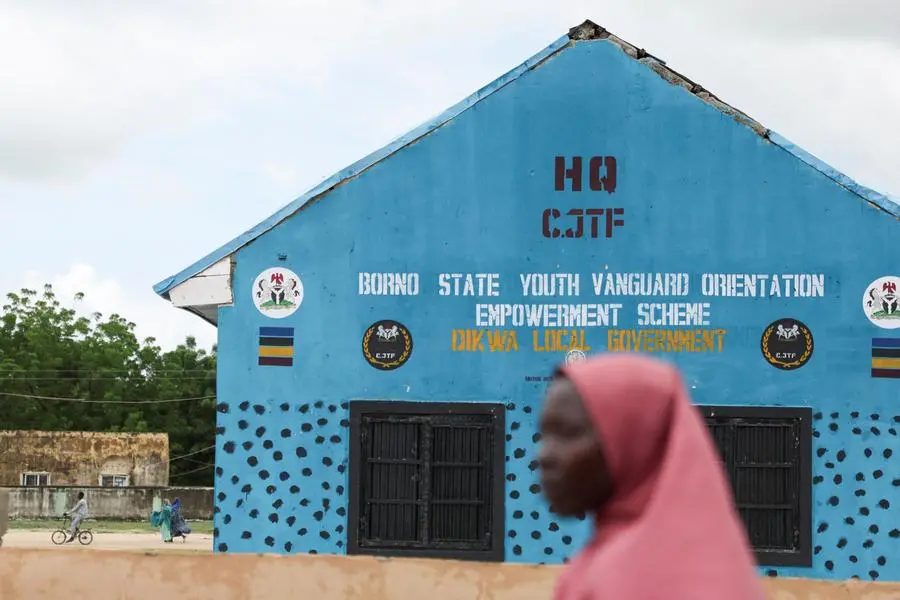
A woman walks past the closed headquarters of the Civilian Joint Task Force (CJTF) in Dikwa, following the withdrawal of USAID, in Dikwa, Borno State, Nigeria
(REUTERS)
Global domino effect
The signal sent by Washington was followed by other major donors – France, Germany, United Kingdom and Japan – causing an overall reduction in global aid of around 20%. A very hard blow especially for sub-Saharan Africa, where many countries (such as South Sudan, Somalia, Malawi, Liberia and others) are heavily dependent on international funds. The newspaper El País he said, for example, that in Malawi approximately 15 thousand LGBT people suffering from AIDS no longer have access to dedicated clinics and are forced to turn to public facilities where they suffer discrimination. In a context where homosexuality is still illegal, this often means giving up treatment.
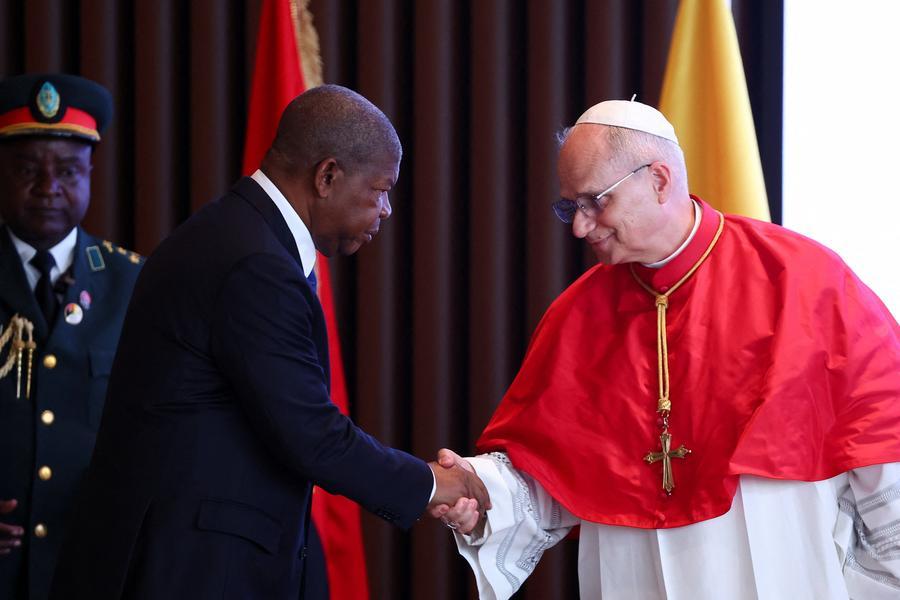
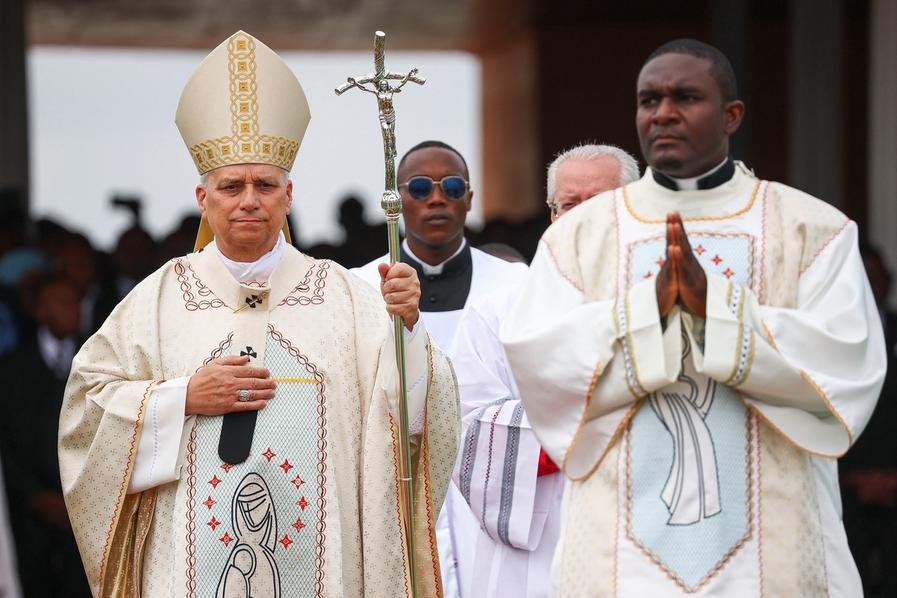
Precisely from Africa, where he is visiting in recent days, Pope Leothey pretend not to see that billions of dollars are needed to kill and devastate, but the resources necessary to heal, to educate, to lift up cannot be found. Those who rob your land of its resources generally invest a good part of the profits in weapons, in a spiral of destabilization and endless death. It is a world turned upside down, a distortion of God’s creation that every honest conscience must denounce and repudiate.”
The alarm of the scientific community
However, what makes the picture even more dramatic is the alarm raised by the international scientific community. A study recently published in the journal The Lancet estimated that drastic cuts in foreign aid could cause over 14 million avoidable deaths by 2030, including approximately 4.5 million children under five.
“Funding cuts risk bringing to a screeching halt, and even reversing, two decades of health progress among vulnerable populations,” the researcher explained Davide Rasellaspeaking of an impact “comparable in scale to a global pandemic or a major armed conflict”.
According to the study, between 2001 and 2021, USAID-supported programs had helped prevent approximately 91 million deaths, dramatically reducing deaths from HIV/AIDS, malaria and tropical diseases. A heritage of results that today risks being compromised, especially in the most fragile countries.
The cut to humanitarian funds comes at a time of growing tension between Trump and the Pope who in recent weeks has repeatedly called the international community to take responsibility towards the weakest and the need to build peace and justice. From the United States to Africa, the risk is that those who pay the highest price will once again be the last ones: unprotected migrant children and vulnerable populations who depend on aid to survive. In a world increasingly marked by conflicts and inequalities, the reduction of international solidarity risks turning into a humanitarian crisis of proportions that are still difficult to predict.