



The idea may surprise, even shock, but certain king cakes can be reimbursed by Social Security. In the middle of January, the controversy over this reimbursement is growing…
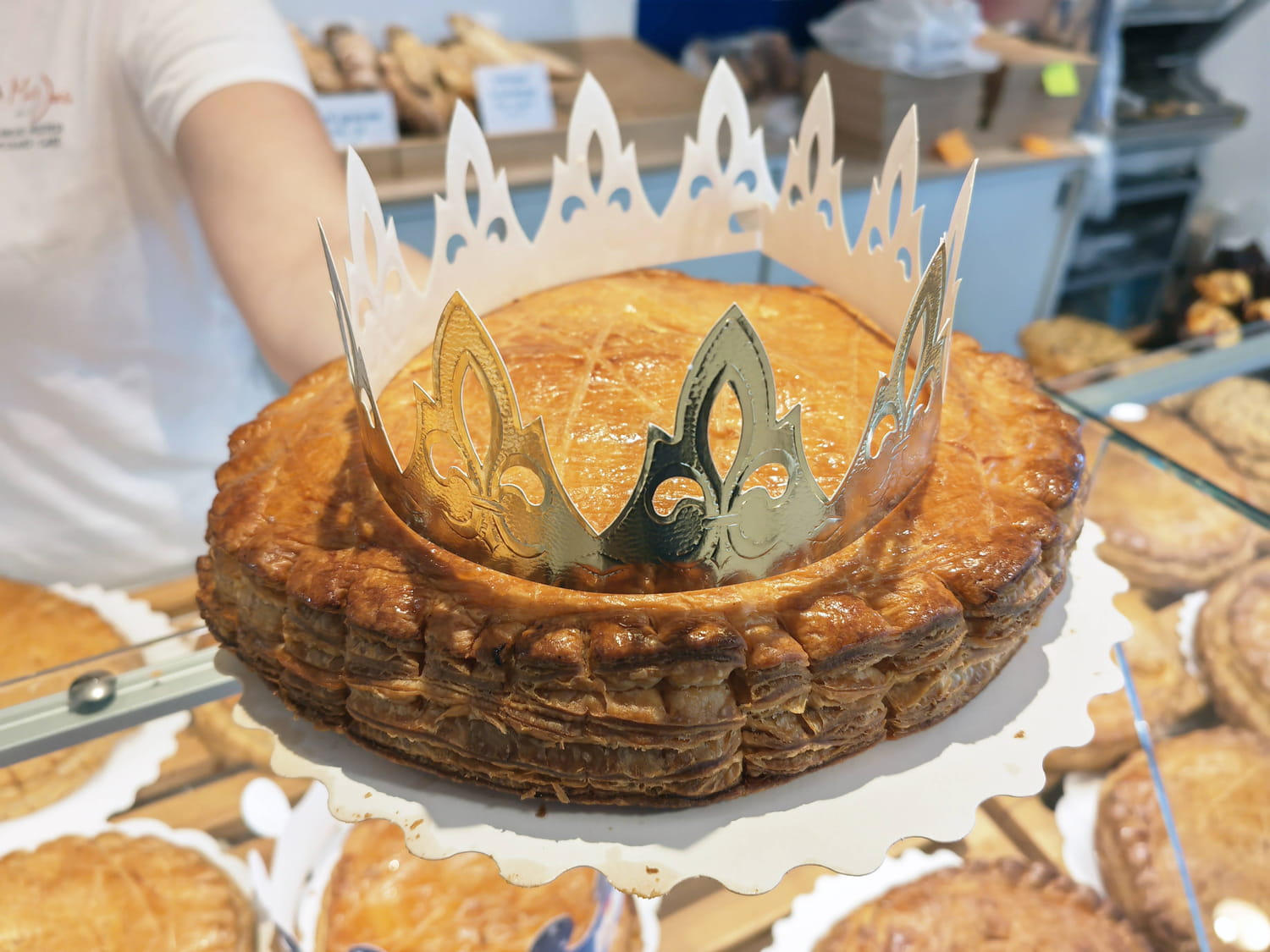
Eating a delicious bakery cake for free or almost, it’s tempting, isn’t it? For some people it is possible according to the law. Galettes des rois can, under certain conditions, be partially reimbursed by Social Security. On social networks as in the political sphere, several voices are questioning the advisability of such reimbursement, while Social Security displays a deficit estimated at 24 billion euros. LR MP Laurent Wauquiez notably denounced an “error of priorities”, believing that resources should first be directed towards hospitals, emergencies or the recruitment of caregivers. What pancakes are we talking about?
Concretely, these cakes can benefit from partial reimbursement by Health Insurance, provided that they are prescribed by a doctor to certain patients. The amount covered remains modest: a few euros per cake, for a selling price of around 19 euros. For Health Insurance, the rule is clear: it is neither automatic nor generalized reimbursement. Only diagnosed patients can benefit from it, within strict ceilings, and only for products meeting specific criteria. But diagnosed with what?
The cakes that can be reimbursed by Social Security are “gluten-free” cakes. They are only made in a few bakeries in France, notably in Normandy. Reimbursement is based on an old medical device intended for people suffering from celiac disease, a pathology requiring strict exclusion of gluten. The slightest deviation from gluten can cause pain, digestive disorders, fatigue and, in the long term, deficiencies for patients.
According to figures, in France, the number of people affected by gluten intolerance (celiac disease) is estimated at around 1% of the population, which represents around 500,000 to 700,000 people. But many are not officially diagnosed: it is estimated that only 10% to 20% of people with gluten intolerance have received a formal diagnosis, because symptoms can be mild or atypical. Reimbursement therefore only concerns a very small portion of the population.
Patient associations point out that this reimbursement is neither a matter of dietary comfort nor a fashion effect. For people with celiac disease, gluten-free is not a choice, but a medical necessity. However, these products remain more expensive, sometimes difficult to find, and their cost has a lasting impact on the budgets of the families concerned. This reimbursement is part of a broader framework: for several years, certain gluten-free products – breads, flours, biscuits or specific pastries – can be partially covered for people with celiac disease, in order to compensate for the significant additional cost of these foods compared to traditional products.
Beyond the galette des rois, the controversy above all highlights a broader question: how to reconcile national solidarity, budgetary constraints and the management of chronic illnesses, when these impose specific food expenses? A debate that goes well beyond Epiphany and questions the daily management of chronic illnesses more broadly.