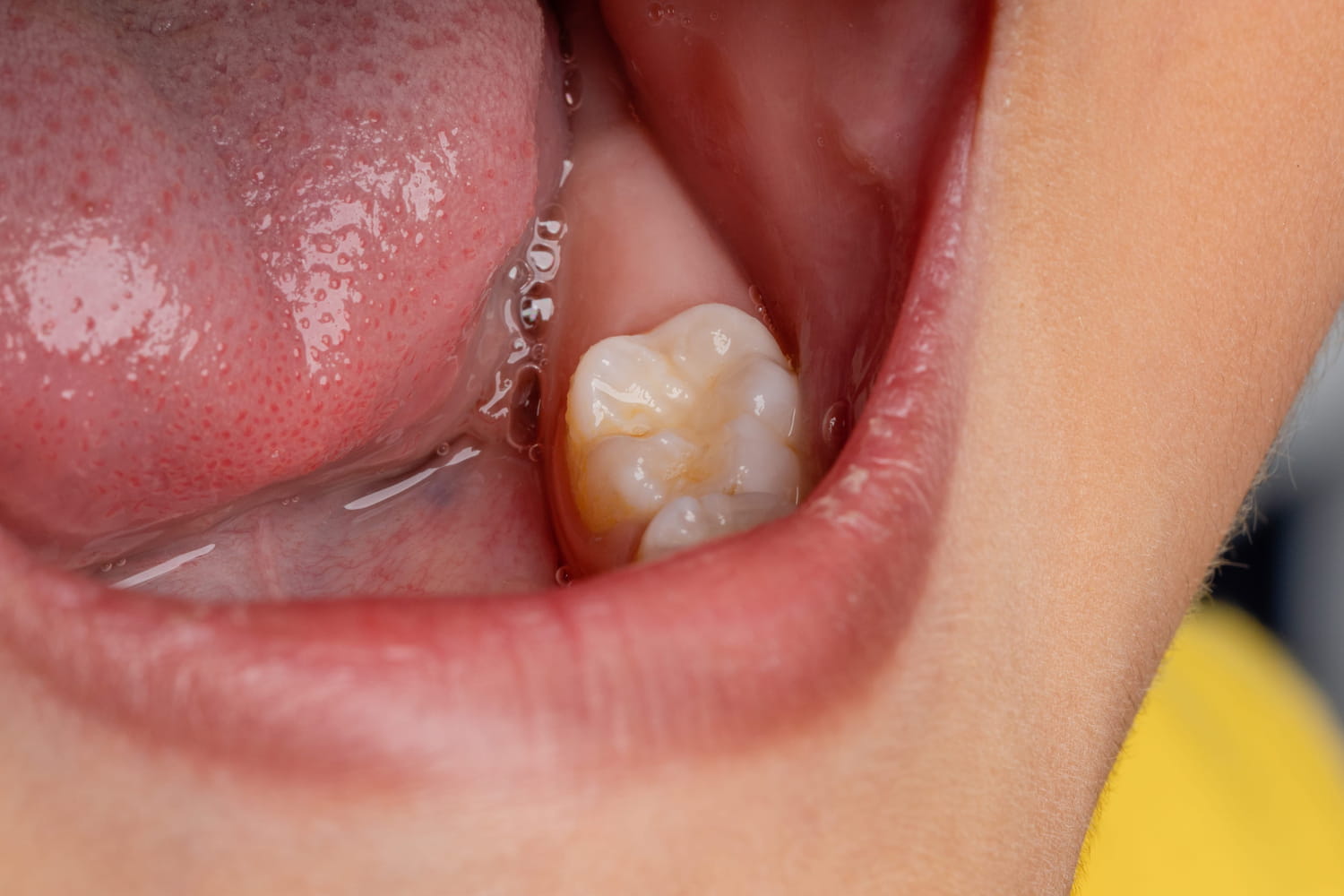
Generally appearing between the end of adolescence and the beginning of adult life, wisdom teeth frequently need to be extracted. It is also the most common procedure in oral surgery.
Wisdom teeth usually erupt in the mouth in late adolescence, with root formation ending during the twenties. They appear between the ages of 16 and 25, most often around 18. “Before their eruption it is said that wisdom teeth are impacted” specifies Dr. Flavie Kleinpoort, dental surgeon specializing in oral surgery. An examination by a professional and radiology will confirm the indication for removal of wisdom teeth. The consequences of the operation can be painful and swelling may appear locally. At the level of foodsome precautions are necessary during the first days. It’s what wisdom teeth surgery?
Definition: what is wisdom teeth surgery?
The third molarsalso called “wisdom teeth” appear from adolescence. They are located at the back of the second molars. “As they have less space in the dental arch than other teeth, they are at greater risk of complications. From the age of 16 on average, they begin to grow and can sometimes grow crooked, get in the way, or be painful. We generally have four wisdom teeth, but this can vary depending on the person, some have more and others less, or not at all”, explains Dr Flavie Kleinpoort. Wisdom tooth extraction is a common surgical procedure from 16 years old. The procedure may cause moderate pain, swellingwhich are part of the normal operating consequences.
“To find out if you need to extract your wisdom teeth, a clinical and radiological examination (panoramic x-ray and/or CT scan if necessary) is carried out by your dentist” explains Dr. Kleinpoort. Their extraction is necessary in different situations: “When they don’t have no room to exit normally or are in bad positionwe then speak of impacted teeth. In this case, they may cause pain or cavities on neighboring teeth. The growth of these poorly positioned wisdom teeth can also lead to misalignment of the teeth due to lack of space.replies the specialist. A wisdom tooth can also be extracted in case of pericoronitis (inflammation and infection of the gums around the partially erupted tooth).
The extraction of one or two wisdom teeth is carried out under local surgery in a dental office (by appointment). The total extraction of wisdom teeth, that is to say all four teeth, requires, a surgical procedure under general anesthesia. Hospitalization, most often on an outpatient basis, is sufficient. The procedure begins with local anesthesia, continues with the incision of the gum, then milling of the bone surrounding the tooth to extract it. Depending on the case, it will be necessary to separate the different roots of the tooth. Closure is done using absorbable sutures which disappear spontaneously in 2 to 4 weeks or will be removed in consultation if they are non-absorbable sutures.
How long does the operation take to remove wisdom teeth?
“The duration of the intervention varies depending on the difficulty and the patients but generally, it does not not exceed 45 minutes”, reassures the dentist.
The procedure is not painful in the vast majority of cases. Pain, of varying intensity, is a common symptom after wisdom teeth extraction, along with swelling and bleeding. The pain is localized at the level of the operated areas, knowing that she is often more important for the lower teeth only for the upper teeth. If one or more teeth are included in the bone, it is necessary to incise the gum and then countersink the bone. This gesture can increase the pain felt after the operation. “Pain is treated by applying ice (e.g. ice pack) on the cheeks, which also helps reduce edema and with more or less powerful analgesics. specifies the specialist.
Swelling of the cheeks (edema) is frequent and sometimes important, as well as small bleeding (for a few hours to one night following the procedure) and pain in the operated areas.
The advice of the dental surgeon is essential in the event of infection and/or fever.
“The ice pack app for at least 48 hours significantly reduces this swelling. Finally, a limitation of mouth opening may also occur. comments Dr Kleinpoort. The advice of your dental surgeon is essential when an infection and/or fever appears. Excellent oral hygiene is essential. This is why mouthwashes are prescribed. THE teeth and gums should be cleaned after each meal with an ultra-soft brush. There healing takes 10 to 15 days
What to eat after wisdom teeth surgery?
“It is recommended to use a mixed/liquid and cold food for a few days” recommends Dr. Kleinpoort.
What are the risks of wisdom teeth surgery?
Any medical procedure, even if well performed, carries a risk of more or less serious complications. They can range from dry socket (inflammation of the tooth socket) at a infection. In very rare cases we observe a temporary or permanent loss of sensation in the lower lip or tongue. There is in fact a sensory nerve (lower alveolar nerve) in the lower jaw which runs close to the tooth to be extracted. There is also, exceptionally, a risk of fracture of the mandible. “The ideal is toextract wisdom teeth at a young age, between 16 and 18 years old, because the formation of the tooth root is not completed, which reduces the risk of complications postoperative”, advises the dentist.
Thanks to Dr Flavie Kleinpoort, dental surgeon specializing in oral surgery.