





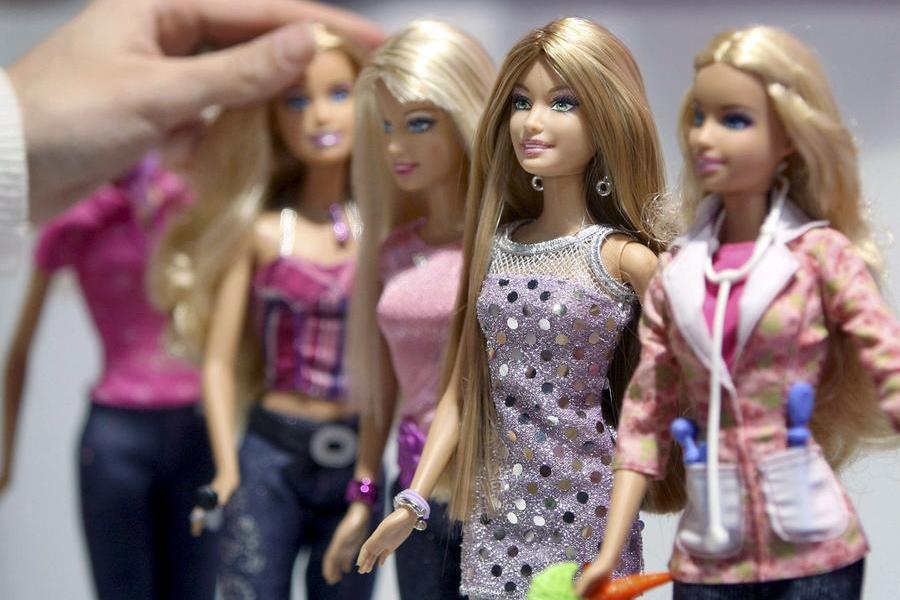
Born in 1959, Barbie is much more than a doll: she is a cultural phenomenon that has spanned generations, fashions, social transformations and battles over female identity. Its story begins thanks to Ruth Handler, American entrepreneur and co-founder of Mattel together with her husband Elliot Handler. Ruth watched her daughter Barbara play with paper dolls, imagining them as adults, with jobs, loves and independent lives. At the time, however, toys for girls were almost exclusively newborn dolls. From that intuition was born the idea of an adult doll that would allow girls to imagine their own future.
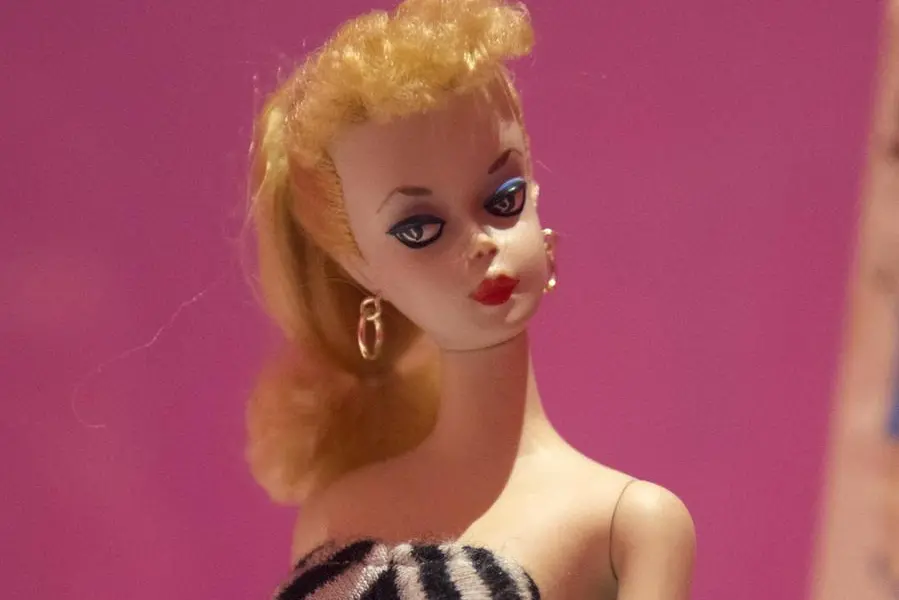
The inspiration came during a trip to Europe, when Ruth Handler discovered the German Bild Lilli doll, initially intended for adults. Returning to the United States, she had it redesigned and on March 9, 1959, Barbie debuted at the New York Toy Fair. The first Barbie wore a black and white striped one-piece, had a blonde or brunette ponytail, and cost three dollars. Her full name was Barbara Millicent Roberts, named in honor of Ruth’s daughter.
In the 1960s and 1970s, Barbie became the symbol of the modern American woman. She wasn’t just a fashion doll: she worked, drove, travelled. Over time he has interpreted more than 250 professions, often anticipating social changes. She was an astronaut in 1965, long before women actually reached space, then a doctor, lawyer, US presidential candidate, software engineer, pilot and scientist.
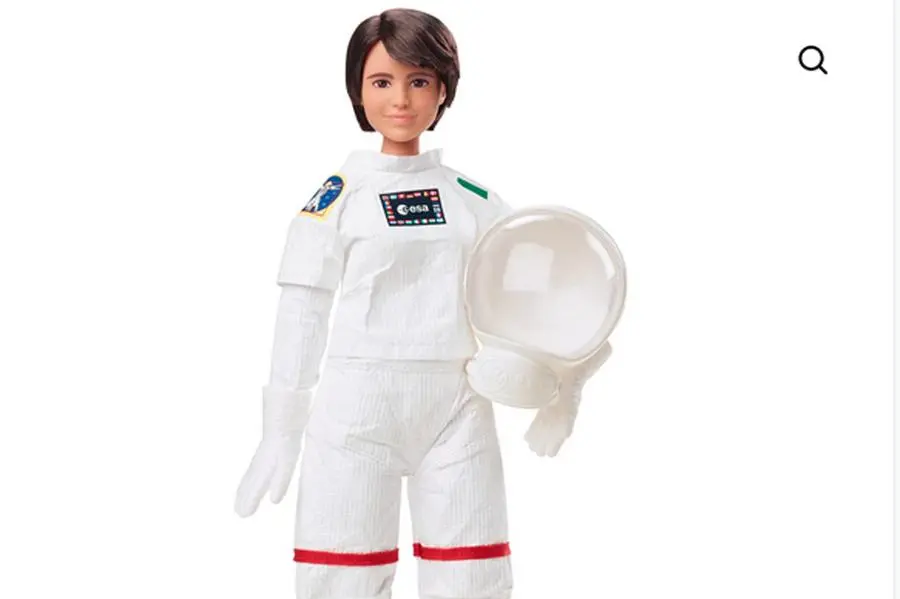
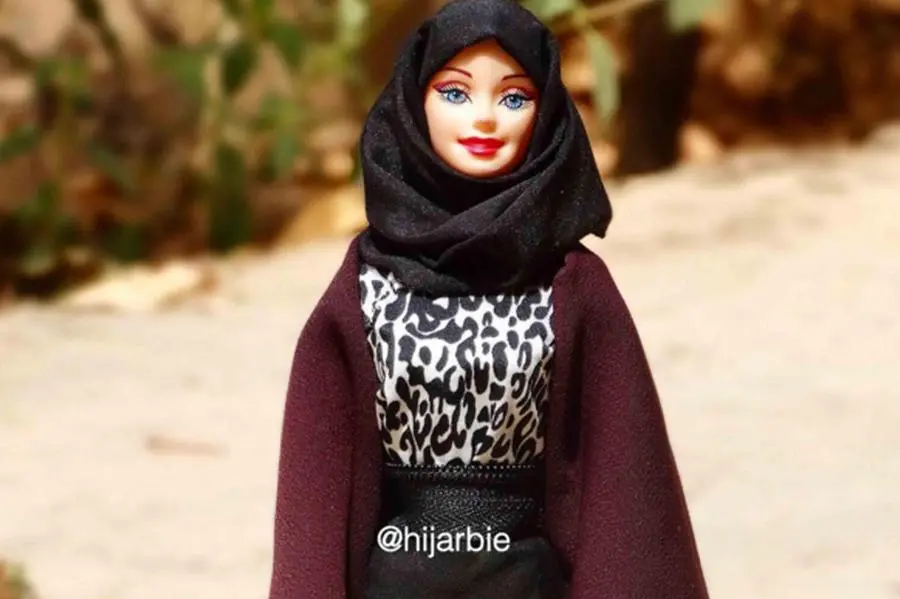
Alongside the success, there was no shortage of criticism. For decades Barbie has been accused of proposing an unrealistic female model: too thin, perfect, blonde and tied to external beauty. Starting from the nineties, and especially in the last fifteen years, Mattel has tried to transform the character, making it closer to reality and more inclusive. Barbie dolls came in different body types — curvy, petite and tall — with different skin tones, curly hair, almond-shaped eyes and features inspired by cultures from around the world.
In recent years, inclusiveness has become central. Barbies were created in wheelchairs, with prosthetic legs, hearing aids, vitiligo and Down syndrome. Mattel also recently presented an autistic Barbie, developed together with the Autistic Self Advocacy Network, equipped with noise-cancelling headphones, sensory accessories and features designed to represent the world of autism with respect and realism.
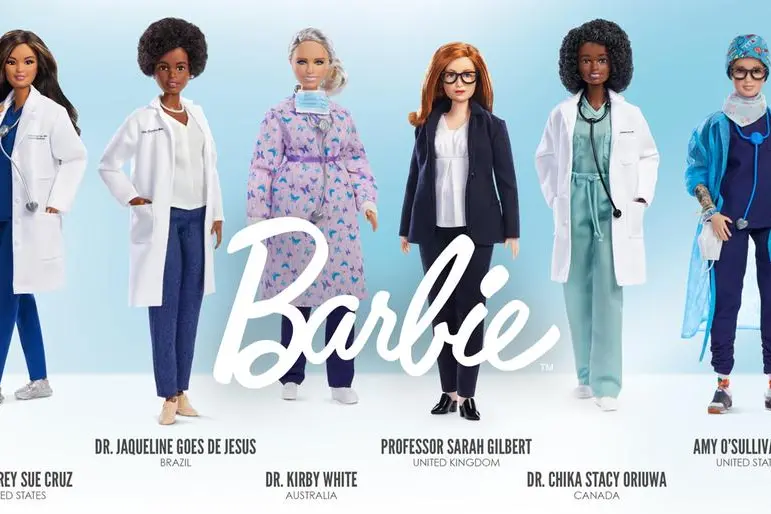
Barbie has thus gone from being an unattainable ideal to a mirror of contemporary society. While remaining a global pop icon, today he tries to talk about diversity, inclusion and the freedom to imagine oneself in ever new ways. A path that the film Barbie by Greta Gerwig has brought the world’s cultural debate back to the center of the world, once again transforming the most famous doll in the world into a symbol of its time.