
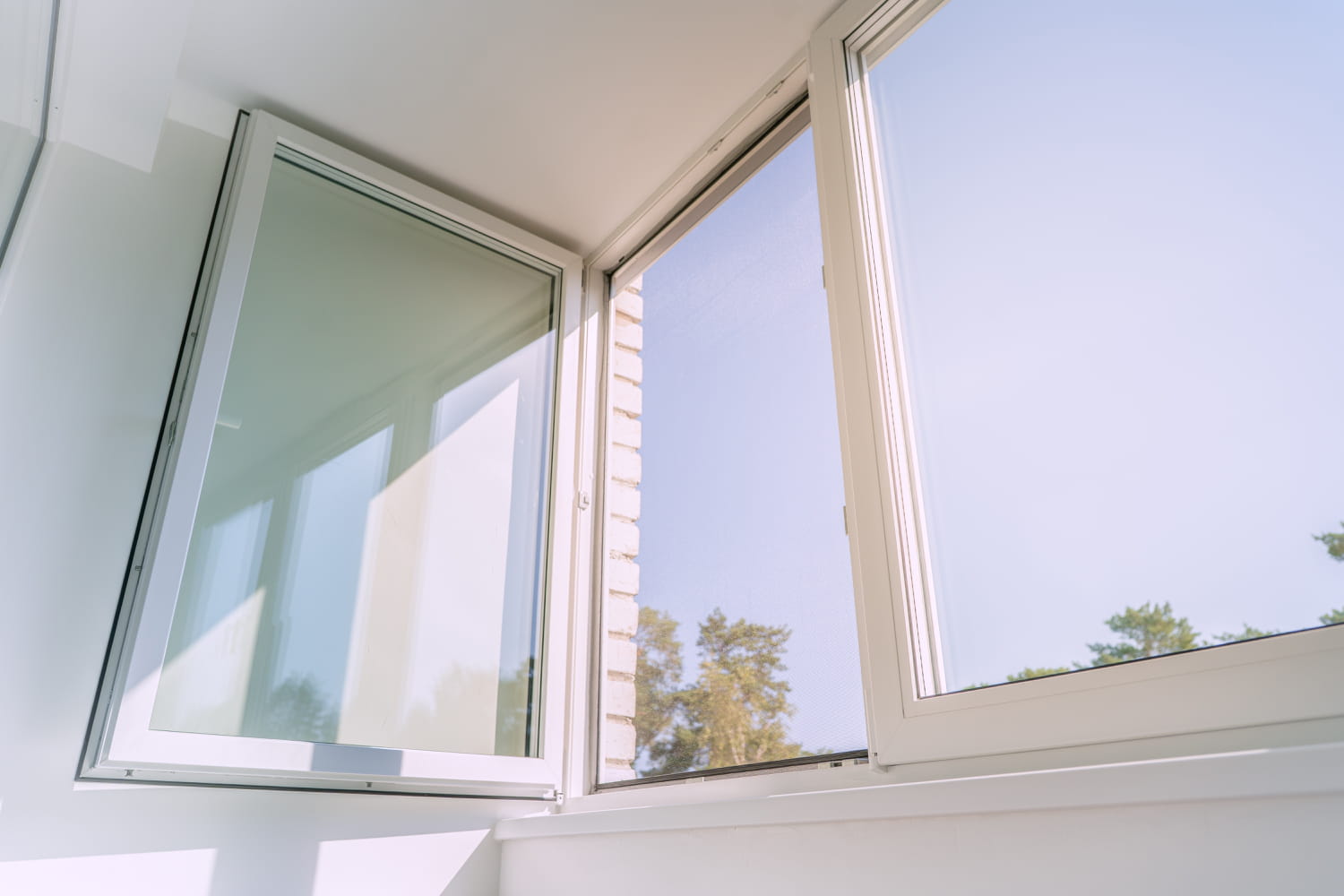





For a healthy home in spring, there is one part of your windows that should not be neglected and we tell you why.
From March onwards, many of us embark on the traditional spring cleaning. And everything goes into bringing a second wind to our home after a harsh winter: from the living rooms to the attic, including the terrace and the garden.
Despite drastic cleaning, there remains a detail that many of us neglect, apparently insignificant but which can cause unpleasant surprises. In winter, the cold and the condensation have weakened the joints, the dust has blocked the ventilation grilles, as a result the stagnant humidity ends up investing the walls and transforming into mold.
A problem that can get worse with a wet spring and spread into the corners of your interior if you don’t intervene. Humidity, once in the walls, creates mold and degrades the quality of the thermal insulation by impregnating the material, the house then becomes more difficult to heat with a feeling of permanent drafts.
An essential detail not to be overlooked during your spring cleaning: cleaning the air intakes of your windows. In fact, they can be blocked by dust, thus preventing their role of gentle ventilation. To avoid this, simply clean them using a vacuum cleaner and a cloth and take the opportunity to check the condition of the window seals. The goal? Detect a crack or hardening of the joints.
If after this cleaning, you notice persistent traces of condensation on the windows, this is a sign of a loss of sealing, indicating that you must act as quickly as possible. The right compromise for a healthy home is to check and clean the air intakes of your windows twice a year, in spring and fall.
To do this, use a sponge with a mild, non-greasy soap, otherwise the dust will stick and make maintenance unnecessary. And if the seals on your windows are damaged, don’t hesitate to replace them because a new seal will guarantee optimal sealing and a perfectly healthy home all year round.