





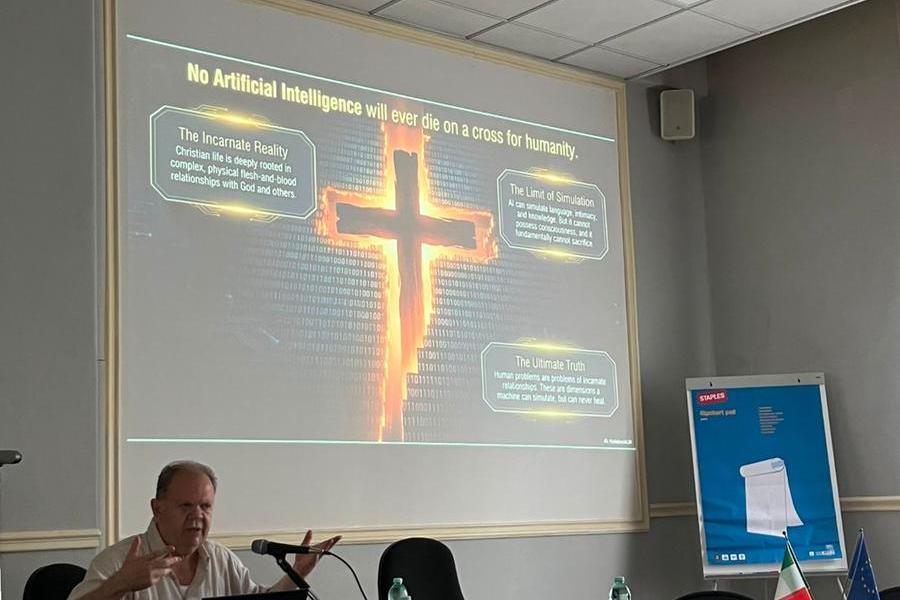
The thirtieth conference of the ECIC, the European network that brings together communicators, theologians and digital experts from different Christian Churches, is underway in Rome. The chosen theme — From prompts to prayers: artificial intelligence and authentic spirituality — immediately puts a decisive question at the center: how to live in the time of artificial intelligence without losing the human face of faith, communication and evangelization.
The meeting has a particular value because it arises from an ecumenical perspective. The different European Churches do not arrive with the same history nor with the same sensitivities. Some, especially in Northern Europe, have developed for years a careful and consolidated practice of digital as an environment of announcement, listening, participation and pastoral presence. Their experience helps overcome both paralyzing fear and naive enthusiasm. Digital is not just a tool to use, but a place to discern.
In this dialogue, Catholic reflection is intertwined with that of the Protestant, Lutheran and Reformed Churches, which have often experimented with greater continuity with forms of digital communication and online communities. The richness of the ECIC lies precisely here: not offering a single answer, but creating a space in which different traditions read together the challenges of AI, spirituality, truth and relationship.


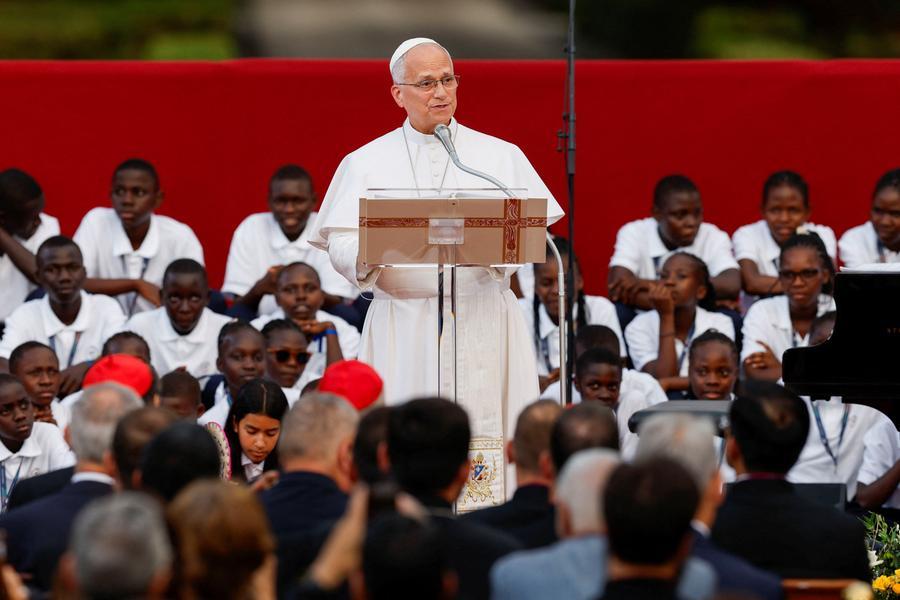
A significant moment took place on the afternoon of June 11, with the visit of the Vatican media participants to Palazzo Pio. The group was able to learn more about the work of the Dicastery for Communication and dialogue with the Secretary, Msgr. Lucio Adrián Ruiz, and with Alessandro Gisotti, deputy editorial director of the Dicastery. It was not only an institutional comparison, but also a very concrete one: How to communicate the Gospel in an ecosystem marked by speed, algorithms, polarizations and new forms of technological mediation?
The visit showed how the communication of the Holy See is also called to deal with the same question that affects the European Churches: use technologies without being used by them; enhance digital tools without confusing efficiency with communion; preserve the truth of the Christian message within increasingly rapid and fragmented languages.
At the bottom there remains the wait and the interest in the first encyclical of Pope Leo XIV, Magnificent Humanitas, which many look to as an important reference for Christian discernment on artificial intelligence. The heart of the question is not simply technical, but anthropological and spiritual: what does it mean to protect the human in a time in which machines produce words, images, decisions and even simulations of relationships?
From Rome, therefore, the ECIC sends a precious message: lArtificial intelligence challenges all the Churches and asks for shared discernment. No Christian tradition alone has all the answers. But together, in ecumenical discussion, the Churches can remind digital Europe that at the center there are not systems, data or algorithms, but the person, conscience, freedom and the living relationship with God and with others.