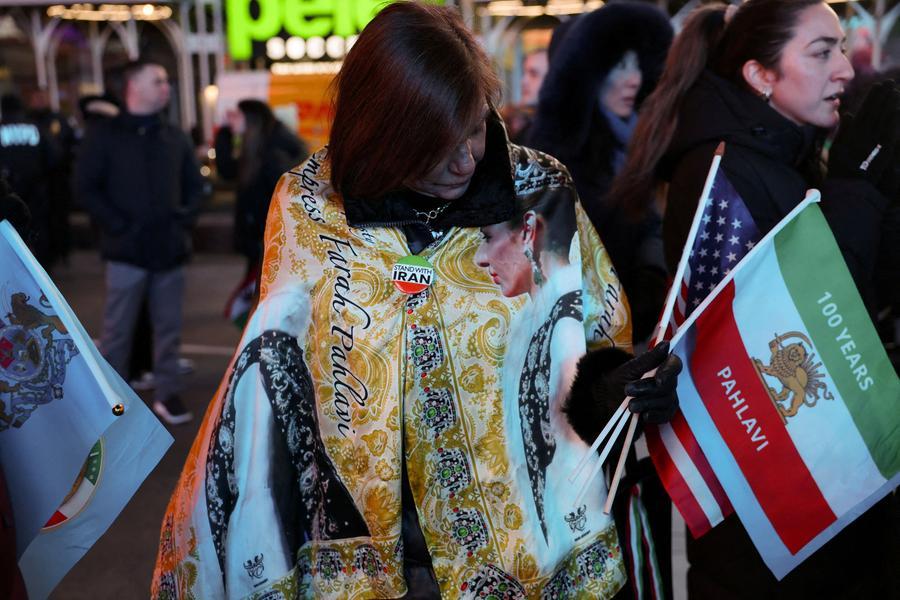





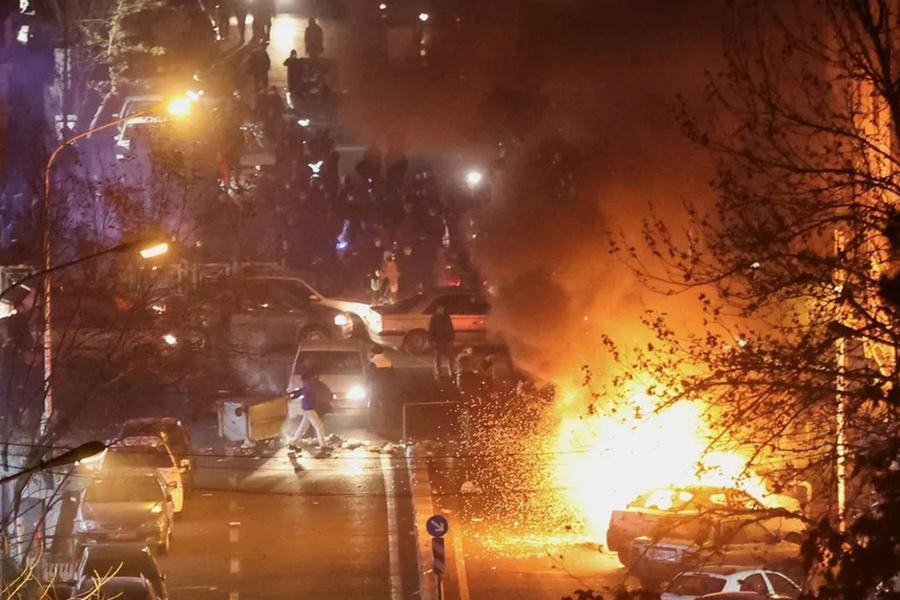
«This protest movement is something new for Iran. It is a revolt that arose from the situation of profound economic crisis and started from the “bazaars”, the small traders, the shopkeepers of the bazaar – the Tehran market, the heart of the Iranian economy -, i.e. those who were supporters of the ayatollahs’ regime. No one expected the protest to start right from the bazaar, from the workers who traditionally supported the Islamic regime system, with the closure of the shops. And then the protest gradually spread to the whole society. From Tehran this movement spread to the rest of the country, to other cities and evolved into a strong, decisive demand for the overthrow of the regime.”
Talking is Zahra Toufighjust turned 50, Iranian jurist, arrived from Tehran to Rome for study reasons in 2005. Activist for human rights and women’s rights, in Italy she works as a legal guide in reception centers for asylum seekers and holders of international protection and was one of the founders of the “Free Iranian Women” association.
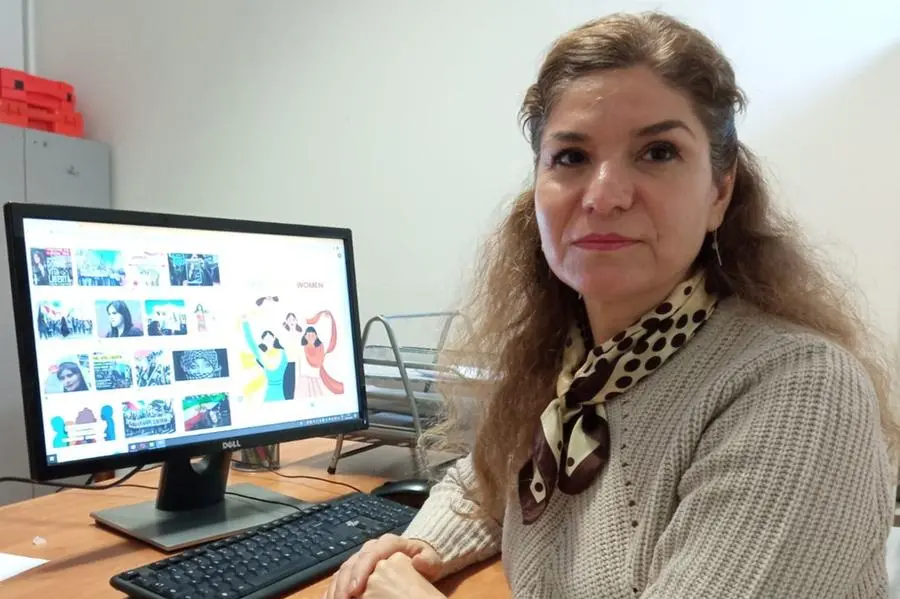
Zahra Toufigh, Iranian jurist and activist, resident in Italy since 2005
«This time the Iranian people are not asking for reforms, a change within the system, but the fall of the system itself. This is why it is a completely new moment, different from the previous ones.” Very different – explains Toufigh – also from the so-called Green Wave, the protest movement born in 2009, following the presidential elections which saw two reformist candidates opposing president Mahmud Ahmadinejad, in office since 2005, considered an expression of the reactionary line. «In that phase it was the supporters of the candidates who wanted to bring reforms who took to the streets, they were not asking for the overthrow of the regime. Today things have changed, Iranian society has matured a lot compared to the past.”
In recent days he has kept the world in suspense the possible imminent US military intervention alongside those who are implementing the revolution, threatened several times by Donald Trump, who spoke of strong action if the Tehran regime carries out death sentences on protesters. For their part, Iranian authorities have threatened retaliation against US forces in the region in the event of an attack. Now, it seems that Trump has held back at least for the moment on the possible intervention, after receiving information that the regime would have stopped the massacre and would not implement an execution plan. «I’m sorry to say it, but for me the hope of Trump and the United States of saving Iran is false”comments Toufigh.
«Achieving democracy by suffering a military attack from the outside, from other countries, I don’t think is the desire of the Iranian people or of the majority of them. It is clear that the Iranians ask not to be abandoned. Internally, Iranian society is very varied, we are talking about a state of 90 million citizens, with 70% of the population under 35 years of age. The movement is vast, with many souls, so the requests are very different. The last remaining option for many is military intervention, but I think that for a large part of the population this is not the solution. If we look at history, with what military attack was democracy brought to a country in the world? What examples do we have? Afghanistan? Iraq? Syria? Can we say that in these countries external intervention was decisive? As an Iranian living abroad, I would not want a military attack on my country of origin. But how much strength can my voice have? This is why we must give a voice to the Iranians.”
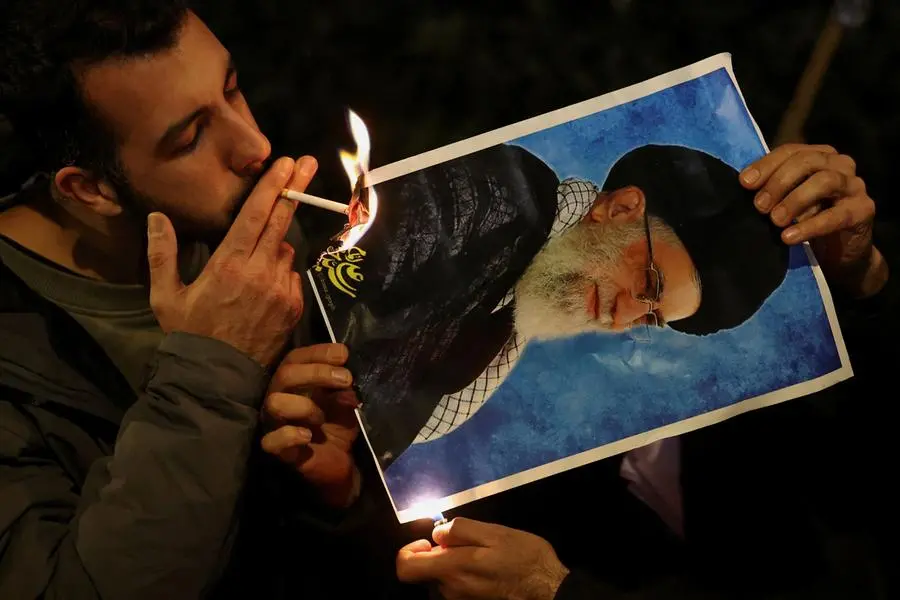
An Iranian protester in London protests in support of his compatriots
(REUTERS)
The jurist adds: «We must understand that the Iranian people, having reached this point, want to decide for themselves. We know well that strategically Iran has always been a land of disputes between other states. Now it is the terrain of conflict between the United States, China and Russia. If the US were to attack Iran it would not be to save the Persian people and culture, but to defend their interests against Moscow and Beijing. And if today many Iranians are asking for external intervention, I interpret this request not as a real expression of the will of society, but as an appeal dictated by the desperation of the people, who at this moment sees no other path ahead of him.” How do you imagine Iran’s future, in a possible – and hoped for – post-Ayatollah regime? “I would like there to be a transition guided and supervised by the United Nations and an immediate referendum with which the people will decide what institutional form to give to the new Iran.”