Not all fruits have the same impact on health. Richer in saturated fats than butter, this very popular fruit increases cholesterol. You should eat it in moderation, warns nutritionist Raphaël Gruman.
When we think of the enemies of our arteries, we imagine butter and meat. But a very popular fruit displays a surprising nutritional composition, since its fat is made up of almost 90% saturated fatty acids. Consumed in excess, these bad fats can disrupt the blood test and impact cardiovascular health.
This fruit “is a plant exception because it uses saturated fatty acids, more stable, as an energy reserve for its germination“, explains nutritionist Raphaël Gruman. An ideal survival strategy for the plant, but a real danger for the blood test if you consume it daily. “On LDL cholesterol, its impact is real: its richness in lauric acid increases “bad” cholesterol, even if it also raises “good” cholesterol.“, he continues.
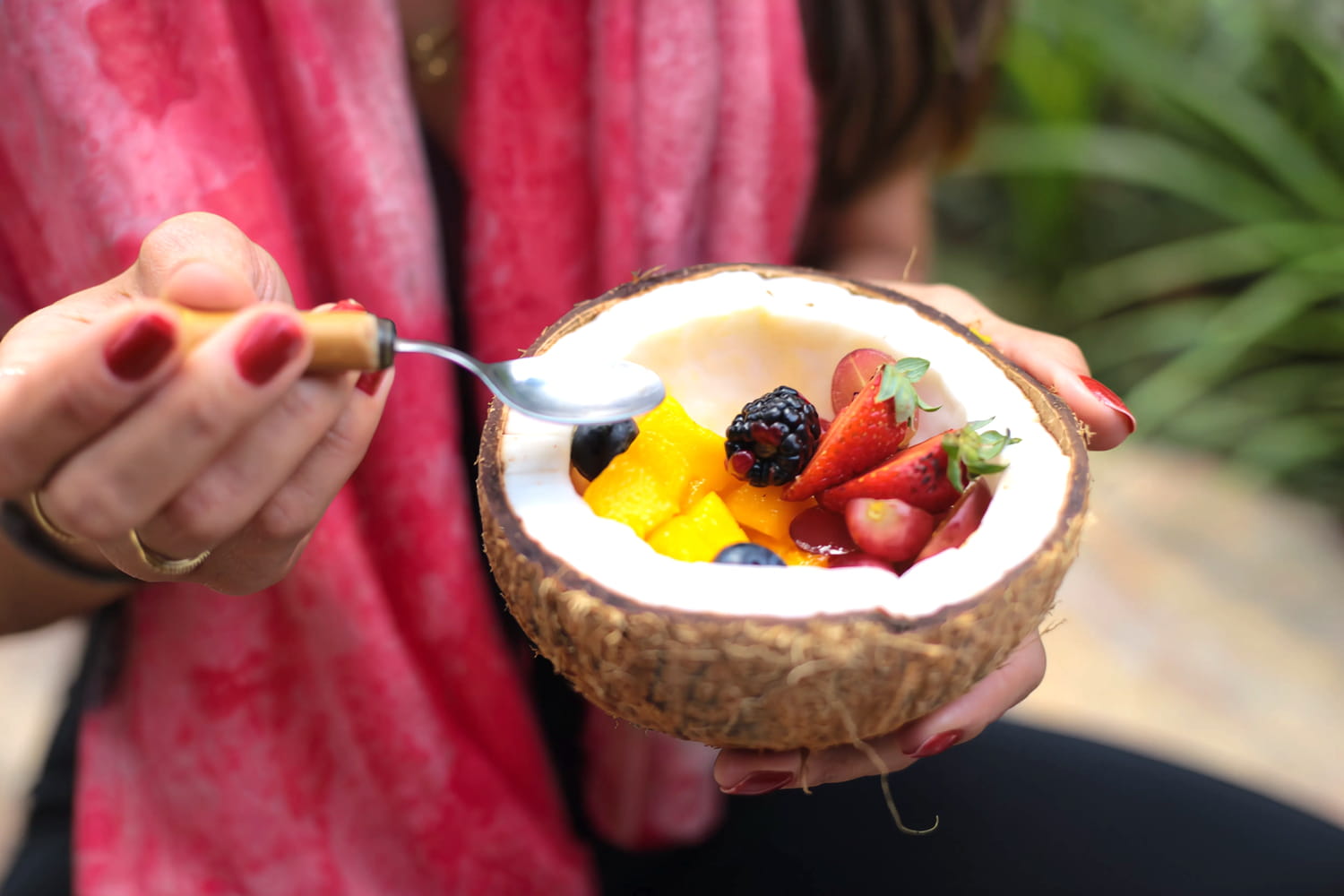
We love it in summer, but this very fatty fruit is coconut. Should it be banned? “Not necessarily” answers our nutritionist. But you have to know how to choose the right form to limit the risks. “In cardiovascular practice, it is recommended to moderate your consumption of coconut, especially in the form of concentrated oil. Instead, we favor the fresh flesh of the walnut, rich in fiber which slows down the absorption of fats.“, advises Raphaël Gruman. In terms of quantity, you can consume up to 150 g of fresh coconut (1/3 of the flesh of a whole coconut) or 1 brick of 200 ml of coconut cream per week to make a curry or a sauce, ideally divided into several portions. Coconut water contains almost no fat: it is super healthy for the cardiovascular system, provided you choose it plain and without added sugars.
This tropical fruit should therefore not become your daily source of fat, otherwise your blood tests will panic. To keep your arteries clean and your heart in great shape, the golden rule remains moderation. As the nutritionist so well reminds us: “Balance lies in an overall Mediterranean-style diet, where certain foods remain occasional pleasures“.
To clean and protect your arteries, also rely on nuts (walnuts, almonds) and avocado, champions of unsaturated fats which actively reduce bad cholesterol. Also think about small red fruits (raspberries, blueberries), full of powerful antioxidants which prevent fats from oxidizing and blocking the vessels. Finally, apples and citrus fruits, rich in pectin (a soluble fiber), act like real sponges by trapping cholesterol in the digestive tract before it passes into the blood.