




John 14.1-6 – Friday of the Fourth Week of Easter
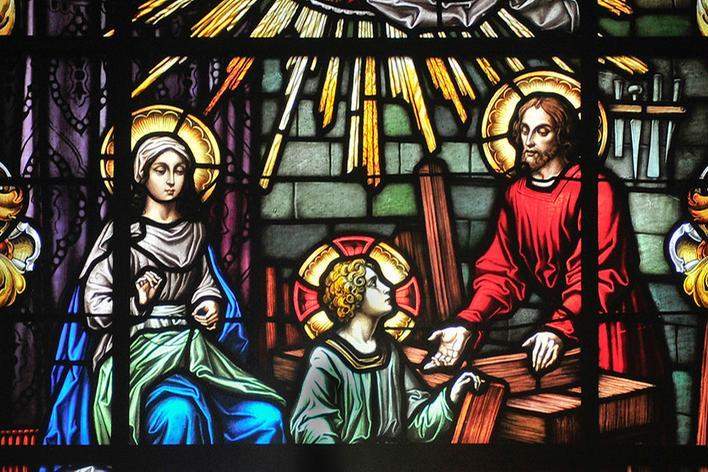
Every time we think of the figure of Joseph we should do so with great gratitude, not only for what he did for Jesus and Mary, but for what he represents for each of us. In him we see a possible, concrete Christianityembodied in everyday life. Joseph, in fact, is not only a model of spiritual life in the abstract sense of the term, but he is the one who shows us how spiritual life is intertwined with the concreteness of existence. In him there is no separation between faith and life, between prayer and work, between interiority and daily responsibility.
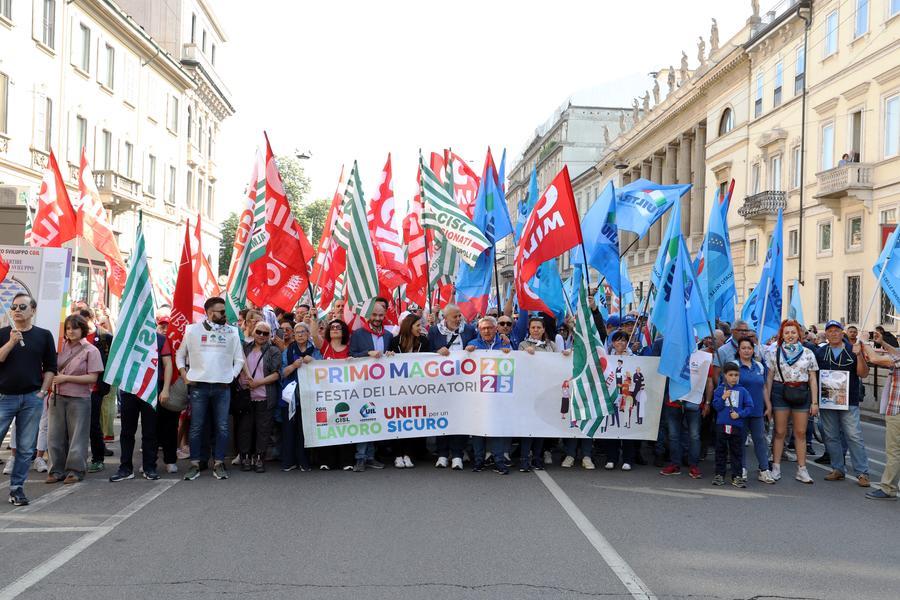
Remembering Saint Joseph the worker does not simply mean talking about work to “sanctify” it, but understanding that work is one of the privileged places of sanctity. It is within what we do every day that the truth of our faith is at stake. The actions we perform can be experienced superficially or with love. They can be simply performed or offered. This is exactly where the difference makes. Joseph teaches us that nothing is insignificant. That every gesture, every effort, every responsibility can become a place of encounter with God. Not because it changes what we do, but because it changes the way we live it.
Holiness, then, it is not something extraordinary reserved for a fewbut it is the possibility of experiencing what is ordinary in an extraordinary way. And this is precisely Joseph’s lesson: whatever concrete thing we do in our lives can become a matter of holiness, if it is lived with love and in the presence of God. This is why, in reference to Jesus in today’s Gospel page, indicating him as the carpenter’s son is not an offense but a privilege.
Friday 1 May 2026 – (Friday of the Fourth Week of Easter)