





To explain K-pop, instead of mincing words and going into too much detail with technical terms such as comeback, title track and difference between EP and mini-album, one concept would actually be enough: community.
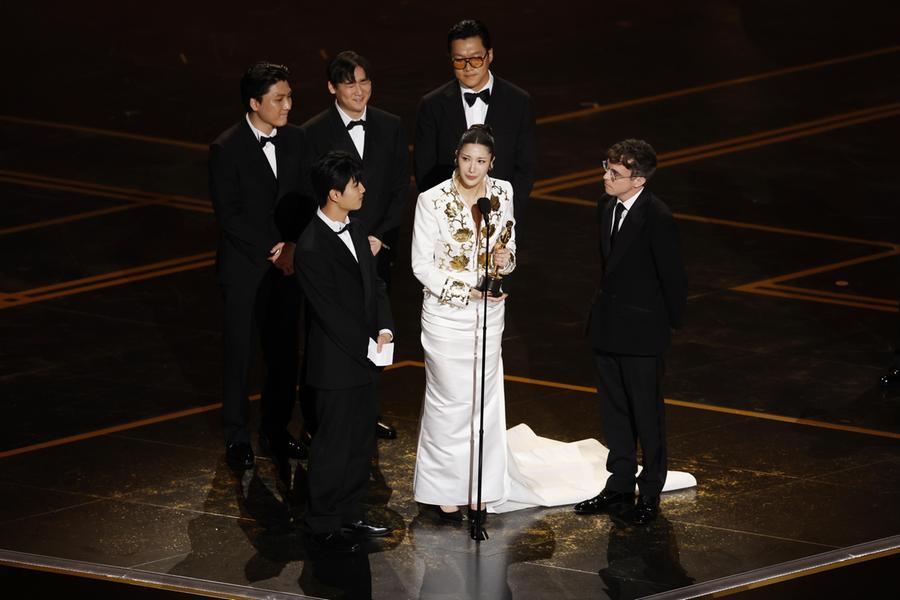
The reason why the Korean musical genre – where K stands for Korea – is becoming popular and attracting an increasingly heterogeneous audience, it is precisely in its ability to involve the public and ideally reduce the distance between artists and fans. For a few months, even more so after last night’s Oscar triumph of the Kpop animated film Demon Hunters, everyone has been realizing the global and cultural phenomenon coming from the Far East. The Netflix feature film is the most watched in the history of the platform and the symbolic song sung by the female band protagonist of the HUNTR/X story, Golden, is no longer only sung by the little ones, but is even played in discos.
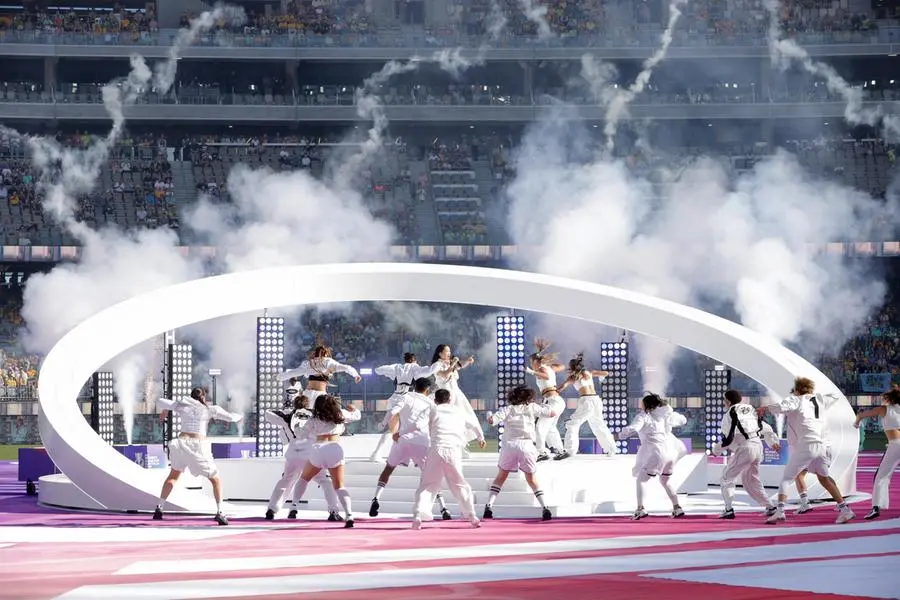
It’s easy to fall into a simplification about why children are fascinated by this world. Certainly the stratagem of animation has helped attract a new generation of fans, but even before that there are songs with captivating and irresistible refrains, choreographies and ballets to imitate and train on. It is no coincidence that some of the most important groups in the world of the genre include moments dedicated to dance challenges with the public during their concerts. It happened for example with the Stray Kids at the Olympic Stadium in Rome last July and the protagonists of the challenge who were filmed on the big screens were often the little ones. And then there are the stories. In Kpop Demon Hunters fantasy naturally takes over, but the message of music as a lifeline and unifying element is the closest to reality one can imagine.
To understand this, it is necessary to take a step back and go back to the term with which K-pop artists are defined: idol. Idols who must inspire and make their audience dream and who metaphorically represent the realization of a dream. In South Korea the entertainment industry, not only that of music but also that of K-dramas (Korean TV series), provides training on all fronts starting from a young age. You audition to be selected by an agency, the equivalent of a record label but with many more sections and branches, and once chosen you become trainees, aspiring stars ready to make their debut. From that moment, through reality shows or academies managed by the same company, we prepare and try to “survive” (in the case of reality shows there are eliminations) to become part of the band. Already from this moment we begin to establish that bond with the public that makes K-pop special. Fans see their idols grow, overcome difficulties and take steps forward. They feel part of a community, giving themselves a name and sharing passions and ideals.
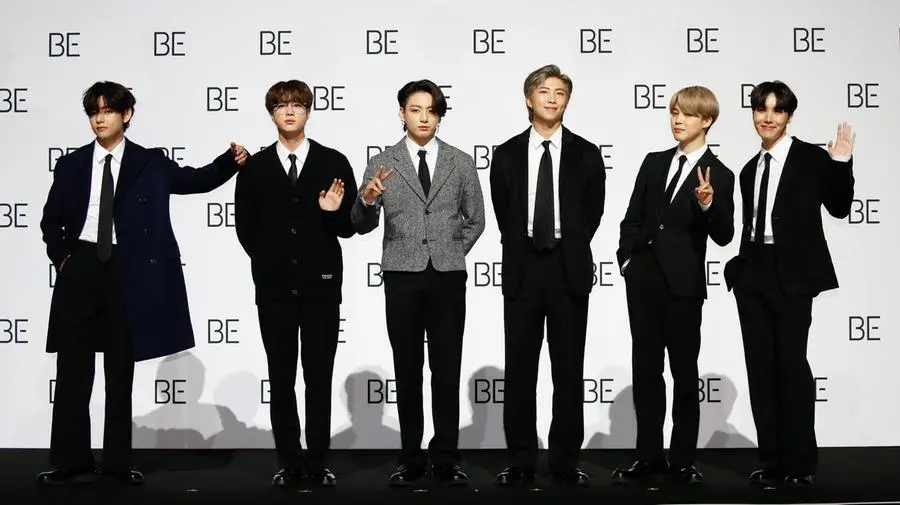
One of the most famous and close-knit fan bases in the world is the ARMY, linked to BTS. The group composed of seven artists RM, JIN, SUGA, j-hope, Jimin, V and Jung Kook, is one of the most important in the history of the genre and their live return scheduled for Saturday 21 March is among the musical events of the year. The Bangtan Boys, this is another of their names, represented a turning point for the genre because from the first vlogs in 2013, they brought participation and connection with fans to a higher level. This has united millions of people from all over the world who are in contact and carry out initiatives of all kinds, from charitable donations to the opening of dance schools. For this reason, what we are seeing in recent times is only a new generational wave of a movement that has been underway for decades, which began in the 1990s in Korea and exploded throughout the world from the early 2000s onwards.
Be careful though, K-pop is not a genre just for children as you might think. Don’t be fooled by the lightsticks that appeared among the seats of the Dolby Theater yesterday on Oscar night during the performance of Golden. Yes, the very elaborate and well-finished gadgets are part of the game, but they involve everyone. The average age of fans of the genre changes depending on the group because, in fact, we grow up together. There are fans who approached that world more than ten years ago, following bands like BIGBANG, EXO and BTS who today pass on their passion to their children. K-pop itself is described and “organized” into generations. BLACKPINK, another very successful band, for example, are included in the third generation, one behind ATEEZ who are fourth.

Music, colors and history are the elements that make the difference and that initially bring the little ones closer. Over time, however, they evolve, themes and concepts change, and this is why fans are not passengers, but remain. United by a sense of belonging that transcends humming refrains and dances, they are part of something that makes them protected, special and ideally part of a dream.