




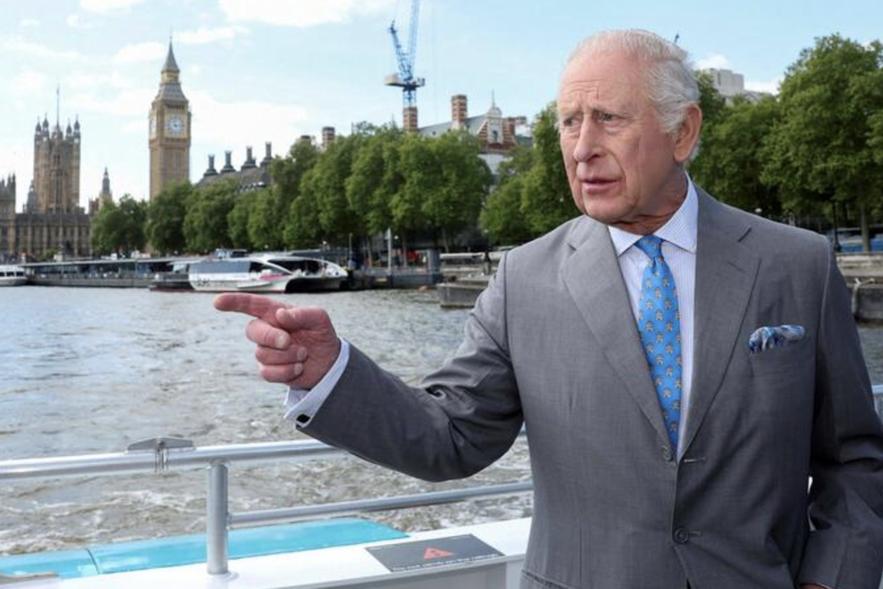
In a television message released yesterday, King Charles III announced that his cancer treatments may be reduced in 2026, signaling significant progress in his treatment path and sending a message of encouragement on a national scale about the importance of early diagnosis. This announcement comes almost two years after the first public communication about his illness and takes on a strong symbolic, as well as human, value.
An announcement that goes beyond mere palace news
The 77-year-old king chose to broadcast the message as part of the Stand Up To Cancer campaign, promoted by Cancer Research UK and the Channel 4 television channel. In the video, recorded a few weeks ago, Charles III underlined that progress in his treatment was possible thanks to three key elements: early diagnosis, effective medical intervention and rigorous adherence to medical prescriptions.
Although he did not reveal the specific type of cancer he suffers from — a decision consistent with a tradition of discretion regarding the personal health of sovereigns — the announcement is seen as a moment of meaningful sharing with British subjects and the international public, accompanied by a call for active prevention.
Talking about “reduction of treatments” is not equivalent to an end to therapies or a complete remission of the disease. Oncology therapies can be divided into different phases – from intensive treatments to maintenance or control cycles – and a reduction can indicate that the disease responds positively to the therapeutic path undertaken, allowing doctors to scale the intensity of intervention in favor of a more cautious and monitored phase of treatment.
King Charles’ message does not focus on medical detail, but rather focuses on personal experience and the collective value of a health culture based on prevention and information.
A personal testimony at the service of a collective cause
The king dedicated a significant part of his speech to promoting cancer screening, highlighting that millions of people are not updated on available prevention checks and underlining how early diagnosis can radically transform the outcome of a treatment process.
Looking at British national statistics, it is estimated that a significant percentage of the population does not regularly adhere to preventive screening programs for common cancers, such as breast, colorectal or cervical cancers. The Sovereign’s appeal goes in the opposite direction: to highlight that early control can literally save lives.
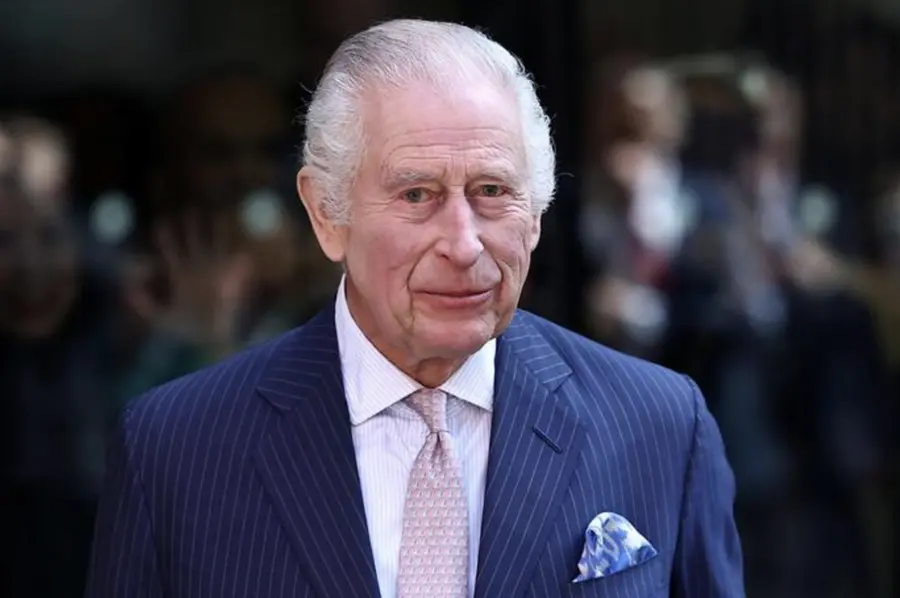
A message that goes beyond the borders of the United Kingdom
King Charles’ announcement has international resonance not only for its institutional position, but because it touches on a universal theme: oncological disease as an experience shared by millions of families around the world. His speech represents an example of how public figures can use their visibility to break taboos, promote health awareness and encourage preventive behaviors.
King Charles III’s declaration – which sees a reduction in treatments in the next year thanks to the positive response to the treatment – must be read in a double key: as a sign of personal hope and as an invitation to collective responsibility in the fight against cancer. In an era in which scientific research is making significant progress, the warning to early diagnosis is not a simple slogan, but a health imperative that can make a difference for individuals and entire communities.
As part of our end-of-year reflections, the testimony of the British Sovereign reminds us that health, prevention and solidarity remain fundamental values to be cultivated, both in private life and in building the common good.