




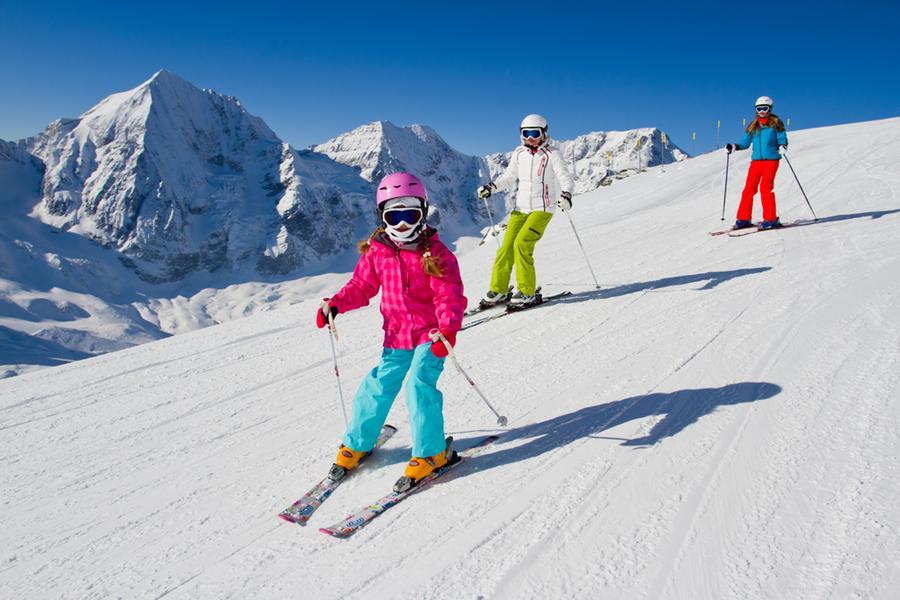
This year’s snow season brings with it something new that will change the face of our mountains forever. If until last season the helmet was a compulsory travel companion only for those under 18 years of age, from this year the music changes: head protection becomes a universal obligation. Italy is the first nation in the Alpine region to take this step, focusing everything on safety in view of major international events such as the Milan-Cortina 2026 Olympics.
The heart of the change is the Sports Decree n. 96/2025which extended the obligation to anyone who skis, snowboards and sleds. It doesn’t matter if you are a veteran with many years of experience behind you or if you are facing your first school camp: if you are on the track, the helmet must be there. And well fastened too. The obligation applies to all equipped skiable areas, including training slopes and snow parks.
However, be careful not to dust off old motorcycle or bicycle helmets. The law is clear: protective headgear must be approved according to the European regulation CE EN 1077. For those who decide to push their luck, the consequences are not just related to health. In fact, the police have intensified checks along the runways and at the boarding points of the facilities. The first time you are caught red-handed you risk a fine of between 100 and 150 euros. As regards repeat offenders, the authorities may proceed with the withdrawal of the ski pass for a period of 1 to 3 days.
But the new safety package doesn’t stop at head protection. Two other pillars remain confirmed (and more controlled): insurance and alcohol testing. In fact, every skier must have a civil liability policy for damage to third parties (it can be purchased with the daily ski pass if you don’t already have it). Furthermore, just like on the road, skiing under the influence of alcohol (limit 0.5 g/l) or drugs is strictly prohibited. Tests on the slopes are now a frequent reality.
Many skiers were already used to wearing helmets by personal choice, but this new rule transforms prudence into a civil duty. The objective is not to punish, but to drastically reduce head injuries which still represent one of the main causes of hospitalization in the mountains.