




A side effect of the Crans Montana tragedy is the request from many quarters to make skin tissue and hair available for patients currently being treated. Skin donation is one of the possibilities that can be added to organ donation after death. The donation of hair, however, takes place from the living and allows – among other things – to create wigs for patients whose scalp has been damaged due to a burn (but it can also be used for chemotherapy patients and in other particular situations).
While listening to these appeals and requests, the mind automatically goes to the many sequelae, not only physical, but also psychological that very young people involved in an accident of this nature and severity will have to face. Because the problem for them will not just be healing from burns and organ damage caused by heat and intoxicationbut also living with the permanent damage that they have caused on their body.
And this is all the more true and impactful the younger the age of the victimsgiven that in Crans-Montana the people who survived the fire, in many cases, are teenagers who have not yet reached the age of majority. Theirs is a very delicate age. The body is at the height of its vigor and the care of the body, as well as its mentalization (i.e. the ability of the very young to learn to think of it in all its functions and to consider its many implications for adult life) belong to this phase of growth, representing one of the most important evolutionary tasks. Body image today builds a determining portion of one’s identity. It serves to present oneself to the world, but also to obtain recognition and value. Never before has there been an enormous association between the perception of one’s own value and aesthetic image in the developmental age. The world of social media, where everything has value based on how it appears, which rewards what is shown regardless of the objective competence of those who exhibit that body in a social showcase, has generated a level of anxiety and concern for one’s body image which concerns all adolescents, but in particular girls, especially those under the age of 16.
When these boys and girls go and see in front of a mirror how their image has been changed by the burns and operations they have been subjected to in recent weeks, they will have to redefine many things, which are not only connected to the aesthetic dimension, but also to their own identity and the perception of their own value. They will see themselves as different from what they were, they will perceive themselves as having changed in their body due to an eventuality for which they have no responsibility, they will have to fight with the fear of appearing “unwelcome” or “unpleasant”, and this perception could concern not only what happens in the relationship with others, but what also happens in their deep world, in the relationship with themselves. Of course, they will be prepared, accompanied and supported by the psychological teams who are constantly at their side and their families during these weeks. It won’t be easy.
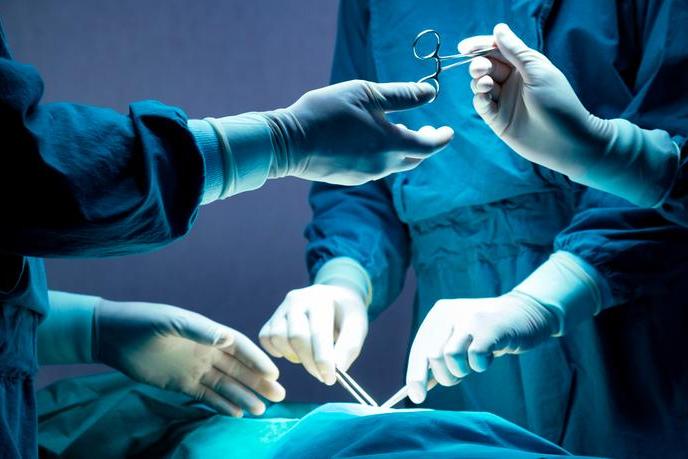
In this they will be supported by the incredible progress that plastic and reconstructive surgery has been capable of in recent years. We often hear about this branch of medicine for body modification interventions for purely aesthetic purposes, instead the role of this medical discipline is often to restore a life worthy of the name people whose bodies have been disfigured and marked by adverse events that were never chosen, but suffered.
The work of the medical-health teams who took charge of the care and recovery of these patients is incessant and comprehensive. In this our nation and what is happening at the Niguarda Hospital, from the first day on the front line for this emergency, represents excellence to be proud of.