





According to a study conducted by a psychologist, this behavior betrays a cognitive functioning shared with the greatest geniuses in the world.
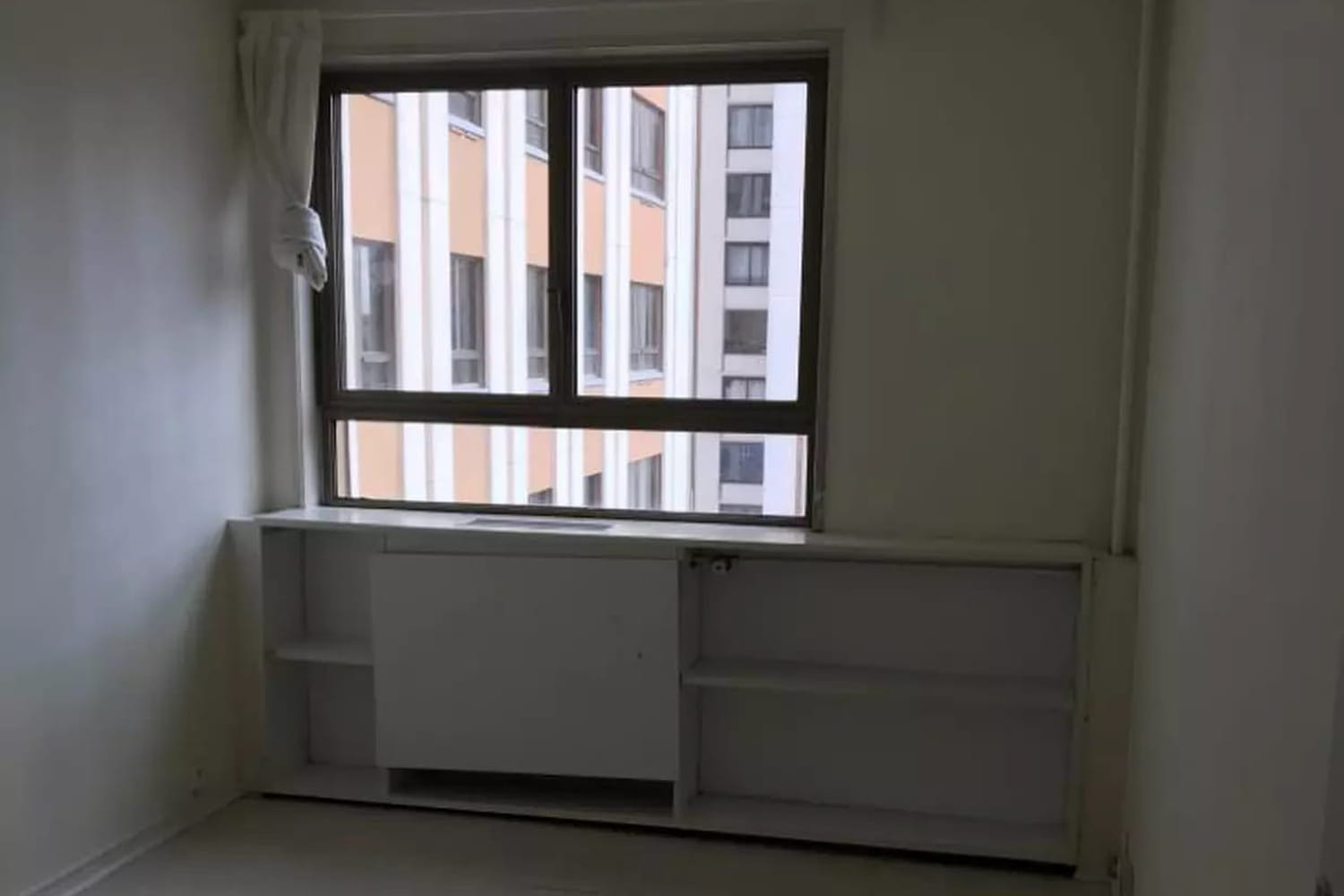
In psychology, certain behaviors or attitudes say a lot about our personality. For example, having the habit of leaving your cupboards open is not trivial and is linked, according to a study, to a certain form of intelligence shared with the greatest geniuses of this world.
A team of researchers led by American psychologist Kathleen Vohs placed participants in two environments: one perfectly tidy, without visual clutter and with closed cupboard doors, the other cluttered with papers and various objects. The researchers then asked the participants to imagine new uses for table tennis balls. The further the idea strayed from the primary function of the ball, the more points it scored. The people who were in the messy room gave ideas that were considered more interesting and creative than the others. By extension, these people would have a “bubbling” mind and a tree-like way of thinking: a single thought triggers ten others simultaneously, which generates dazzling associations of ideas.
This “busy” way of thinking is typical of great geniuses like Albert Einstein or Steve Jobs, known for their chaotic offices. For them, clutter or an open cupboard door allows everything to be within sight, which stimulates idea connections and innovations. Conversely, closing a cupboard is a “micro-task” which interferes with more noble reflection: this is what we call cognitive efficiency. Where the norm imposes aesthetic ordering, genius favors its mental load, refusing to waste energy on a superfluous gesture, indicates the psychologist in her study published in Psychological Science. These spirits hate emptiness and boredom. If they are not nourished by a challenge, a puzzle or a creation, they begin to ruminate. This is why they often neglect everyday tasks (like closing the cupboards): they are too simple and offer no intellectual stimulation.
There is also another side of the coin. In psychology, leaving a cupboard open is also a sign that we are having difficulty closing a loop: once the object has been retrieved from the cupboard, the brain has already moved on to the next idea and “forgets” to complete the current action. It’s a bit like a computer having too many tabs open. If this increases creativity, it also ends up creating visual pollution which tires those around you, including those responsible for it. By living amidst unfinished tasks, the mind ends up exhausted under the weight of all these “open tabs”. Genius may need disorder to invent, but he also needs, from time to time, to close the doors to let his brain rest in peace.
Closet doors open or closed? The psychologist does not indicate whether one behavior is better than the other. If having open cupboards can be a catalyst for creativity, don’t forget that for those around you, this disorder can be a source of stress or visual fatigue. It’s all a question of balance and rules in the home: for example, keep your cupboards open to let inspiration in, but know how to close them from time to time to give your mind a visual rest.