




Pope Leo XIV has issued one of the strongest warnings yet about artificial intelligence, saying the technology risks deepening job insecurity, widening inequality and leaving more workers questioning where they fit in an economy changing faster than they can realistically adapt.
In a major Vatican document released Monday, Leo said AI is advancing at a pace society is struggling to absorb. While governments and technology companies continue racing ahead, workers across industries are already watching parts of their jobs quietly disappear into software systems, automation tools and algorithms.
For a growing number of people, the conversation around AI no longer sounds futuristic. It sounds personal.
Office workers are seeing tasks they once handled manually completed in seconds by AI systems. Younger employees entering the workforce are questioning whether careers will still look stable ten years from now. Some workers are constantly retraining just to avoid falling behind. Others are beginning to wonder whether stability at work still exists in the way it once did.
Leo’s encyclical, titled Magnifica Humanitaswarned that technology must never reduce human beings to economic functions or disposable labor.
He didn’t reject AI himself. But he warned that the push for technological dominance is moving faster than society’s ability to deal with the financial and social consequences arriving behind it.
Work Is Starting to Feel More Unpredictable
One of the document’s strongest sections focused on employment, wages and inequality. Leo warned that AI-driven systems could deepen structural divides if businesses and governments fail to protect workers during the transition.
That fear already hangs over a lot of workplaces. In some industries, hiring has slowed while companies experiment with automation behind the scenes. Teams are being asked to do more with fewer people. Administrative work, customer support, scheduling, research and writing tasks are increasingly being handled by software that does not need salaries, holidays or job security.
The financial effect reaches beyond the workplace itself. When work starts feeling less predictable, people behave differently with money. Big purchases get delayed. Moving house feels riskier. Career changes become harder to justify. Families hold onto savings longer because future income feels less dependable than it once did.
A lot of workers are not panicking. But they are becoming more cautious. Leo warned that economies cannot sacrifice human dignity purely in pursuit of efficiency and profit.
The timing matters because many households are already bearing heavy financial strain from housing costs, debt repayments and rising everyday expenses. For workers already stretched thin, AI often feels less like exciting innovation and more like another source of instability added to ordinary life.
The Pope Warned AI Could Damage Social Trust
Leo also warned that AI systems could weaken human judgment, social trust and democratic life if people become too dependent on machine-generated information and algorithm-driven communication.
Online life already feels emotionally draining for many people. Algorithms reward outrage, speed and reaction. False information spreads quickly. Public debate increasingly feels shaped by systems designed to maximize engagement rather than accuracy or understanding.
The pope argued that these systems risk slowly weakening society’s relationship with truth itself.
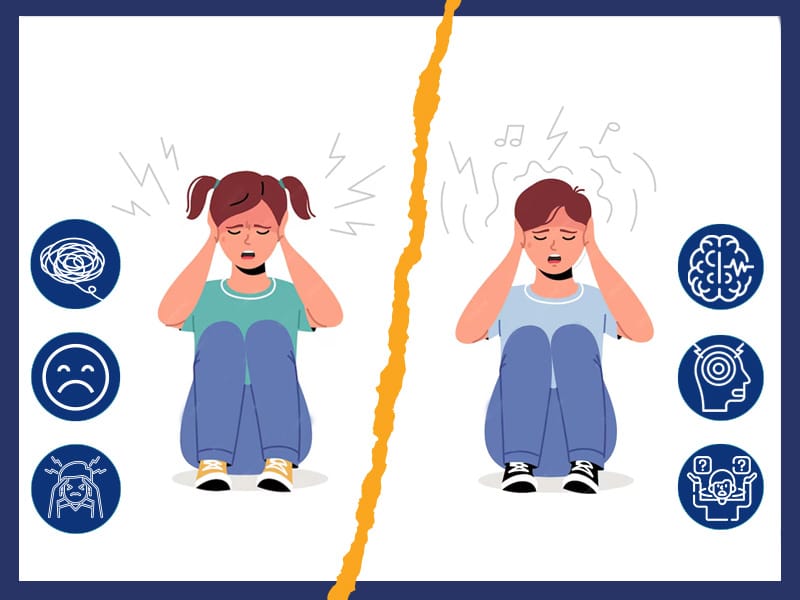
He also raised concerns about children growing up inside heavily AI-driven digital environments, warning about isolation, dependency and emotional vulnerability linked to unrestricted exposure to mobile devices and algorithmic systems.
Teachers, parents and employers are already dealing with some of those changes in everyday life. Attention spans feel shorter. Constant digital engagement leaves people mentally worn down. Even time away from work rarely feels fully disconnected anymore.
Fear of Falling Behind Is Becoming Part of Everyday Life
The document repeatedly warned against allowing too much technological power to concentrate inside a small number of companies controlling data, infrastructure and AI systems.
Not everyone will experience the AI economy in the same way. Some workers and businesses may benefit enormously. Others increasingly worry about becoming obsolete financially or professionally if they cannot adapt quickly enough.
That pressure changes behavior slowly at first. Workers spend more time trying to stay employable. People second-guess long-term plans. Career confidence weakens. Some employees quietly feel they are competing not only against other workers anymore, but against systems improving faster every year.
Leo argued that technology should remain accountable to humanity rather than forcing humanity to reorganize itself entirely around machines and commercial systems. His warning arrives during a period when many people already feel financially stretched, mentally exhausted and less certain about what long-term security is supposed to look like.
Some workers still see opportunity in AI. Others look at it and see another reminder that stable careers no longer feel guaranteed in the way they once did.