Although the heatwave often suppresses the appetite, it remains essential to eat to give the body energy. The key lies in choosing strategic meals and drinks that refresh from the inside out.
When the thermometer panics and crosses the 35 degree mark, adapting your plate and glass becomes an absolute priority. To protect your body, avoid heatstroke and prevent dehydration, discover the foods to favor, the drinks to adopt urgently… and sort through the many preconceived ideas that sometimes die hard!
You need to drink more when it’s hot
Water loss due to heat is greater in summer and even more so during heatwaves. You must therefore drink regularly, without waiting to feel thirsty, between 1.5 and 2 L of water per day (maximum 3 L otherwise beware of hyponatremia). First people concerned: infants and the elderly. The latter who sometimes do not feel the sensation of thirst must force themselves to drink. If your child doesn’t like water (it happens!), infuse fruit in it and exceptionally, allow him one or two glasses of fruit juice per day. Otherwise, offer him fun water bottles or glasses decorated with the image of his favorite heroes. It doesn’t matter, as long as it can encourage him to drink. Namely: Urine color is a good indicator of your hydration status. The darker they are, the less hydration is good. This is common and normal when it’s hot, but be sure to increase your water intake a little in these cases.
→ The right reflex: keep with you a bottle of water, at home and in transport.
Drink cold but not too much
Very cold drinks quench thirst more quickly and therefore reduce the feeling of thirst more quickly.
Even if cool water, even iced water, gives the impression of freshness, that does not mean that the body is more hydrated. In reality, it is even the opposite that happens: the body must reheat this water that is too cold so as not to disrupt its functioning and therefore provides energy that warms the whole body. It’s a bit the same principle as with a cold shower. This is counterproductive because the body tends to increase its body temperature because it tries by all means to maintain its temperature around 37°C. In addition, very cold drinks quench thirst more quickly and therefore reduce the feeling of thirst more quickly, so in the end we drink less.
→ The right reflex: alternate cold drinks (from the refrigerator) with room temperature drinks.
Avoid coffee and tea
It is better to avoid coffee and tea in large quantities because they are diuretics and therefore increase the quantity of urine and therefore the elimination of water. Remember, during heatwaves, we seek to improve hydration, not dehydration!
→ Good reflexes: think about herbal teas or lightly brewed teas and drink them warm rather than hot. This way, you will prevent your body from dissipating excess heat and therefore making you sweat, which would cause you to lose water…
Focus on cold dishes
Same thing, it is better to favor cold dishes so as not to put unnecessary work on your body, which is already tired of keeping you at a good temperature all day long. It is certain that when you eat a raclette or a dish with sauce, high in calories and salty, the body needs more energy to digest and therefore increases its body temperature. In addition, in summer, the body demands “less fat”.
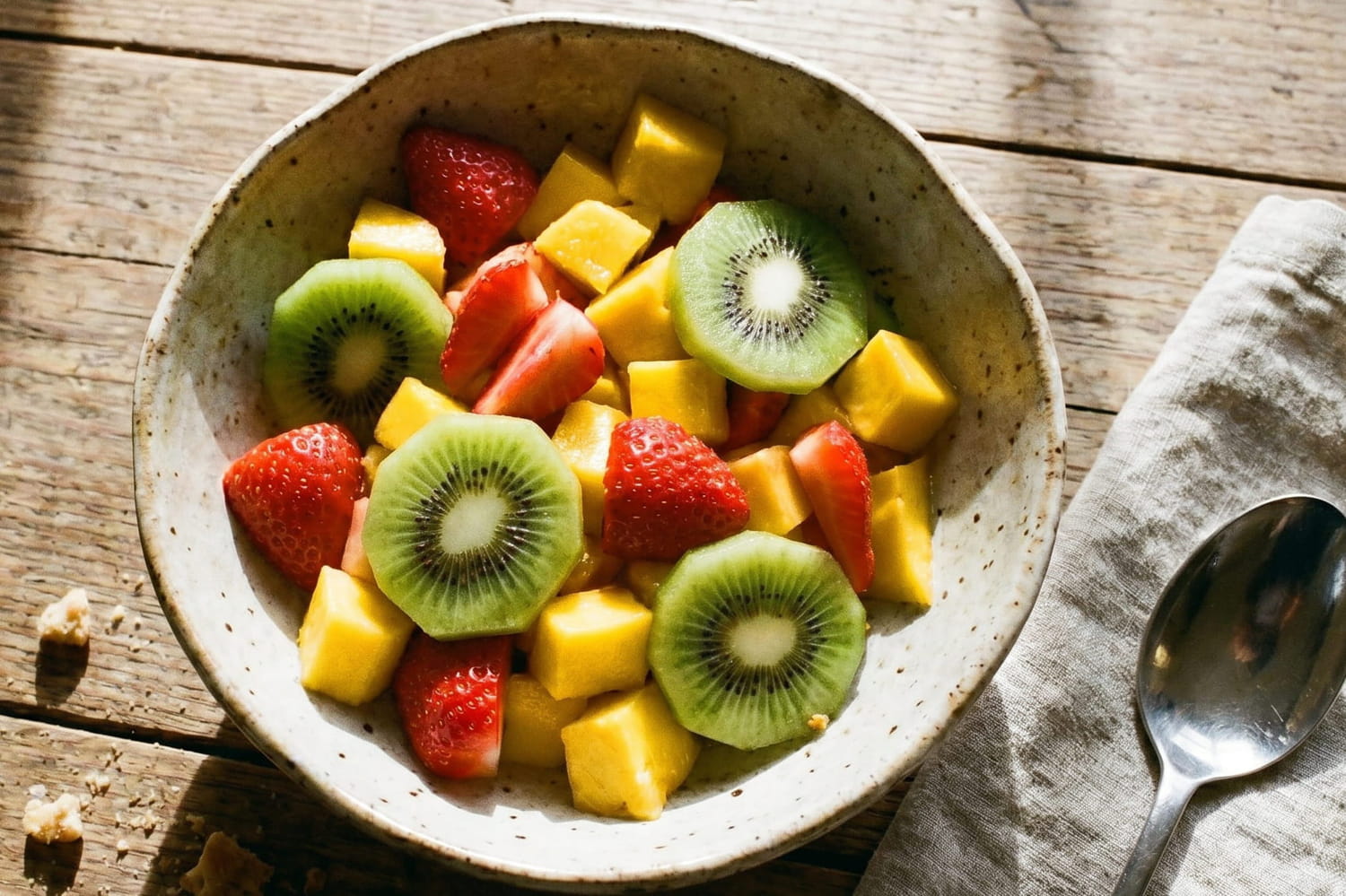
→ In favoring foods rich in water like fruits and vegetables, you help your body stay well hydrated. Think about the cold soups and gazpachos, which quench your thirst well because they are rich in tomatoes and cucumbers (waterlogged) and which provide vitamins and good nutrients. Among the meal ideas: salads, raw vegetables, raw fruits like melon, watermelon…
→ The right reflex: avoid running the oven and hotplates as this raises the temperature in your kitchen and therefore the body temperature.
Avoid alcohol
Alcohol is a false friend. Not only does it not hydrate, but above all it dehydrates! Consuming alcoholic beverages in hot weather potentially worsens the effects of alcohol and heat on the body.
- An alcoholic drink does not allow you to quench your thirst. On the contrary, alcohol increases the risk of dehydration due to its diuretic action.
- Alcohol makes lose more fluid to the body, which exposes the body more quickly to heat stroke.
The best: Preventing the risks linked to the interaction between alcohol and high heat requires controlled consumption, the ideal being to drink as little alcohol as possible, if at all. The limit is set at two standard drinks per day for women and three standard drinks per day for men. In case of occasional consumption, it is better not to exceed four standard glasses at one time and not to hesitate to drink water between each glass. People with chronic illnesses and pregnant women are advised not to drink alcohol.
More like ice cream sorbets
The ice being cold, the body will have to warm up and therefore produce heat
This is the good news: during heatwaves, we can afford to regularly indulge in ice cream. Ideally, still prefer sorbets, without added sugar or homemadeit’s even better. Not only are they richer in water, but they are also lower in calories. As explained above, ice cream being cold, the body will have to warm up and therefore produce heat, so there is no question of eating exclusively ice cream!
Limit salt
It is important to avoid foods that are too salty when the thermometer rises. Certainly they promote thirst and therefore hydration, but the accumulated salt retains water and therefore harms the hydration of the body.
→ The right reflex: cold meats, smoked fish but also chips, aperitif cakes and dried fruits should be eliminated from your menus in hot weather.
Make sure to respect the cold chain
If you are not hyper vigilant, you risk food poisoning. More than ever when it’s hot (but in winter too!), remember to take an insulated bag before going to the supermarket and quickly put away your frozen foods and fresh produce once you arrive home. Likewise, don’t overload your refrigerator and respect the expiration dates.
→ The right reflex: also rely on the color and smell of the food before preparing it, a matter of common sense. Finally, do not leave perishable foods (meats, cold meats, butter, etc.) and prepared meals lying around outside.
| What to drink when it’s hot? | What to eat when it’s hot? |
|---|---|
| Water (alternate slightly cool and temperate water), homemade iced tea (without sugar), lukewarm infusions without sugar, flavored waters… | Vegetables rich in water (zucchini, carrot, cucumber, tomato, pepper and eggplant, etc.), fruits rich in water (melon, watermelon, citrus fruits, etc.), fresh fish (tuna, sardines, shellfish, etc.), white and lean meats (poultry, etc.), sorbets or water ice creams, etc. |