After all the heat that has been suffocating our country since June, there are those who have chosen the mountains for their holidays, perhaps for the first time. In addition to enjoying the fresh air and breathtaking views of the Alps, one of the most popular activities remains the classic excursion. But each of these can prove dangerous if you are not properly prepared. Precisely for this reason, in view of the exodus towards the mountains by holidaymakers, the Italian Alpine Club and the National Alpine and Speleological Rescue Corps warn about the precautions to be taken, reiterating a key concept that everyone must keep in mind: safety in the mountains begins before departure. In fact, it is always necessary to consider all the possible variables when planning an itinerary: weather and environmental conditions, difficulty of the route, one’s own athletic preparation or those of the group members, always leaving a margin of time and energy to manage an unexpected event.
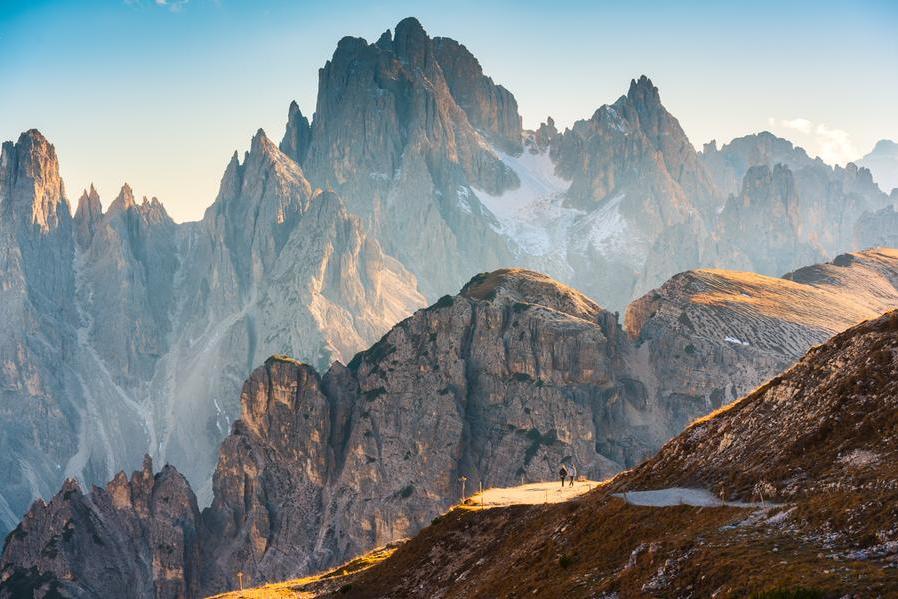
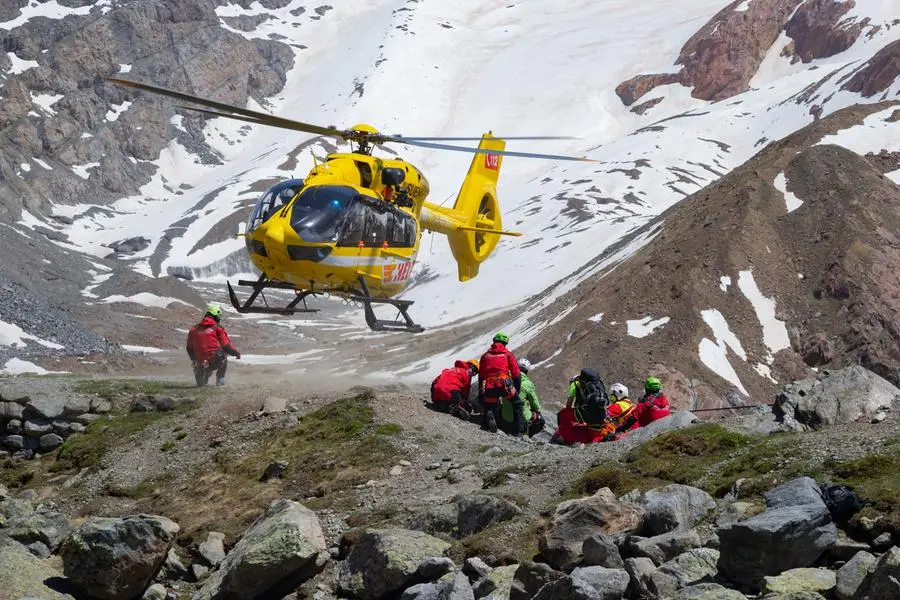
Two recent cases in the news raise the threshold of attention. The first, happened on Tre Cime di Lavaredo, a mountaineer was stuck on the west summit during the descent: exhausted, he contacted the emergency services and was recovered by the air ambulance. The second case however took place on the Gran Sasso, where five hikers were caught off guard by a violent storm at 2,600 metres. However, after calling 112, the group moved to an area without telephone coverage. Reached on foot by Alpine Rescue technicians, they then refused to be accompanied to the valley.
Different episodes, but with a common denominator: safety in the mountains is built before, not during. For this reason, CAI and Alpine Rescue remind you that, in the event of real or potentially dangerous difficulty, the thing to do is to call 112 without hesitation, providing a timely, clear and detailed request for help. Once the emergency services have been alerted, it is essential to remain available, not to move unless instructed by the operators and to communicate your position precisely. The GeoResQ app is also useful, which allows you to send a geolocalized rescue request and record your track during the excursion, facilitating searches in the event of missing people.

«Frequent to the mountains means taking on a responsibility towards yourself, towards others and towards the environment», declares the General President of the CAI, Antonio Montani, remembering that membership in the Club is not just a symbolic membership, but gives access to courses, skills and insurance coverage, including rescue in harsh environments.
Instead, it is necessary to clarify the costs of the interventions Maurizio Dellantonio, National President of the CNSAS«The Alpine and Speleological Rescue does not ask for payments from the people rescued and does not establish any charges». Any forms of cost sharing, provided for in some territories, depend on regional regulations and must never be a reason to hesitate in asking for help. However, adds Dellantonio, “a principle of responsibility remains: the mountains must be visited with preparation, respect for one’s limits and attention towards those called to intervene”.