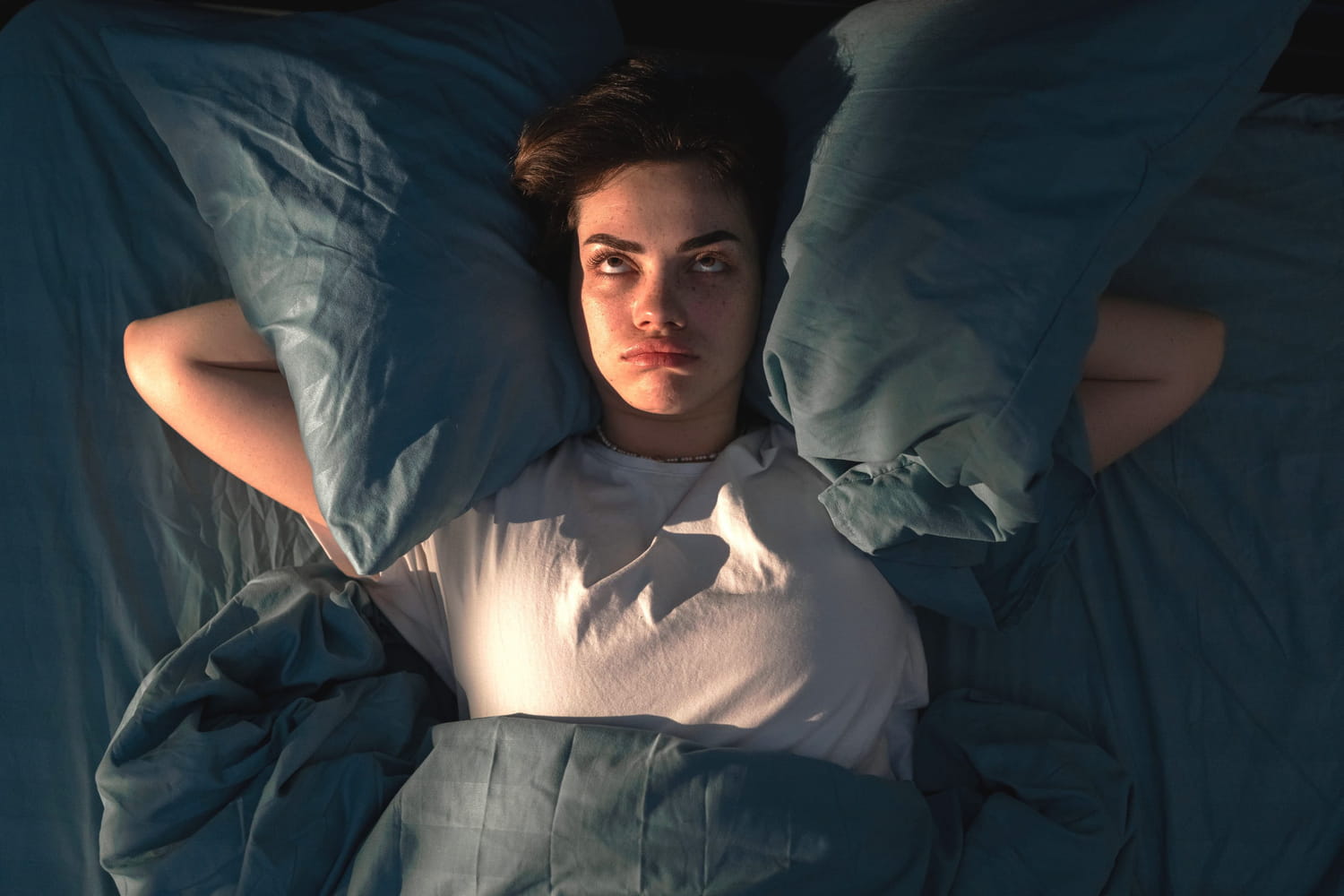




Dr. Guillaume Fond, expert in psychonutrition, reveals a little-known golden rule for sleeping well: so that food no longer sabotages your sleep, there is a pivotal hour after which everything changes.
We know: a bad night can ruin an entire day and ultimately lead to significant health problems. If we blame stress or screens, the real culprit is often hidden on our plate. Food plays the role of “conductor” for our biological clock. While certain foods make it easier to fall asleep, others act as real stimulants or weigh heavily on our digestion, which easily deprives us of restorative rest. So to sleep well, it’s not just about choosing what you eat, but above all respecting precise timing rules, says Dr Guillaume Fond, psychonutrition researcher.
Already, “it’s not a legend, you have to eat light at dinner. Recent chrononutrition data has shown that a calorie does not have the same value depending on the time at which it is taken. A calorie ingested in the morning does not have the same impact on weight and sleep as a calorie ingested in the evening. To put it simply, you should eat during the day and not at night. But in winter, it’s more complicated (because the sun sets early, editor’s note) especially in our fast-paced lifestyles. Generally, we skip breakfast, grab a quick lunch and make up for it at dinner.“, describes the doctor in the program Bel & Bien on France 2. However, you should do the opposite, have a very complete breakfast and lunch (proteins, carbohydrates, lipids) and a light dinner in the evening.
If you have to remember just one thing to have a great night’s sleep, it’s this: “The rule is to eat the majority of high-calorie foods before 4 p.m. and after this point in the afternoon, low-calorie foods such as vegetables for example.“, advises the nutrition expert. Studies show that sending a significant caloric load after 4 p.m. sends a “day” signal to your organs while your brain receives a “night” signal (via darkness). This conflict of signals desynchronizes the biological clock and degrades the overall quality of rest. In practice, we reserve dishes with sauce, red meats, heavy starchy foods, sweet foods and fried foods for before 4 p.m., therefore for breakfast and at lunch.
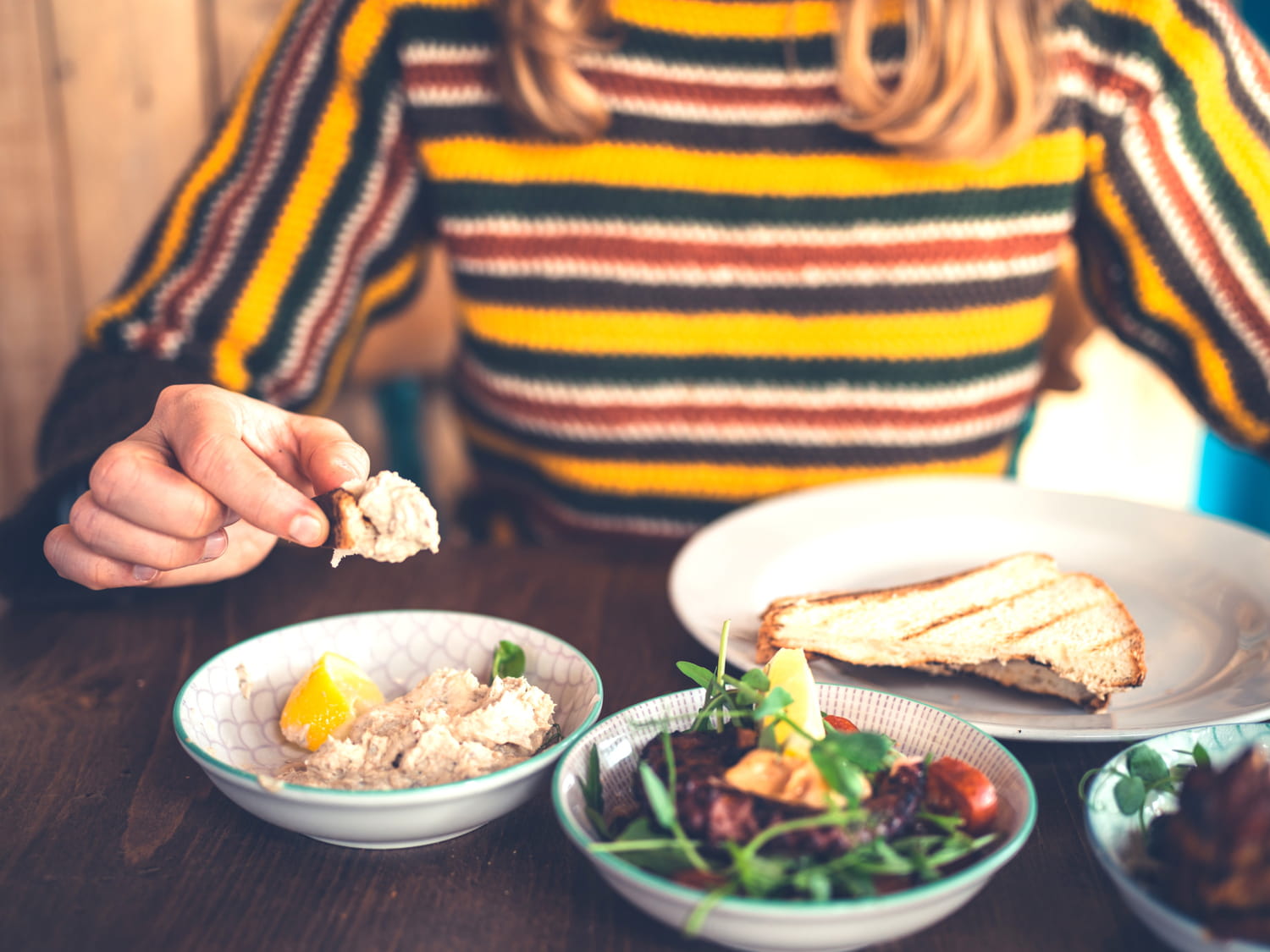
From snack time, switch to “light” mode. The objective is to provide the body with nutrients that are easy to assimilate without restarting heavy digestion which would cause your internal temperature to rise. Focus on a generous base of vegetables (steamed to protect sensitive intestines) and lean proteins such as white meats, white fish, eggs or legumes which have the advantage of providing fiber which stabilizes blood sugar levels during the night. For starchy foods, don’t ban them completely because they help transport tryptophan to the brain, but limit them to small portions (brown rice, quinoa, sweet potato). If you feel a little hungry around 5 p.m., don’t reach for sugar, but instead opt for fresh fruit or a handful of almonds.
At dinner, we will also focus on light foods rich in tryptophan (an amino acid precursor of melatonin (the sleep hormone).”Tryptophan improves sleep, especially in older people because sleep deteriorates over life and we will have more and more nighttime awakenings.“. Among the foods rich in tryptophan to eat in the evening: vegetable soup, a fillet of turkey or white fish, legumes (lentils, chickpeas) or a square of dark chocolate. Finally, limit caffeine after 2 p.m., it considerably degrades the quality of deep sleep and increases micro-awakenings.