




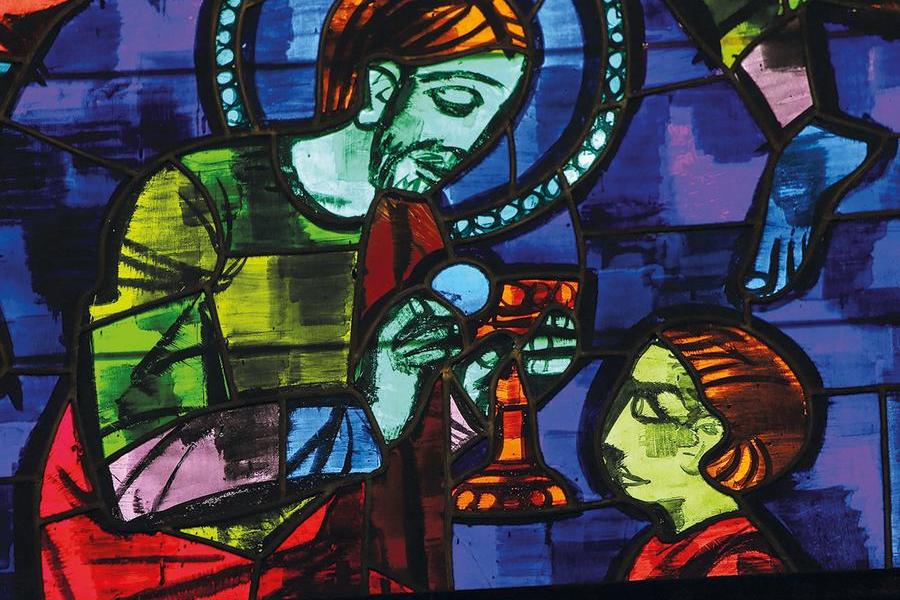
Man assimilates bread, Christ assimilates man
The bread we break in the Eucharist it is communion with the Body of Christ. It is an expression that we often hear and which, for this very reason, perhaps risks losing its original strength. Yet within that word – communion – one of the deepest intuitions of the Christian faith is preserved. Communion does not only mean spiritual closeness or participation in a rite, but a vital bond with Christ which slowly transforms the way we live life.
The liturgy of Corpus Domini helps to understand this reality with the first reading of Deuteronomy (8,2-3.14b-16a), where Israel retraces the long walk in the desert. A time marked by fatigue, hunger, precariousness, but also by surprise faithfulness of God. It is precisely there that the Lord gives the manna, that unexpected bread that teaches the people a decisive truth: “Man does not live by bread alone”. God does not eliminate the desert, but it gives birth to nourishment. It does not take the people away from the hardship of the journey, but gives them what allows them to cross it. In this sense the manna becomes a figure of the Eucharist. Even the Eucharistic bread does not automatically take us out of the contradictions of life, it does not erase the hardships, anxieties or fragilities that everyone carries within themselves; However, it introduces a new presence into all this. The Eucharist is not an escape from the world, but a different way to be in the world.
Jesus chooses bread precisely because bread belongs to daily life: it is simple, essential, linked to the table, to sharing, to the necessity of living. And when Saint Paul writes that “since there is one bread, we are, although many, one body” (1 Corinthians 10:17), he reminds us that the Eucharist never concerns only the individual relationship with God. That bread creates communionbuilds a people, teaches us to recognize ourselves as part of a single body.
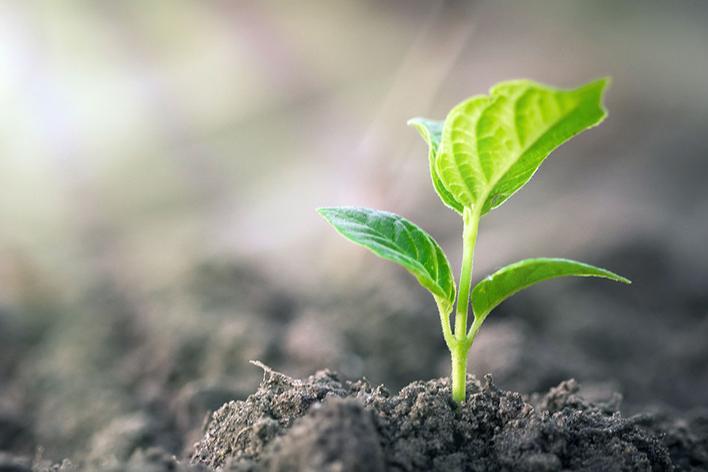
This transformation does not happen automatically or magically. The Christian life is more like one slow maturation than to a sudden change. The Eucharist acts in silence, as a hidden seed. Sometimes we realize only after a long time that something has changed: a more peaceful outlook, a different ability to go through pain, a greater freedom with respect to selfishness. Because of this the language of nourishment it’s important. Saint Augustine said that in ordinary food we are the ones who assimilate what we eat; in the Eucharist, however, it is Christ who assimilates us to himself. Faith then does not consist first and foremost in a moral effort, but in leaving space for a Presence that slowly shapes life. Even the hymns of Corpus Christi insist on this dimension. Saint Thomas Aquinas calls Christ O healthalis Hostiathe host of salvation that opens a door into the hostilities of history and the human heart. Because the real battles are internal: the effort of loving, the weight of wounds, the temptation to withdraw into oneself, the fear of the future.
The mystery of Corpus Domini holds a decisive question: what does man really live by? In a world that continually multiplies needs and consumption, the Eucharist reminds us that there is a deeper hungerwhich no material reality can completely fill. Man lives on bread that is not simply something, but the sign of a Presence that continues to accompany the human journey.