





To save on your food shopping, remember that the cheapest products are not placed where the eye first lands.
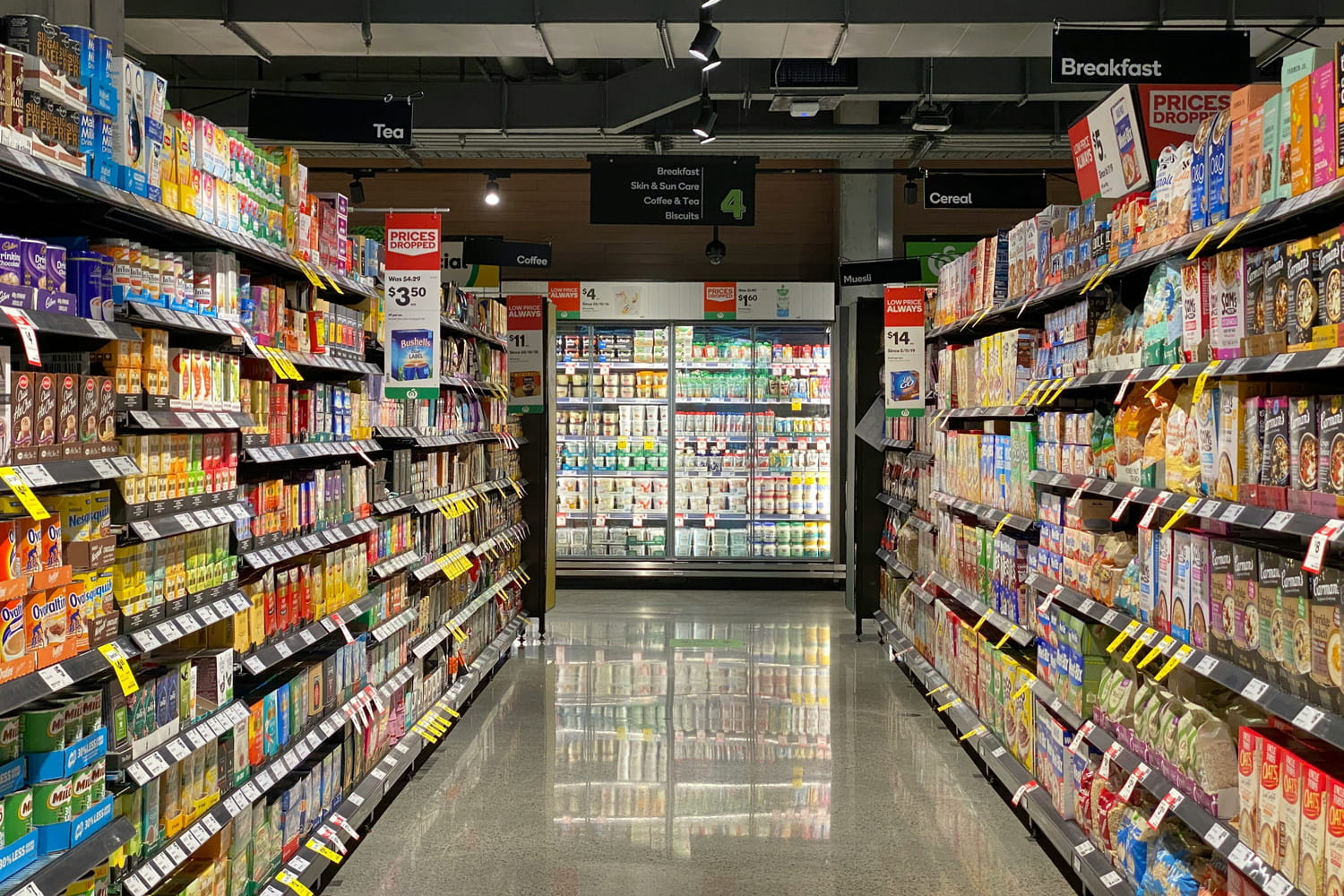
In mass distribution, nothing is left to chance. The organization of the shelves responds to a precise strategy of the brands, and the most economical products (often private labels or low-price ranges) are not always placed in the most visible areas of the shelf. However, a simple glance allows you to simply save money on your food shopping.
On the TF1 Info Instagram account, journalist Garance Pardigon recently drew attention to the mechanisms of major brands. First of all, it calls for distrust of the brands presented at the head of the gondola. “Generally the items that are best displayed are those on which supermarkets make the most margin.” In fact, the areas located at eye level constitute the most strategic space in a department since you only have to reach out your hand to grab the items. This is where sales are concentrated, a place reserved for the most profitable references for the brand. But the cheapest products in the supermarket are right in front of our eyes…
Indeed, in mass distribution, the organization of food aisles owes nothing to chance. Supermarket brands build their shelves according to a logic of profitability: the products that generate the most margin occupy the most visible areas, particularly at eye level, while low-cost references and private labels are often relegated to the bottom of the shelves. Garance Pardigon confirms this: “The cheapest prices are at the bottom of the aisle. You just have to look down.”
The cheapest products in the supermarket are therefore at the bottom of the aisle. The consumer who takes the time to visually scan the entire shelf, instead of just the central area, notices significant price differences for comparable items. An investment logic that is not random.