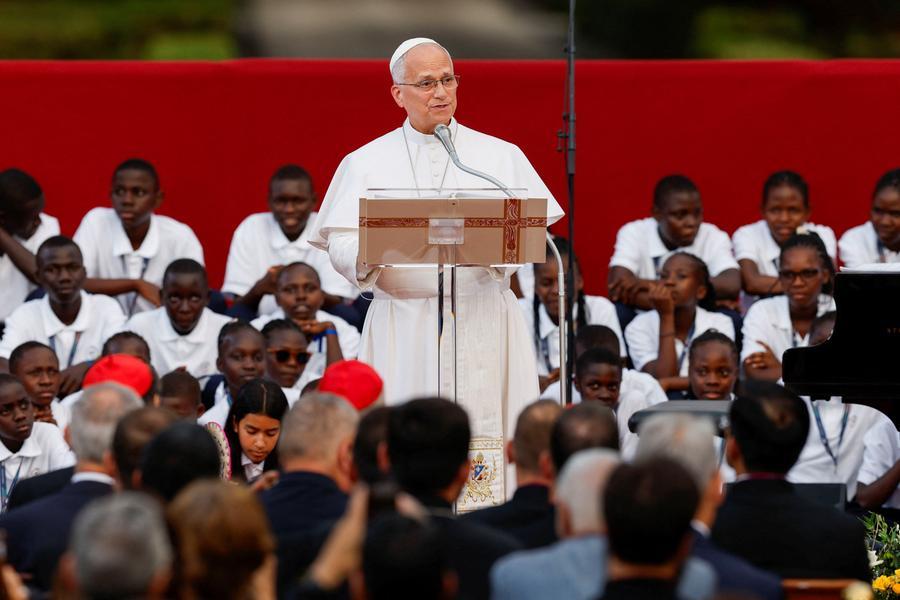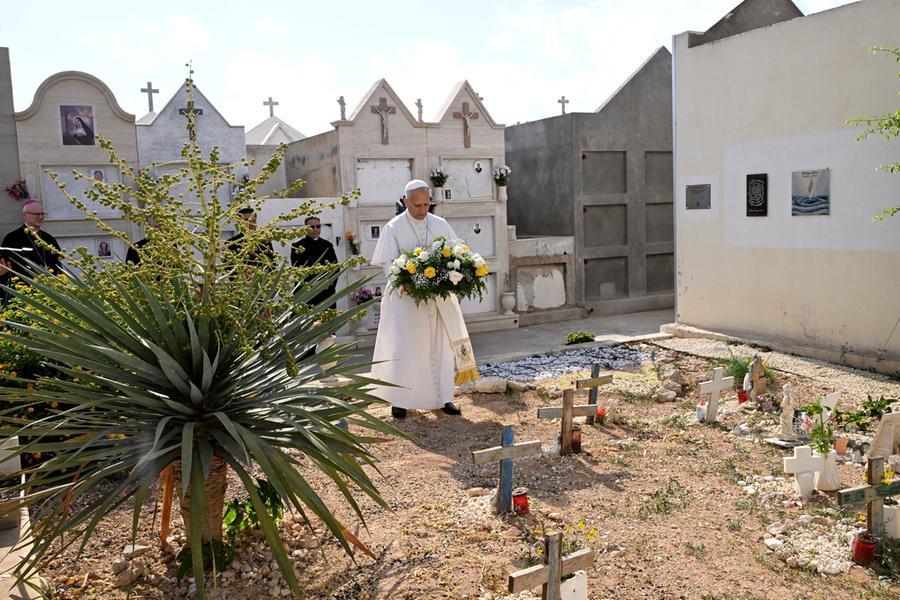
The visit begins from the cemetery. Where the piety of the people of Lampedusa has given burial to some of the many deaths at sea, especially children. «A caress to those who didn’t have it when their life ended» comments Archbishop Alessandro Damiano who accompanies Leo XIV in the footsteps of Francis.
The last landing just a few hours before the arrival of the Pontiff. Seventeen people including two accompanied minors immediately transferred, in a very orderly manner, from the Favaloro pier, which from today, 4 July, will be called “Francesco pier”, to the hotspot which already hosts 114 people.
“I was happy to have met him,” he says immediately Tareke Brhane, of the 3 October Committee, formed after the 2013 shipwreck which cost the lives of 368 people. Eritrean, who fled his country at 17 to avoid compulsory recruitment for life, escaped torture, rejections and unspeakable suffering, arrived in Italy in 2005. «I told the Pope that he is the first important man to have the courage to go to the Lampedusa cemetery to pay homage to the victims of the shipwrecks. He is truly a great man.”

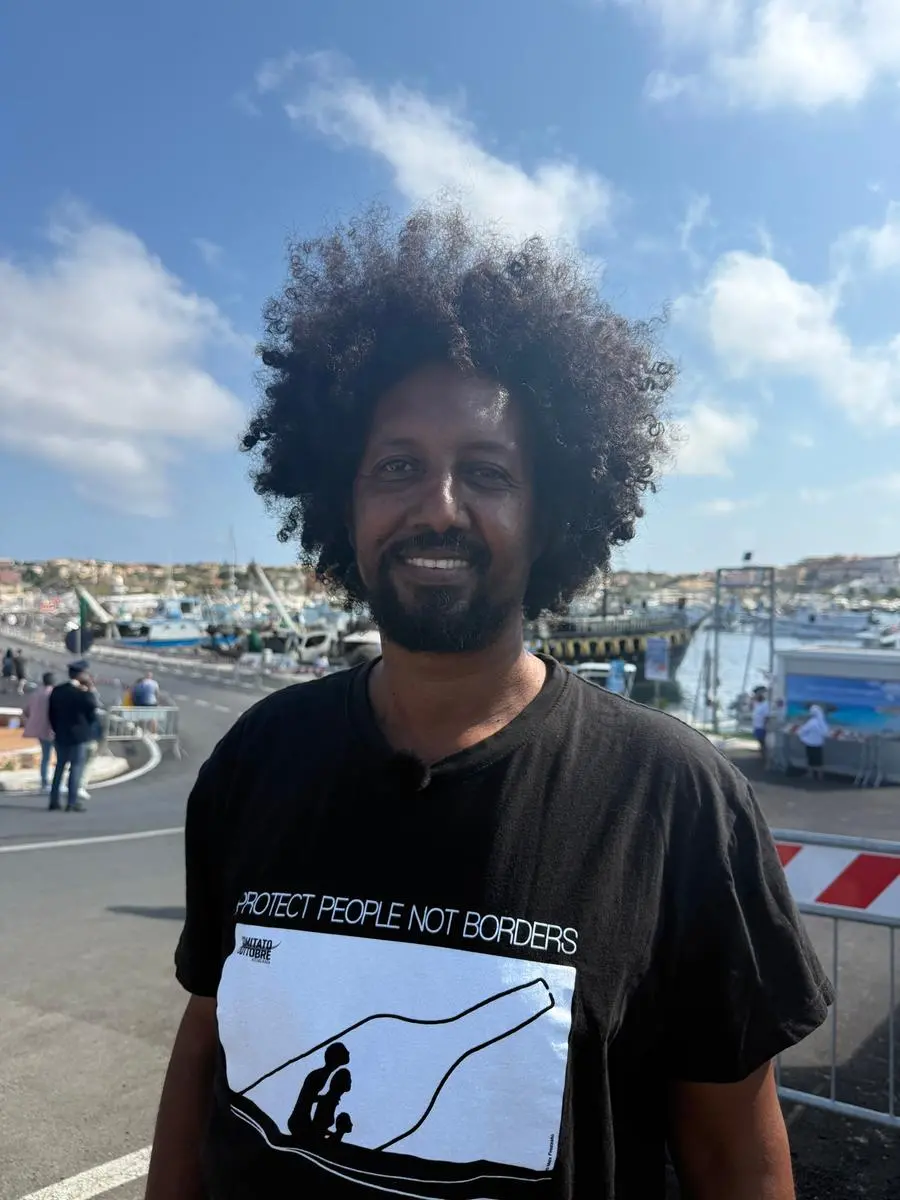
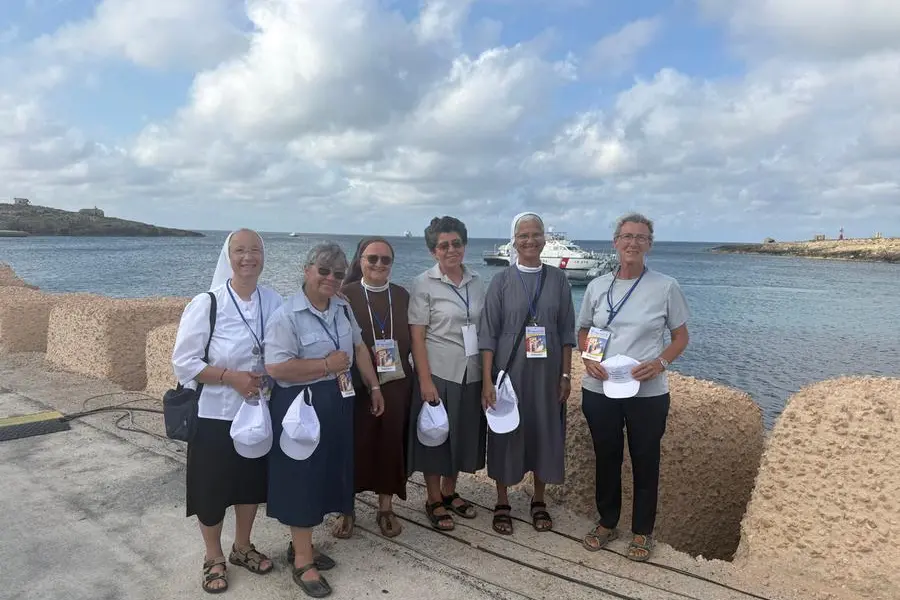
He went out of his way to be at the dock. With him also a group of nuns who have been a welcoming presence for migrants since 2019. «This pier is a tabernacle for me» he explains Sister Angela Comino, of the Institute of the Teacher Sisters of S. Dorotea that «this is a bit like our sacred place. As soon as they disembark we accompany them. We can’t do great things, but we guarantee that human presence, that warmth they need. They arrive with many fears and a lot of disorientation. Our presence reassures them. We welcome them physically and our touch, our smile disarms them a little. We have no role other than to embrace and, in this way, bring them the embrace of God.”
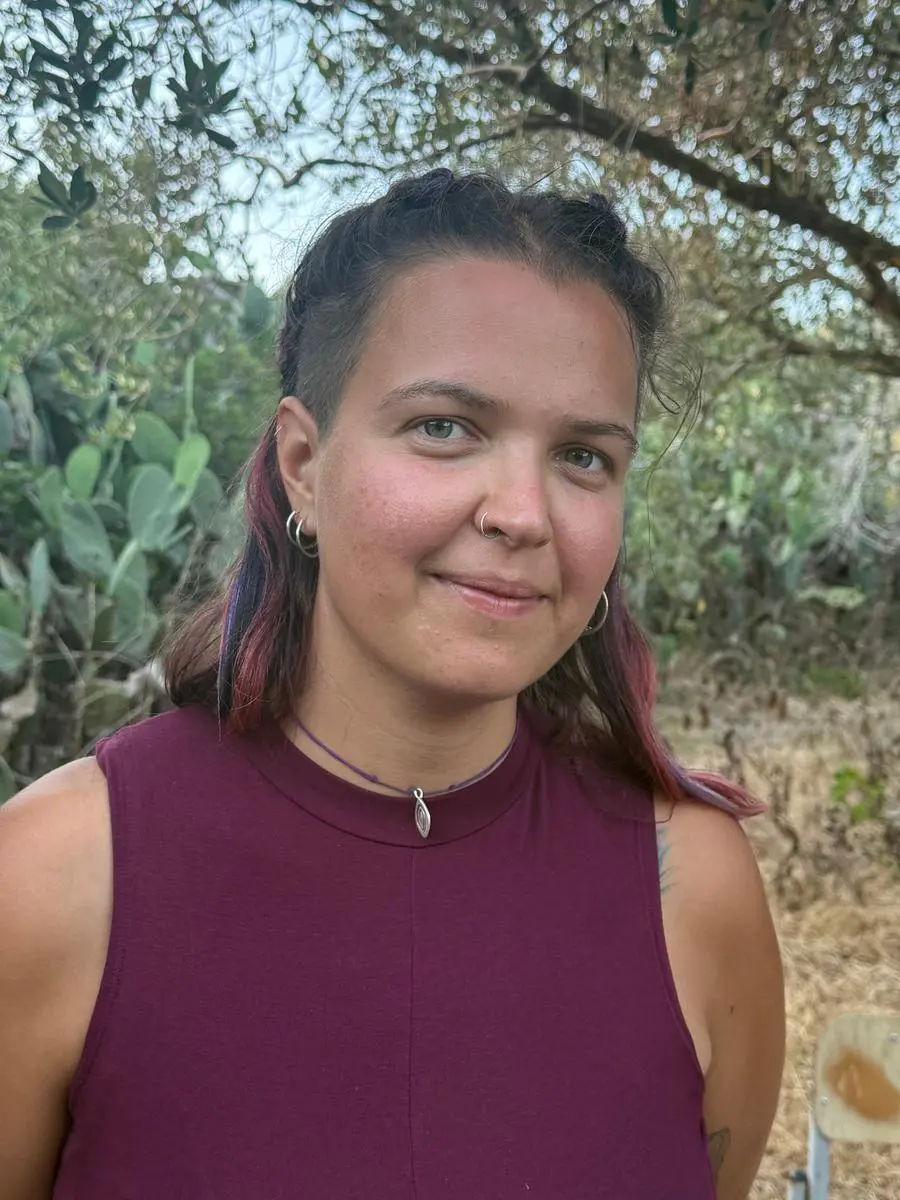
A hug that Leone has just brought to the dead too. The flowers left on graves, like those that Pope Francis threw into the sea in 2013, are the sign of a humanity that does not want to look the other way. «Although, especially after the pact on immigration and asylum which came into force on 12 June in all the countries of the Union, it is increasingly difficult to accompany migrants» he adds, Francesca Saccomandi, of the Federation of Evangelical Churches and coordinator of Mediterranean Hope.

«The bureaucracy imposes very invasive questions on their condition. Imagine what it means, a few hours after landing where you have to talk, often without psychological support, about the violence you have suffered, the fatigue of journeys that often last for years, and declare your physical vulnerabilities. A truly inhuman law.” For Saccomandi the hotspot is «a real detention because whoever is there cannot leave even if there are no laws that provide for it. It would have been nice if the Pope had come in to see the living conditions and shine a light on this center.”
Center whose conditions have improved since the Red Cross took it over. Nineteen of the guests, men and women and a child are on the pier meeting Leone. He greets them one by one, gives them a key ring out of respect for their religion, caress your hands, hug. He blesses the plaque dedicated to Pope Francis which reads: «Pope Francis Pier, place of landing, hope and humanity.”
«I hope that this humanity awakens», adds Seck Baye Fall, the name with which the boy, coordinator of Ragazzi Baye Fall of Lampedusa, wants to be called, «because the problem is skin color. When your great-grandparents came to my continent to deport us as slaves it was fine. Today, when we young people want to come to you to build our future, you prevent us. Those who are white can travel and move, those of us with black skin, if we move we are considered delinquents and criminals. People who steal jobs. But what job? Which white person gets dirty with the earth to pick tomatoes, to work in agriculture, to do heavy labor? Is this the job we’re stealing?”
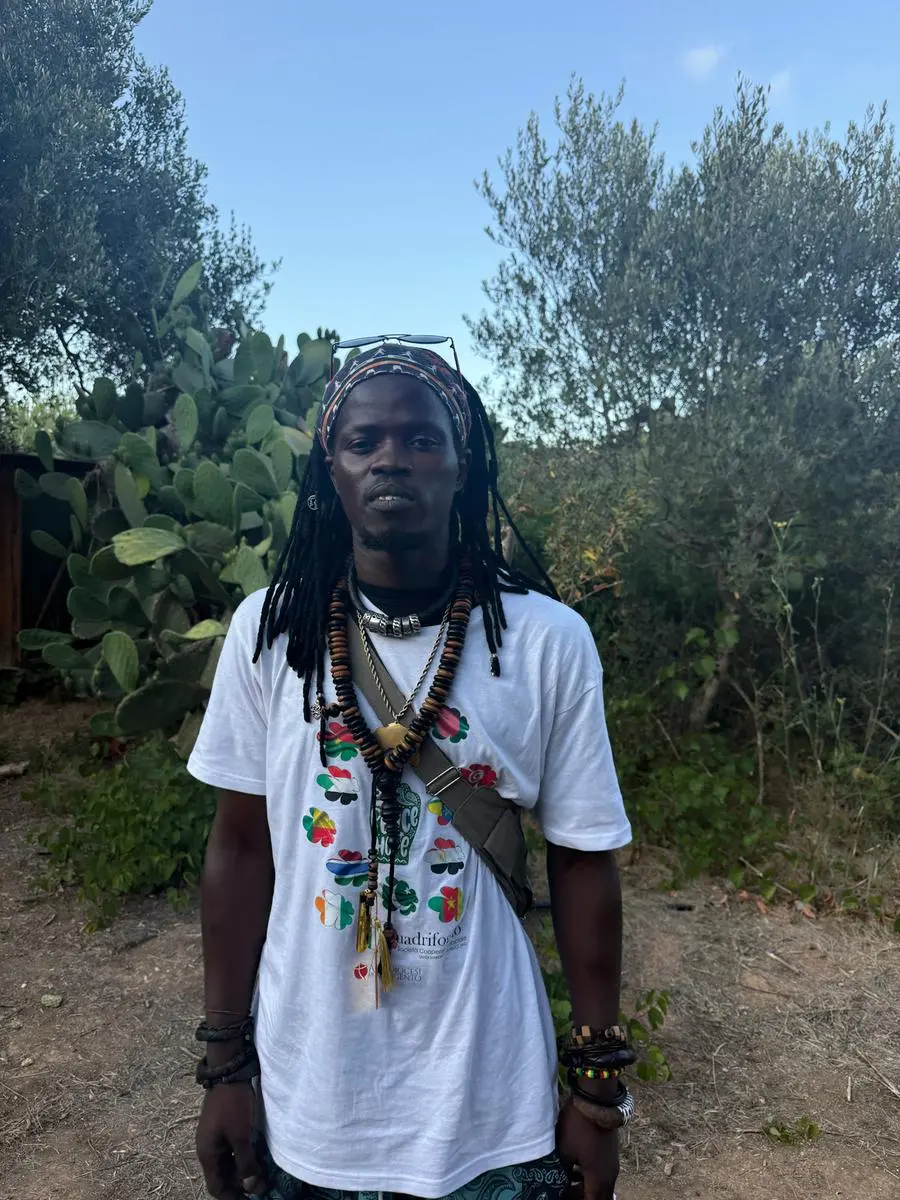
Having left his country in 2014, he survived two years of imprisonment in Libya and a sea crossing where smugglers forced him to drive the boat. For this reason he was arrested and served a sentence as a “coxswain” before being released and able to dedicate himself to helping and welcoming migrants who arrive on the island.
Pope Leo came to collect this pain. At the Porta d’Europa, with the San Giusto ship patrolling the sea, he places his hand on the work of Mimmo Paladino. He takes two children by the hand, meets the rescued families and those who have adopted the little ones left without parents. He climbs the casemate where the Italian and European flags are flying. He scans the sea looking towards Libya, greets the soldiers of the Guardia di Finanza, the Navy and the Coast Guard who are on the ships and looks. Look at the waves that have swallowed up over 800 people in the first six months of this year alone.
A child gives him a ball, the same one he received ten years ago and which brought his smile back. The Pope listens and thanks all the citizens. Then he explains: «The fact that you wanted to name the Molo Favaloro after Pope Francis is a sign of the bond that my Predecessor established with your community and with your migrant brothers and sisters: the Pope was close to you in this very challenging time for you. And today I am here to tell you that the Pope continues to accompany you, supports you and encourages you. I did not come to make speeches, but to celebrate the Eucharist, supreme sign of the presence of Christ among us. The gesture of Jesus breaking the bread to give himself gives meaning and strength to our daily gestures of assistance and sharing. Yes, this is a place where, more than words, gestures speak. But gestures, to be human, need a heart. This is why we have gathered here: to draw from Christ the love that alone He can give us, so that the world of today and tomorrow is more human, for everyone.”