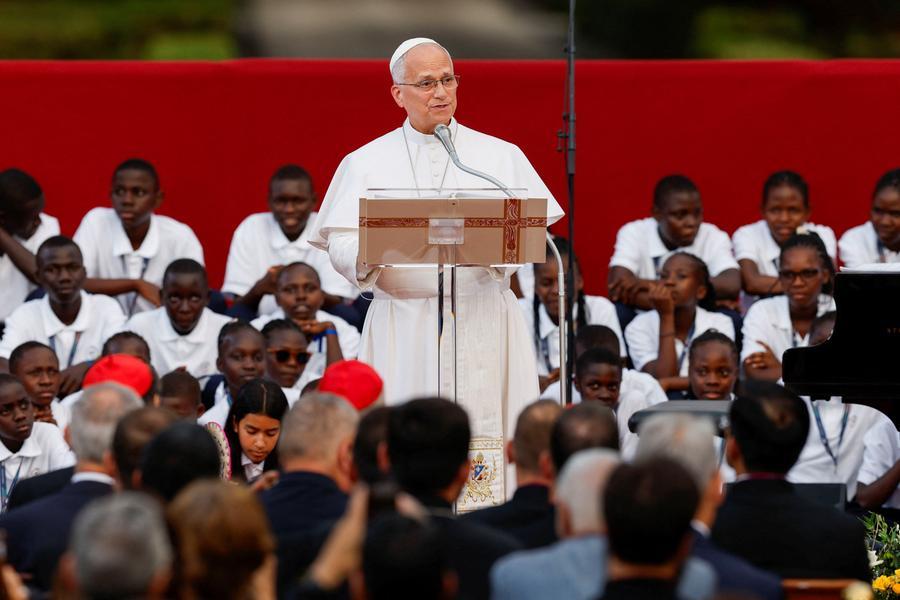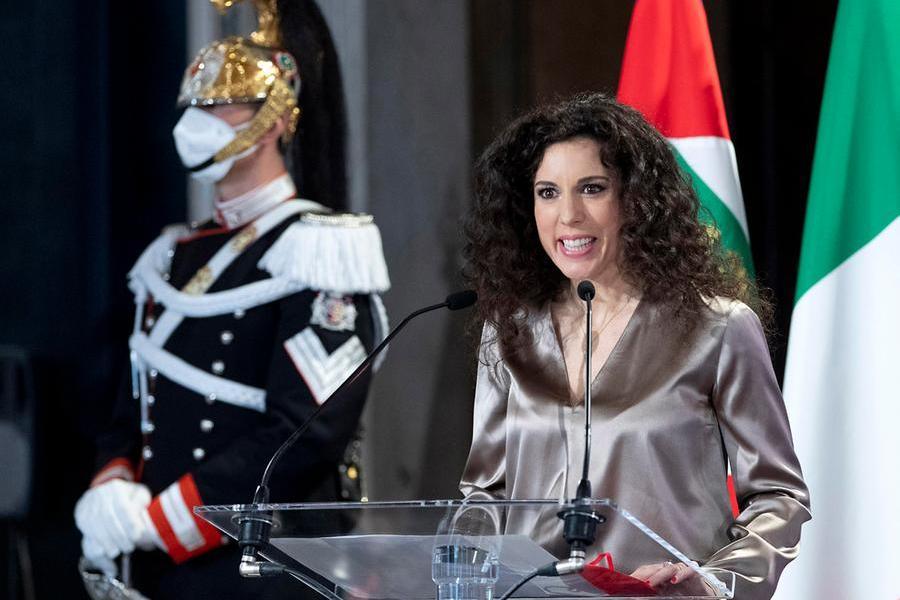






The testimony of Fabio Varrella, the Neapolitan engineer who, on 29 March 2023, while he was in a petrol station, was attacked with gunshots by two boys who wanted to steal his scooter and who today deals with the recovery of boys at risk, and of Rebecca Rocco, a girl who, in the Sanità districtone of the most difficult in Naples, overcame his fear by starting to engage with the cooperative la Paranza and with the one co-founded together, “La Sorte” which welcomed over one hundred thousand visitors in the last year to the Jago Museum and gave job opportunitieseven with the MuDD project – Widespread Diocesan Museum of Naples, to forty young people from the city.
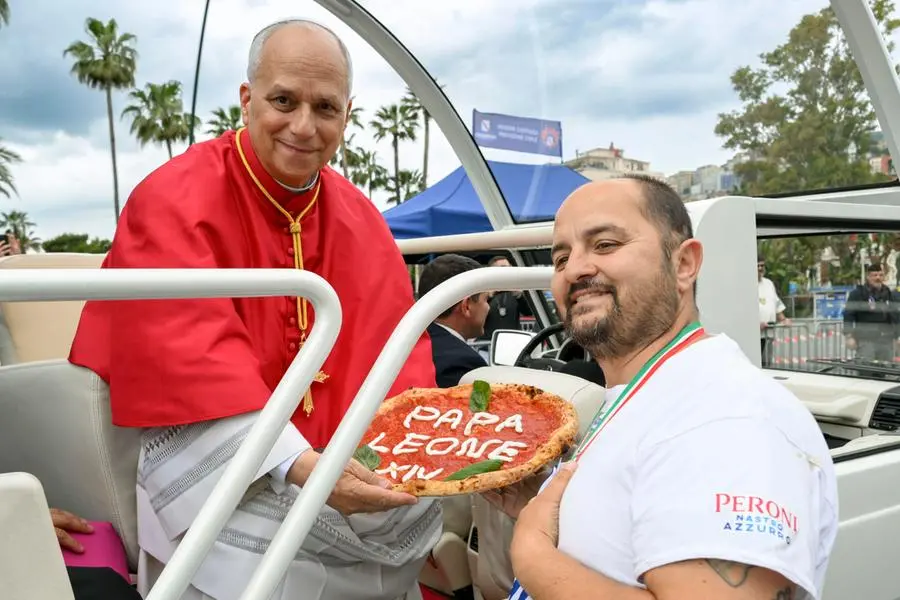
The Pope, who upon his arrival in Naples, as soon as he got into the Popemobile, he had received a free pizza from Sorbillo, the well-known Neapolitan pizza chef, and immediately thanked him for «your lovely welcome!».

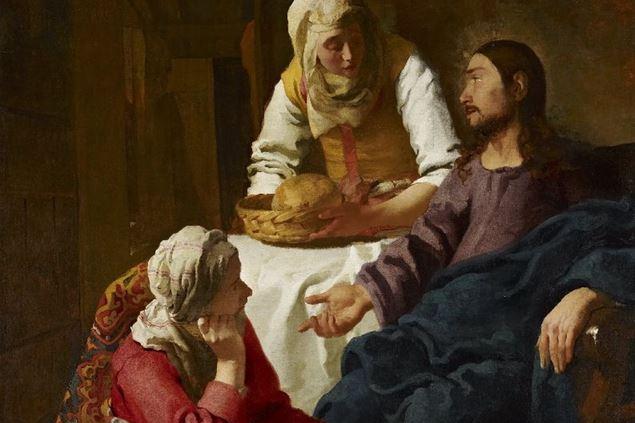
And, starting from the testimonies, he explains that these are «the voices of Naples, pearl of the Mediterranean that Vesuvius looks down on, voices in which the ancient beauty of this city bathed by the sea and kissed by the sun echoes, and in which, however, wounds, poverty and fears also find space». The testimonies speak of «a Naples that often walks tired, disoriented and disappointed like the two disciples of the Gospel, which needs that closeness offered to them by Jesus; voices of a people who, even today, feel the need to stop and ask themselves: what really matters?”.
Pope Leo underlines that «in this city there is a yearning for life, justice and goodness that cannot be overwhelmed by evil, discouragement and resignation. For this reason it is necessary that – not alone, but together – we ask ourselves: what really matters? What is necessary and important to resume the journey in the enthusiasm of commitment instead of in the tiredness of disinterest, in the courage of good instead of in the fear of evil, in the healing of wounds instead of indifference?”.
It underlines the paradox of the notable growth of tourists and the effort to involve the entire community in economic dynamism. «The city is still marked by a social divide that no longer separates the center from the suburbs, but is even marked within each areawith existential suburbs nestled even in the heart of the historic center. In many areas we can see a real geography of inequality and poverty, fueled by problems that have been unresolved for some time: income inequality, poor job prospects, the lack of adequate structures and services, the pervasive action of crimethe drama of unemployment, school dropouts and other situations that burden the lives of many people.” Recall the presence and action of the State «more necessary than ever, to give security and trust to citizens and take away space for organized crime». And he speaks of those Neapolitans who «cultivate the desire for a city redeemed from evil and healed from its wounds. Often it’s about true social heroes, women and men who work hard every day with dedication, sometimes even just by faithfully carrying out their duty, without appearingso that justice, truth and beauty make their way through the streets, in institutions and in relationships.”
People who don’t have to remain isolated. You need a network. And Naples can be a glue that holds “together the efforts of individuals and connects the energies, talents and aspirations of many”. He talks about the educational pact between the Municipality, Region and Government, of the many ecclesial realities and of the Third sector and encourages us to gather forces and continue to work together because Naples does not remain «a simple “postcard” for visitors», but it becomes “an open construction site, where concrete peace is being built, verifiable in people’s daily lives”.
We need to work within the city to build alternatives to violence «through daily gestures, educational paths and practical choices of justice. We know, in fact, that there is no peace without justice, and that justice, to be authentic, can never be separated from charity.” From this perspective, «the Casa della Pace, which welcomes children and mothers in difficulty, and Casa Bartimeo were borna place of accompaniment for young people and adults in fragile situations: concrete signs of a peace that becomes hospitality, care and the possibility of redemption”. Leone also remembers how Naples is a «”platform” for intercultural and interreligious dialogue» which, through conferences, international awards and reception programs, continues to give voice, from below, to one culture of peace that contrasts “the logic of conflict and force of arms as the presumed solution to conflicts”. Young people from Gaza have also arrived here, migrants and refugees have been welcomed, transforming, thanks to Caritas, «the Port of Naples from a simple landing place to a living sign of welcome, integration and hope”.
The Pope asks to carry forward these commitments together, especially with the younger ones «who are not only recipients but protagonists of change. It is a question not only of involving them, but of giving them space, trust and responsibility, so that they can contribute creatively to the construction of good.” That young people are, in this, a precious resource is also demonstrated by the experience of the Diocesan Diffuso Museum, «where many of them are committed to preserving and narrating the cultural and spiritual heritage of the city with new and accessible languages” and also the oratories where young people “dedicate themselves with passion to the education of the little ones, becoming credible points of reference and witnesses of healthy relationships”. This is demonstrated by volunteering where young people «spend themselves in charity services, in social initiatives and in support of frailties». Experiences that are not marginal, but signs of “a young Church and a city that can regenerate”.