
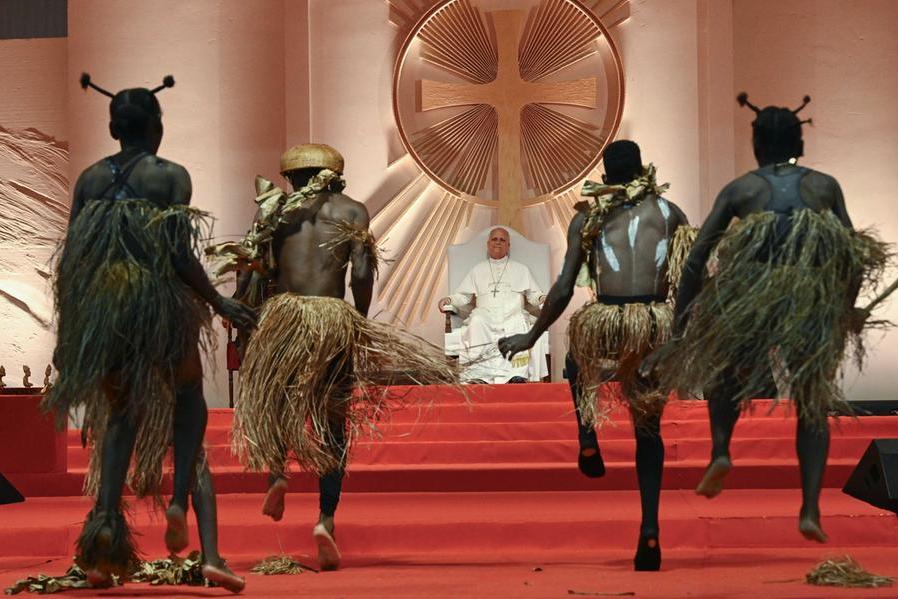


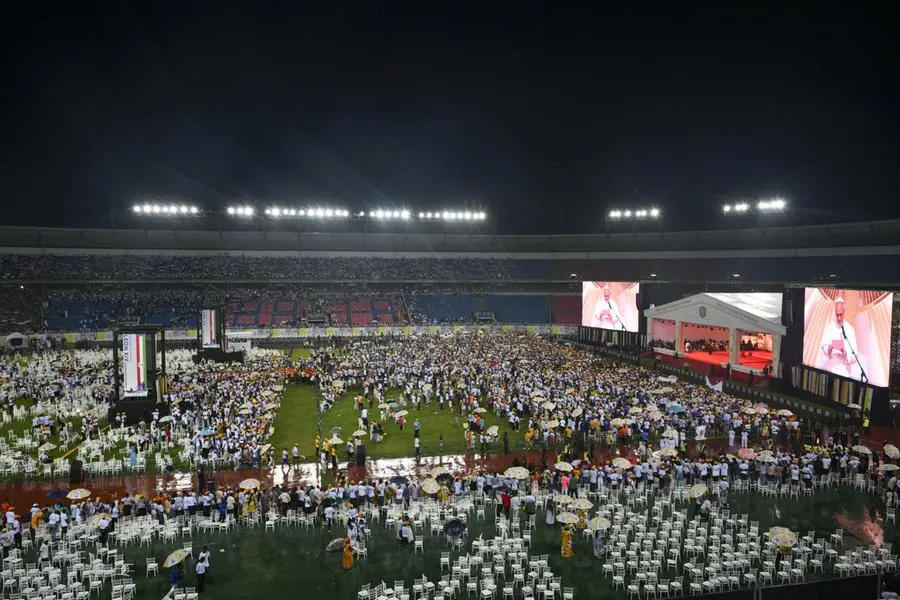
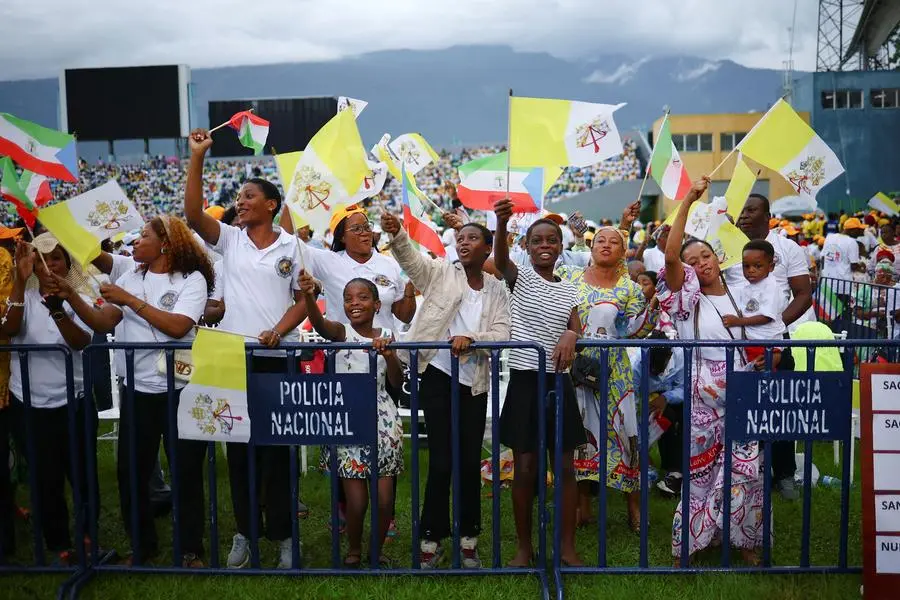
Under a torrential rain that does not extinguish but amplifies the enthusiasm, I Bata stadium it transforms into a large classroom of life and faith. It is here that the Pontiff meets young people and families of the Equatorial Guineain the penultimate appointment of his long apostolic journey to Africa. A meeting marked by simple and profound symbols: a stick, a net, an island, a boat, a musical instrument. Everyday objects that become living parables of concrete existences. It is not a constructed scene, but a choral story. Every object, in the hands of young people, holds a story, suggests a struggle, tells of a hope. Alicia she is like an island: alone in facing the challenge of being a woman in the world of work. Francisco Martinseminarian, is the boat that plows a route of total gift, called to guide others towards God. Purificación and Jaime Antonioyoung spouses, find in the stick the sign of a love that sustains and grows in freedom. AND Victor Antoniojust thirteen years old, entrusts to the network the pain of a wounded family, marked by the absence of his father but still capable of cherishing life.

A faith that takes shape in life
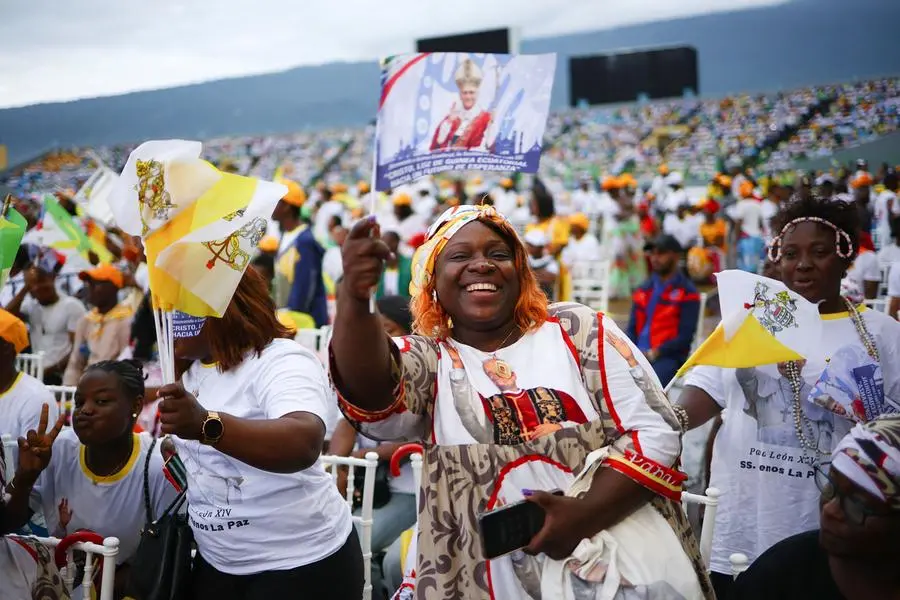
The Pope listens to the testimonies and relaunches. It does not offer abstract answers, but indicates a direction: that of a faith that is intertwined with real life, which asks for care, respect, responsibility. In the faces of young people, he says, a light shines stronger than any difficulty: «The brightest light is that of your eyes, your faces, your smile, your songs, your dances, in which everything is testimony that Christ is joy, meaning, inspiration and beauty for our life», the Pope says, «your country, Equatorial Guinea is a country rich in history and traditions. We saw it a little while ago, in the dances, costumes and symbols with which each group expressed its identity, making our being together even more evident and touching. You have brought simple, everyday objects – a stick, a net, a reproduction of an island, a boat, a musical instrument – which speak of your life and the ancient and noble values that animate it, such as service, unity, hospitality, trust, celebration. It is the luminous and challenging legacy of which you, dear young people, are called to be, in faith, the foundation of your future and that of this Earth. The future is yours.”
It is a Church that needs this energy, this authenticity. A youth that does not hide its wounds but transforms them into testimony. And who rejects shortcuts: «Do not seek easy success», warns Leo

The future is in the hands of young people
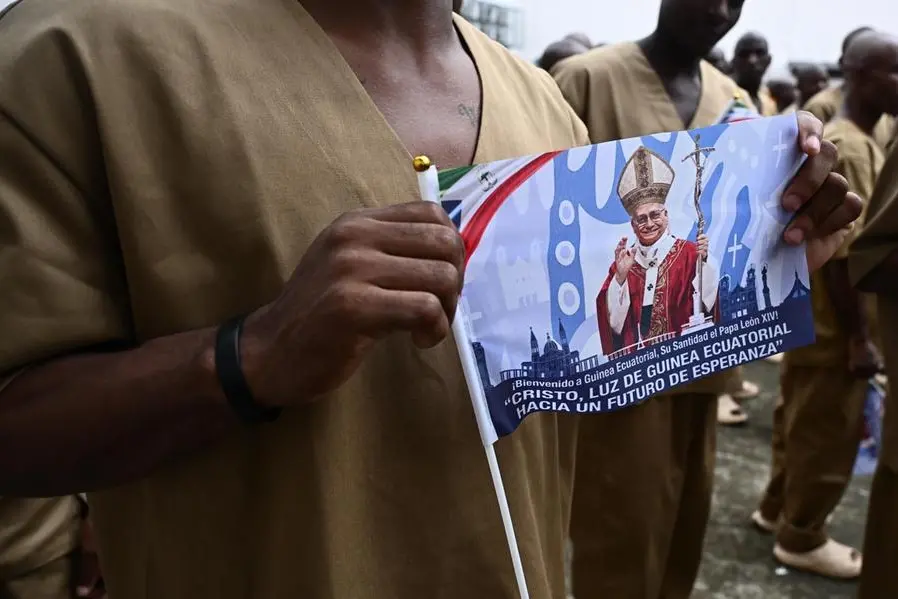
At the heart of the speech a message returns forcefully: the future belongs to young people. Not as a slogan, but as a concrete responsibility. They are called to safeguard and renew a legacy made up of “ancient and noble” values: service, unity, hospitality, trust.
A call that also echoes the words of Saint John Paul IIwhich already in 1982 invited the new generations of the country to be artisans of reconciliation and mutual respect. Today, those words remain relevant, almost prophetic and the Pope recalls them in his speech: «”Always give an example of harmony among yourselves, of mutual love, of capacity for reconciliation, of effective respect for the rights of every citizen, of every family, of every social group. Respect and promote the dignity of all the people in your country, as human beings and as children of God” (Speech upon arrival in Equatorial Guinea, Malabo, 18 February 1982, ed). They are words”, says Leone, “that still guide our hearts today and must illuminate your path, as you prepare for the responsibilities that await you in the future”.
Family, place of growth and hope
The Pope’s gaze then turns to families, “fertile soil” where life grows. In a context often marked by fragility and social pressures, Leo XIV relaunches the beauty of marriage as a vocation and path: «Being spouses and parents is an exciting mission, an alliance to be lived day by day, in which we always find ourselves new to each other, supporters, together with God, of the miracle of life and builders of happiness, for you and for your children. Prepare yourselves to live this call as a path of true love, which grows in freedom, a path of hope that is born from the awareness that God does not abandon you, a path of holiness that always seeks the good and happiness of others.” Then he recalls the teaching of Pope Francis in the exhortation Amoris Laetitiawhere the family is described as a “living sculpture” of God’s love.
Welcome life, always
Among the strongest testimonies, that of Victor Antonio13 years old, raised only with his mother and fatherless, strikes the heart of the assembly: «I thank Victor Antonio so much for the sincerity and courage with which he shared his story with us», says the Pope, «his words help us to understand even more deeply the value of what we have said. They fall like a boulder among us, but not to destroy. Rather, they are words that must encourage us to build a better world, based on respect for life as it is born and as it grows, and on a sense of responsibility towards children and young people. Victor Antonio reminded us that welcoming life requires love, commitment and care, and these words on his adolescent lips must make us think seriously about how important it is to protect and safeguard the family and the values that are learned in it.”
The revolution of charity
The meeting ends with an invitation that is both simple and radical: let yourself be thrilled by the beauty of love. This, according to Leo XIV, is the true force capable of transforming the world. Not power, not success, but the “light of charity”. A light that is born in homes, in daily relationships, and which can also illuminate social and political structures. So that every person is respected and no one is forgotten.
In Bata, under the rain and under a rainbow that appeared almost to seal the evening, the image of one remains Church young, alive, on the move. A Church that, like an open score, entrusts the music of the future to the new generations.