




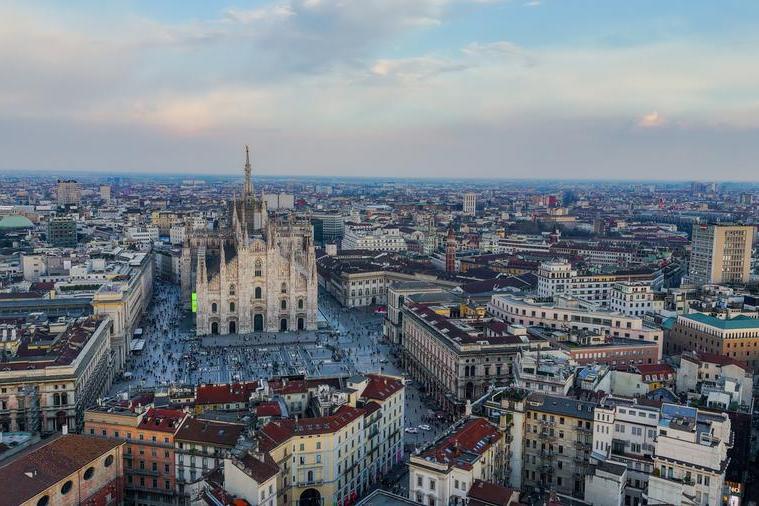
Climate change is one of the greatest challenges humanity faces in recent years. Increasingly higher temperatures, mid-seasons that no longer exist and torrential rain are now a constant feature of the weather on our peninsula which is putting not only people’s lives in difficulty, but also that of our cities. In particular, in recent summers Milan has often been the victim of strong storms that the Milanese were certainly not used to. To help cities manage and dispose of the large number of liters we need to rethink how they are designed and experienced by those who live there.
It is to solve this kind of problem that the “Sponge City” Project has come to life: the goal is carry out interventions that imitate natural processes. In fact, if cities were designed to remove water as quickly as possible through the sewer pipes, the sponge city instead aims to retain it in place. But how? By creating spaces and areas where water can infiltrate the ground, evaporate or be absorbed by plants: this process leads to the so-called “hydraulic invariance” (i.e. the sewers are not overloaded) and counteracts heat islands, lowering the temperature of the asphalt.
The Sponge project is part of a larger PNRR measure called PUIintended for the 14 Italian metropolitan cities to combat degradation and climate vulnerability. The overall investment for the Metropolitan City of Milan was over 322 million euros, of which approximately 50 were specifically allocated to the 88 works of Città Spugna.
In this complex technological and environmental game, a leading role was played by the CAP Group, the green utility that manages the integrated water service of the metropolitan city of Milan. The CAP Group was the fundamental operational arm: thanks to its technical expertise and in-depth knowledge of underground networks, it made it possible to transform political intuition into concrete infrastructures. Without their ability to put “water at the center” of urban design, integrating engineering and sustainability, a plan of this magnitude would not have been achievable in the record time imposed by Europe.
But how were the areas of intervention selected? Thanks to years of studies carried out with territorial databases, “suffering points” have been identified, i.e. areas that often flood or where the temperature detected is too high. Priority was given to areas with an abundance of fragile populations, therefore elderly people and children. Reducing the temperature of a street or avoiding the flooding of a playground has a direct impact on public health, significantly improving it.
For example a Solaro under a square, basins have been dug with modular plastic boxes that can contain thousands of liters of water, then released slowly via valves. Or to Turbino and Cologno Monzese meeting places have been built which “accept” to transform themselves into temporary basins. In fact, in the event of exceptional rain, the square floods in a controlled manner (a few tens of cm) to protect its surroundings and not overload the sewerage system.
The role of the citizen at this point becomes fundamental so as not to waste the precious work done. Anyone must understand that a flooded flowerbed is not a disservice, but a system that is protecting your cellar or shop. Furthermore, the maintenance of these spaces will be fundamental to ensuring that they continue to be a functioning service. It is important that no waste is abandoned because it would end up compromising the functionality of these interventions.
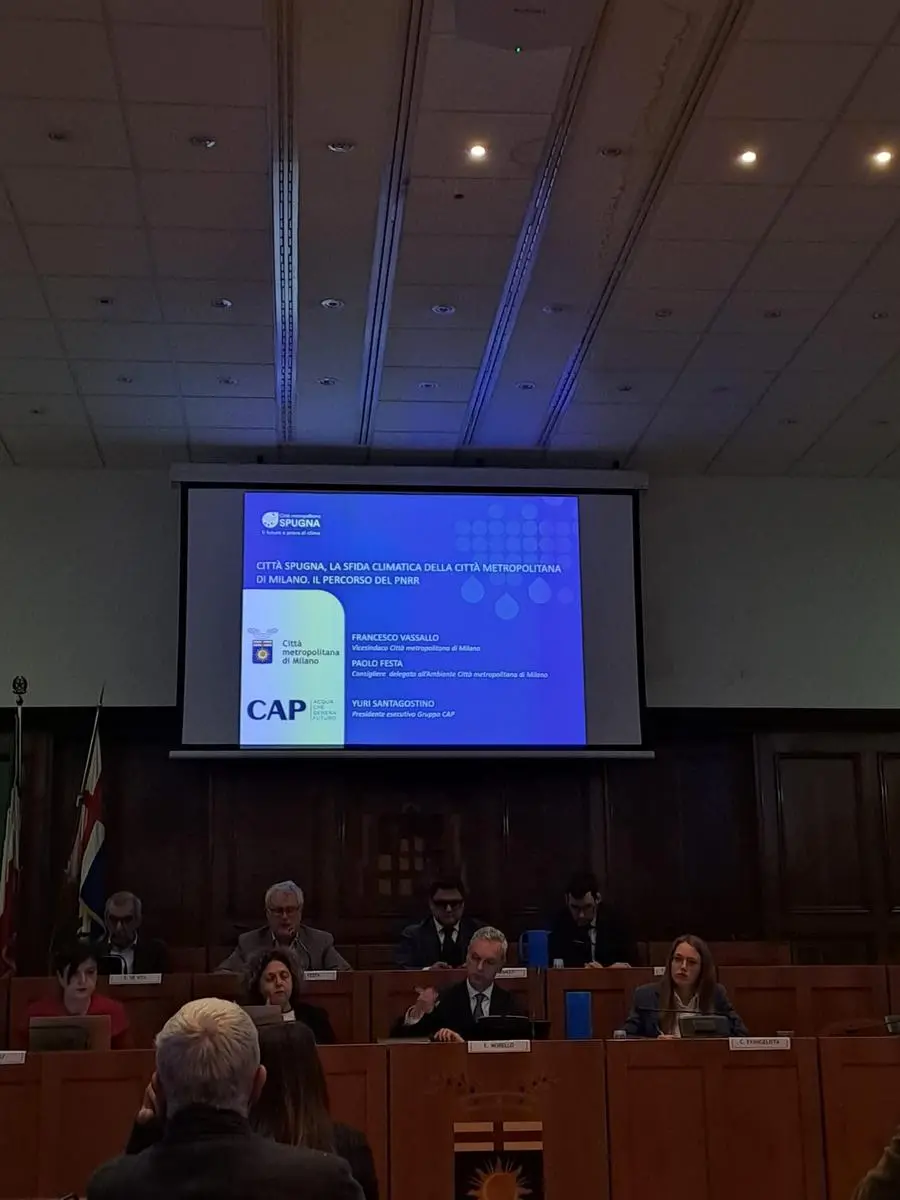
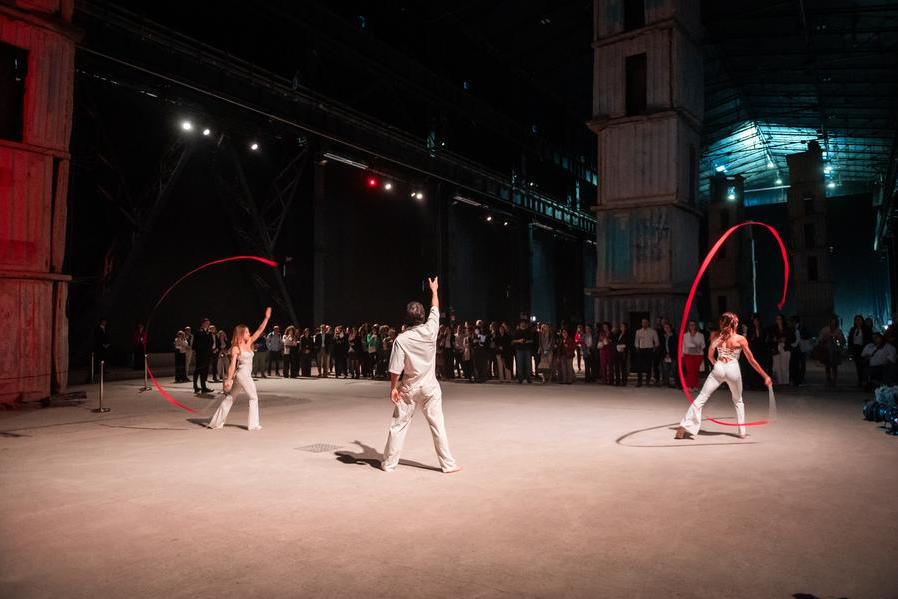
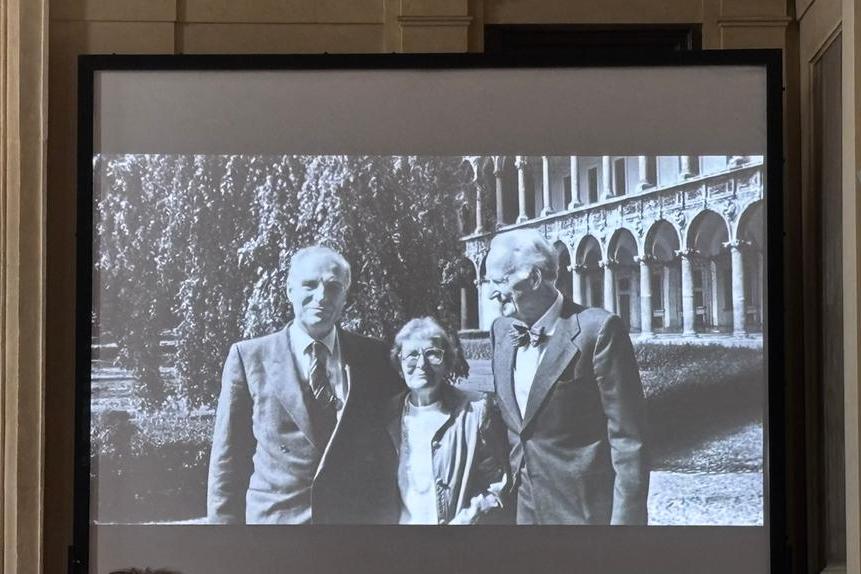
Just today, in the prestigious setting of Palazzo Isimbardithe project conclusion conference took place. It was an exciting moment of assessment, where technicians and administrators showed how the collaboration between different institutions (Metropolitan City, Ministry, Municipalities and CAP Group) managed to respect the strict deadlines of the PNRRbringing home concrete results well before the 2026 deadline.
But today’s closure is not an end, but a new beginning. The legacy of the Spugna Project is twofold: on the one hand the 88 permanent works that will protect our municipalities, on the other an integrated working method that will become the standard for the coming years. The challenge for the future is now to consolidate this “water strategy”, continuing to invest our own resources (as already announced with the new Metropolitan Recovery and Resilience Plan) to make every corner of our metropolitan area greener, fresher and, finally, capable of breathing together with nature.