
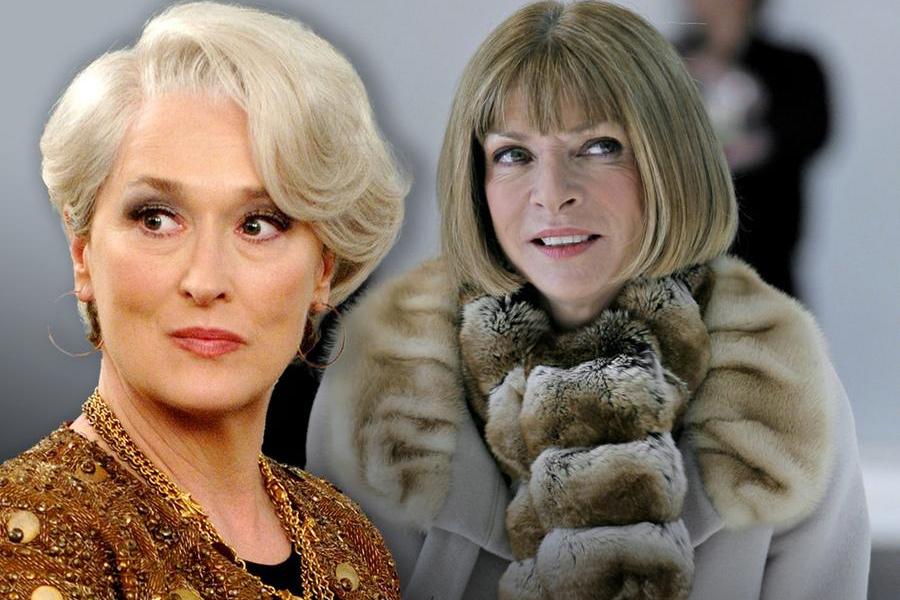


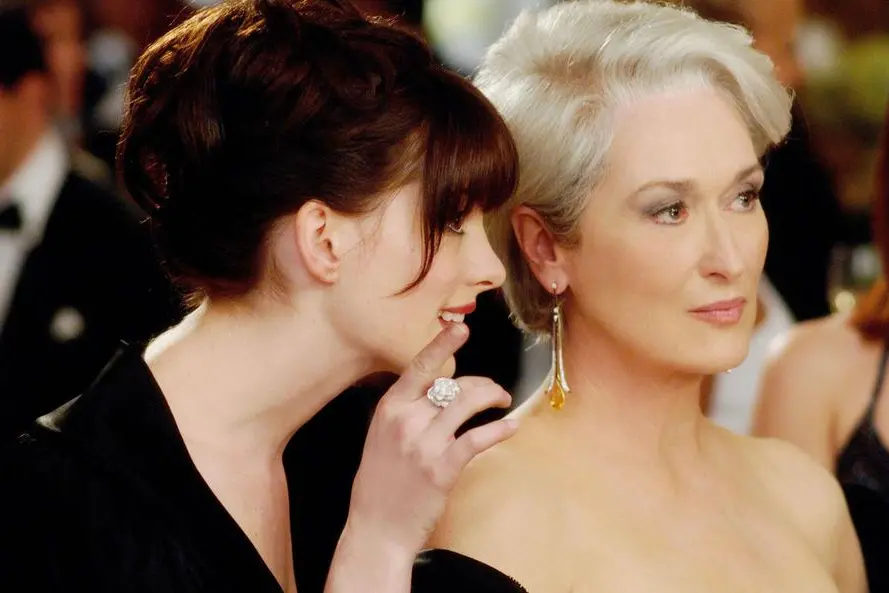
Twenty years ago Meryl Streep gave us one of her most iconic performances as Miranda Priestley (for which she received one of the 21 Oscar nominations of her career, an absolute record), the sophisticated and ruthless director of a New York fashion magazine inspired by Anna Wintour, at the helm of American Vogue.
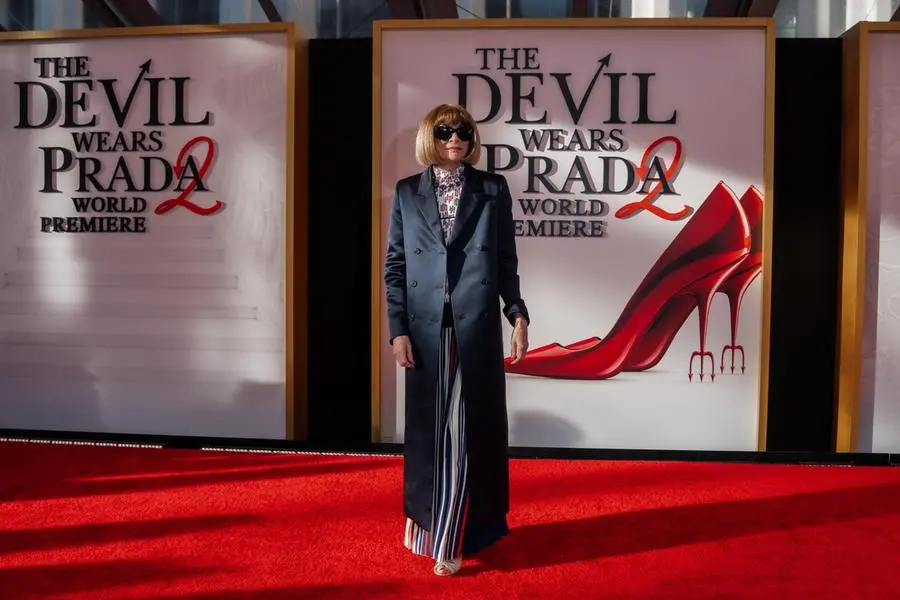
On the occasion of the sequel’s arrival in cinemas, the 2006 film returns to TV tonight on Canale 5. A film that established Anne Hathaway in the role of Andy, the aspiring journalist, Miranda’s simple alter ego, who arrived in the editorial office with no experience and no interest in that golden world: she just wants to make a CV, her ambitions are different. A bit of an ugly duckling who becomes a swan, Andy is initially bullied by the director and her assistantbut she resists and accepts the challenge, wears fashionable clothes, distances herself from her chef boyfriend and friends: in short, she is about to sell her soul to the devil. But this is not a film of denunciation as it was Ready-to-Wear by Altman. This is a comedy, and the good guys become good and pure again.
The film is based on the novel of the same name by Lauren Weisberger, The Devil Wears Prada (2003), an American writer and journalist, who, just like the protagonist of her bestseller, worked as assistant to the director of American Vogue, Anna Wintour.
Who is Anna Wintour
Anna Wintour (born 3 November 1949 in London, England) is a British journalist and an influential figure in the global fashion industry. As editorial director of American Vogue for a long time (1988–2025), che has helped transform fashion from a niche, predominantly female interest to a central component of global popular culture. She also served as global chief content officer for Vogue’s parent company, Condé Nast (since 2020) and, after leaving in 2025, continued with the magazine as global editorial director. On a personality level, she was an extremely determined, ambitious and perfectionist leader, who always adopted iron discipline even in her personal life.
Anna Wintour is the daughter of Charles Vere Wintour, who was twice editor of the London newspaper Evening Standard. She dropped out of North London Collegiate in 1966, partly due to her nonconformist character which led her to shorten her skirts. Four years later she became a fashion assistant for the magazine Harper’s & Queen. After working as a fashion editor for a series of New York magazines, she was editor (1986) of British Vogue and then director (1987) of House & Gardenwhich he relaunched in the United States under the name HG, sparking controversy.
In 1988 Wintour replaced Grace Mirabella as director of American Vogue. The appointment came three years after the US launch of the French magazine Ellewhich constantly threatened to reduce circulation and advertising revenues of Vogue. Explaining her editorial philosophy, defined as the “democratic fantasy of fashion”, Wintour declared: «Mass with class — this is my mantra». The covers of Vogue under his direction they began to present famous women — including actresses Nicole Kidman and Angelina Jolie, athlete Serena Williams and politician Hillary Clinton — instead of exclusively using models.
Under Wintour’s leadership, Condé Nast launched several spin-off publications, including above all Teen Vogue (1993). Wintour was also the architect of important philanthropic initiatives linked to Vogue, in particular the transformation of the Met Gala. The annual fundraising event for the Costume Institute of the Metropolitan Museum of Art in New York, originally an elite gathering of Manhattan high society, was reinvented by Wintour as an international event dominated by celebrities and the red carpet, known as the “East Coast’s answer to the Oscars.”
Wintour hplayed a decisive role in supporting the careers of numerous fashion professionals, including the supermodel generation of the 90s, the photographer Herb Ritts and various important stylists. Thanks to his influence, he obtained financing for the young Parisian fashion house of John Galliano, contributing to his appointment in 1997 as creative director of Christian Dior. Alexander McQueen and Marc Jacobs also benefited from his support. In 2003, together with the Council of Fashion Designers of America (CFDA), he established the CFDA/Vogue Fashion Fund, intended to offer financial support and mentoring to the “new generation” of American designers.
In a move that reflected his broad influence, in 2013 Wintour became artistic director of Condé Nast. Seven years later she was named the company’s global chief content officer. In June 2025 she left her role as editor of Vogue, but continued to hold the positions of global editorial director of the magazine and global chief content officer of Condé Nast. Shortly thereafter, Chloe Malle, editor of Vogue.com, was appointed head of the magazine’s editorial content, while the title of editor in chief was retired along with Wintour’s exit.
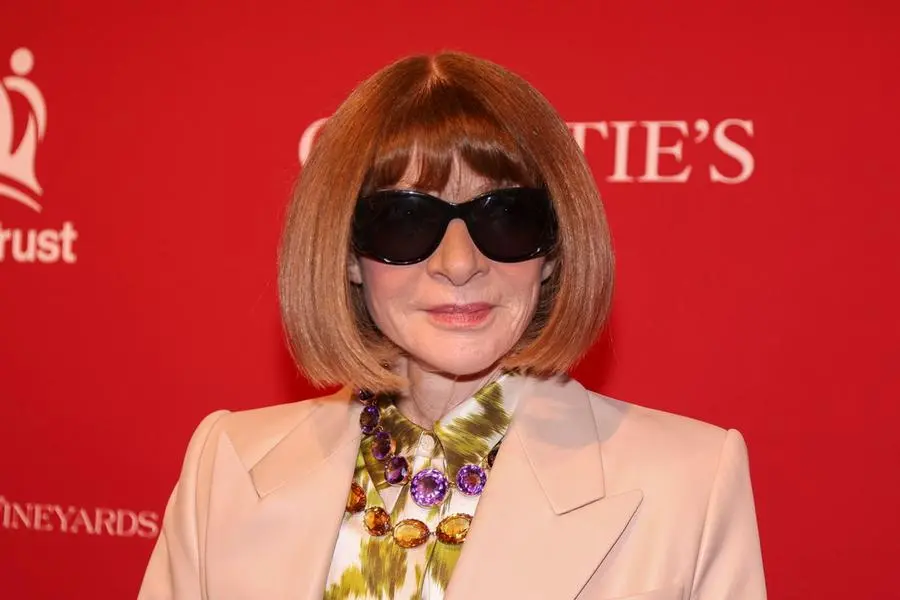
Why does he almost always wear dark glasses?
A style icon, with her pageboy bob hairstyle that has distinguished her since adolescence, she almost always wears a pair of glasses with dark lenses. They are probably short-sighted glasses (his father also suffered from serious vision problems), but darkened because so they allow her not to show facial expressions during fashion shows and more generally they are a sort of armor behind which to hide emotional reactions.
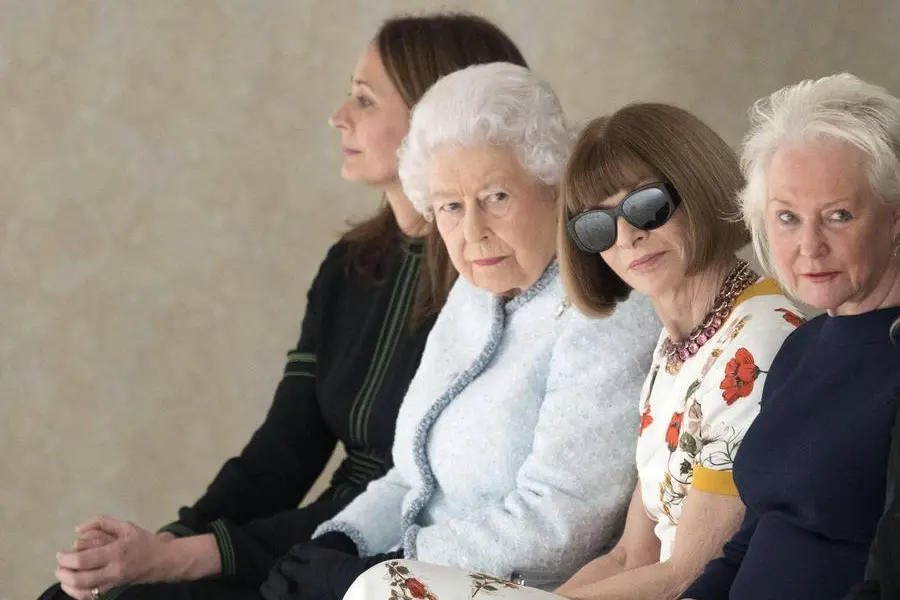
From her first marriage to child psychiatrist David Shaffe she had two children, Charles (Charlie) born in 1985, and Katherine (known as Bee) in 1987, and is a grandmother of three grandchildren. AND tennis enthusiast (she is often seen in the stands during the matches of the most important tournaments) and has always supported the democratic candidates in the American presidential elections