




«The liberalization of openings was intended to support consumption after the years of stagnation. But this did not happen and it was workers and small businesses who paid the costs.” Alessio Di Labio45 years old, is the national secretary of Filcams-Cgil, the Italian Federation of trade, tourism and service workers, a member of the CGIL.
Hasn’t consumption increased with Sunday openings?
«Not really, also because over the years the purchasing power of Italians has eroded. They simply redistributed themselves over seven days, polarizing over the weekend. The lack of convenience of Sunday openings is also recognized by a significant part of large-scale retail businesses. This model does not serve the economy and takes away the social value of religious and civil holidays.”
Who therefore benefits from the liberalization of openings?
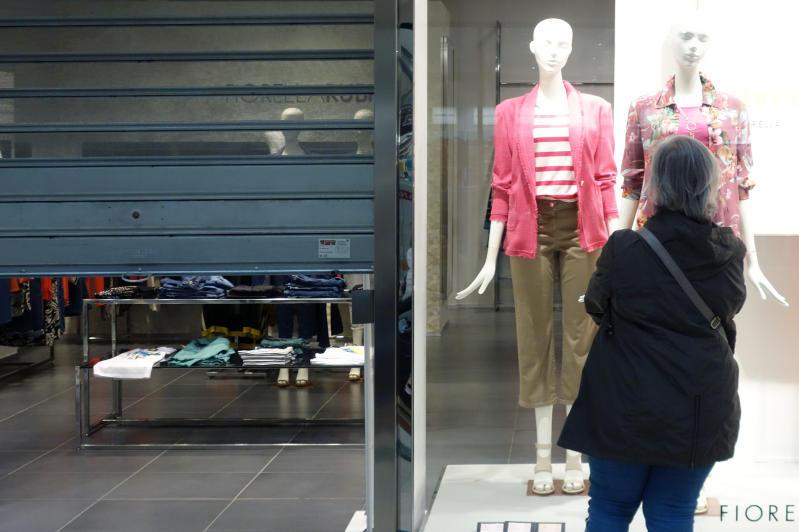
«To the large multinationals, who have eaten up market shares. It is no coincidence that the sector has gone into a tailspin. For small companies, it is unsustainable to keep up with openings 365 days a year and the resulting increase in costs for them. Liberalization has accelerated a process already underway, the emptying of local shops, so much so that many have closed. It is time that the sole objective of profit for a few gives way to protecting the well-being of workers.”
Primary services aside…
«For healthcare or catering and tourism facilities, the matter is different. But Sunday shopping is not an essential service, its lack would not be a decisive deprivation for citizens.”
What burdens fall on workers today?
«Workers are at the mercy of consumption needs, they have to work on holidays given that contracts often provide for Sunday shifts by default, even if this implies great personal deprivation. On balance, it is a false voluntariness to work on Sundays. And the earnings are negligible: there has been no increase in wages or employment: thanks to the polarization of consumption on certain days and certain time slots, the “poor part-timers” have increased to 700-800 euros per month”.
How are Sundays paid?
«From a national contract, 30% more. Working on a Sunday every now and then would be sustainable for both workers and businesses, vice versa it becomes an economic and human cost.”
Maybe some workers are interested in supplementing their salary…
«Perhaps to students, but they are a minimal portion of workers who, as soon as their living conditions change, realize what working on holidays entails».
How did we get to this point?
«In a context of great competition, companies have started to keep things open all the time, and not only when it is really useful. Today it is a jungle. Before the Save Italy decree, Sunday openings were agreed with the Regions, and the Municipalities established an opening calendar based on the needs of the territory. Thanks to concertation, a balance was found between the interests of businesses, the social fabric and workers.”
What is the union’s hope?
«Return to concertation, with the aim of opening only when necessary. Where we succeed, generally in large companies but not in widespread commerce, we already propose participatory organizational models, in which workers indicate their availability for holidays, with long-term planning. The right to dignified working conditions and the possibility of a balanced work-life balance is central: a national law would be needed. We cannot ignore a reflection on indiscriminate liberalization, the debate must continue.” L. BEL.