Abderrahim Fakir’s death is unacceptable. Prime Minister Giorgia Meloni is right to say it, and she is right when she asks that the truth must be sought to the end, without prejudice and without discounts for anyone. In a serious rule of law, when a man dies during a police intervention, the facts are investigated, the facts are reconstructed and the responsibilities are ascertained. And, if there are faults, they are punished. And it is the magistrates’ job to do so.
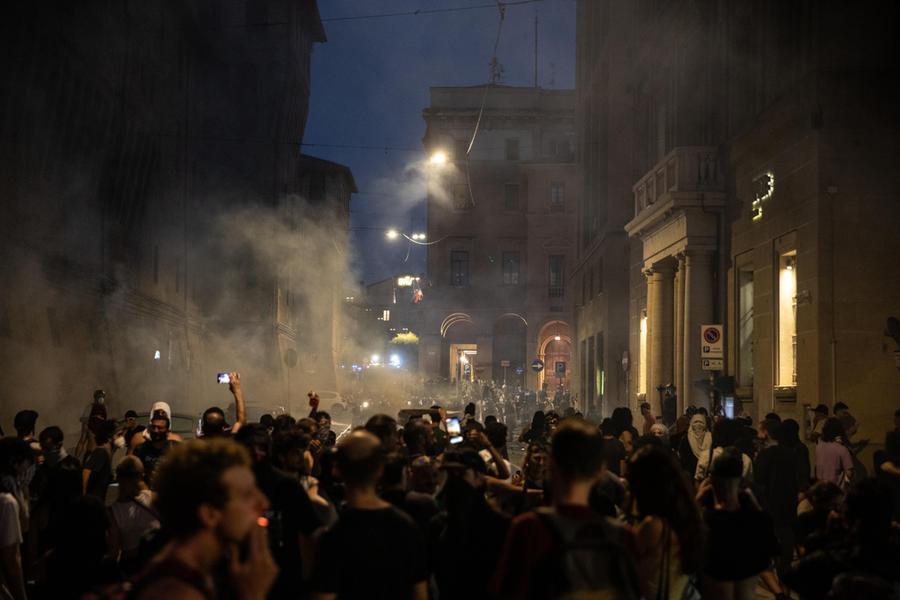
But precisely because Fakir’s death is serious, precisely because the family’s request deserves respect, the violence that broke out in the streets of Bologna under the pretext of demanding justice for this man is intolerable. Not only because it injured officers, devastated shops, set cars on fire and transformed the city center into a battlefield. It is intolerable because it ended up betraying the very demand for truth from which the demonstration was born.
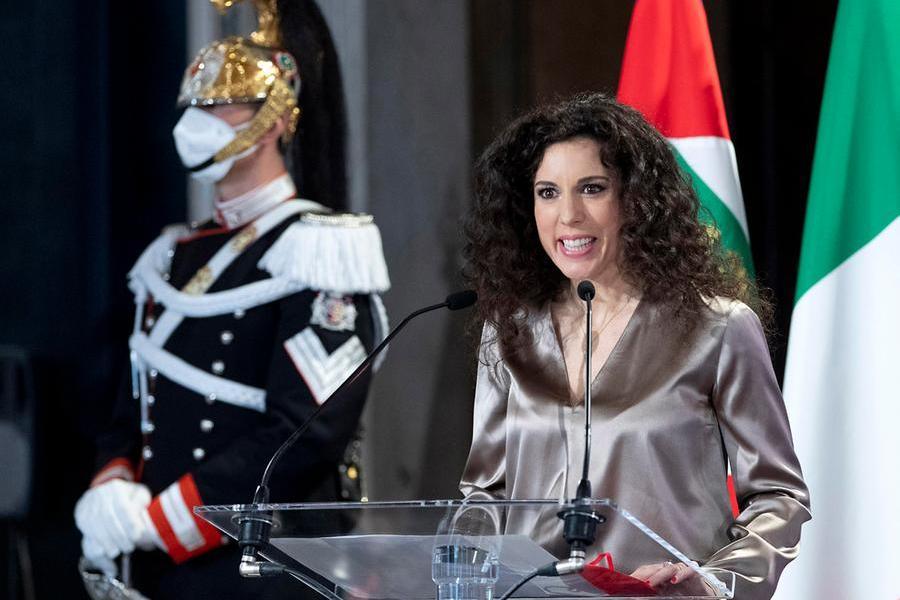
Fakir’s niece had said it in simple words, perhaps the most important ones spoken in recent days: “We don’t ask for revenge.” He asked for truth, justice, dignity. It is difficult to imagine a message further from that of paper bombs, stones and broken windows. The family understood what the professionals of the revolt pretend not to understand: violence cannot be responded to with more violence, because otherwise justice disappears and only revenge remains.
It is an old Italian vice to immediately enroll every tragedy into a faction. On the one hand there are those who consider the police to always be innocent, almost as if they were above the law. On the other hand, those who always consider them guilty, a kind of occupying army to be insulted and attacked. They are two mirror lies, good for propaganda and terrible for civil coexistence.


The police are not the master state. It is an institution of the democratic state, subject to the law like any citizen. It must protect, not abuse. But those who wear a uniform do not lose the right to their integrity, to their dignity, to their life. Hitting an officer with a stone or a paper bomb is not political dissent. It is pure violence, without extenuating circumstances. And violence does not become noble because it hides behind a banner or a revolutionary slogan.
In these days we should extinguish hatred, wherever it comes from. The one against Fakir, perhaps reduced to a problem of public order. The one against the policemen, all without distinction transformed into murderers. That of those who call for exemplary repressions and that of those who dream of the square as a court. Hate does not establish the facts, it does not do justice, it does not restore the dead. It only produces more wounded and prepares the next clash. We have to overcome this hatred.
The rule of law exists precisely to prevent everyone from taking justice into their own hands. His main task is not to repress, take revenge or demonstrate his strength. It is defending human life, guaranteeing the common good and creating the conditions so that citizens can live without fear.
Security is not the opposite of freedom, as some lazy rhetoric claims. It is an essential condition. There is no freedom when you fear abuse by those who represent the State. But there is no freedom even when a violent minority can set fire to a city, attack officers and impose its law by force. Security and freedom must proceed together, or they both end. Everything else is noise, propaganda and barbarism.