





Faced with a heatwave, the heart races to regulate our internal temperature. To avoid tiring the cardiovascular system and maintain good blood pressure, cardiologists from the Cardio-Vascular Research Foundation offer the anti-heatwave plate.
During a heatwave, the body experiences exceptional heat and expends energy to regulate its temperature. Under the effect of heat, the blood vessels dilate (this is cutaneous vasodilation) to evacuate the internal temperature. This requires considerable effort on the heart, which must pump faster to maintain blood pressure. This is why digesting a heavy, fatty or sugary meal should be avoided when it is hot: it takes too much energy and tires the body. Instead, the Cardio-Vascular Research Foundation offers a “fresh” plate inspired by the Mediterranean diet, ideal for protecting your heart and your blood pressure when it is very hot.
In summer, we lose a lot of water and minerals through sweat. We must therefore rely on potassium to compensate for its losses while regulating blood pressure and supporting cardiac function. You should also eat foods rich in water, antioxidants and good fatty acids (omega-3), which preserve the flexibility of blood vessels. “During a heatwave, the ideal plate for the heart looks more like a market basket than a stew: colorful fruits and vegetables, light proteins, regular water and as little ultra-processed foods as possible“, specify the cardiologists.
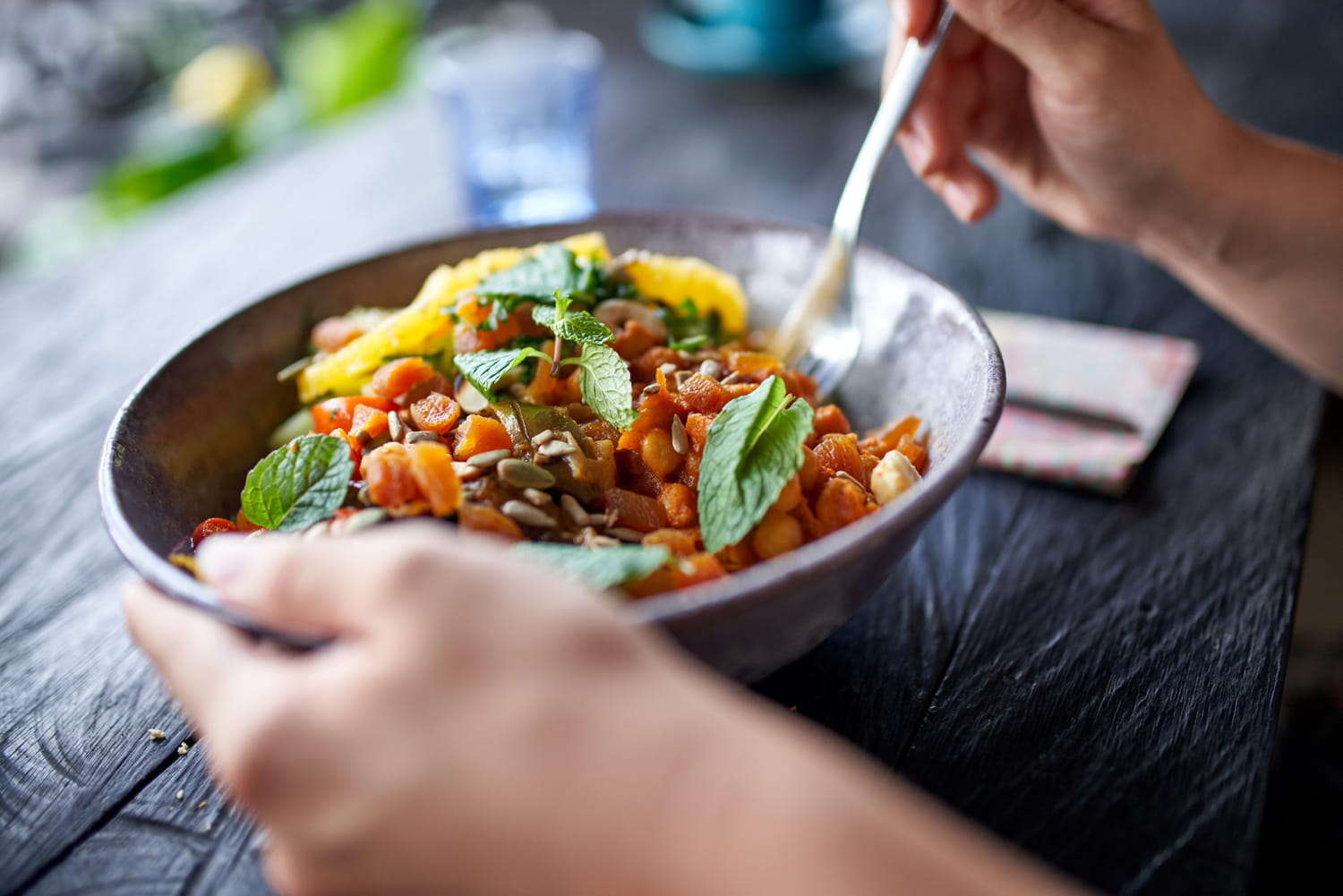
Their favorite plate consists of a chickpea salad, grilled zucchini and cold peppers, seasoned with a drizzle of olive or rapeseed oil. A source of unsaturated fatty acids that help regulate cholesterol and protect the heart muscle. To this, we add feta cubes in moderate quantities. We sprinkle everything with fresh basil or mint which facilitate digestion and provide a thirst-quenching note. If you’re still hungry, you can treat yourself to a slice of wholemeal bread.
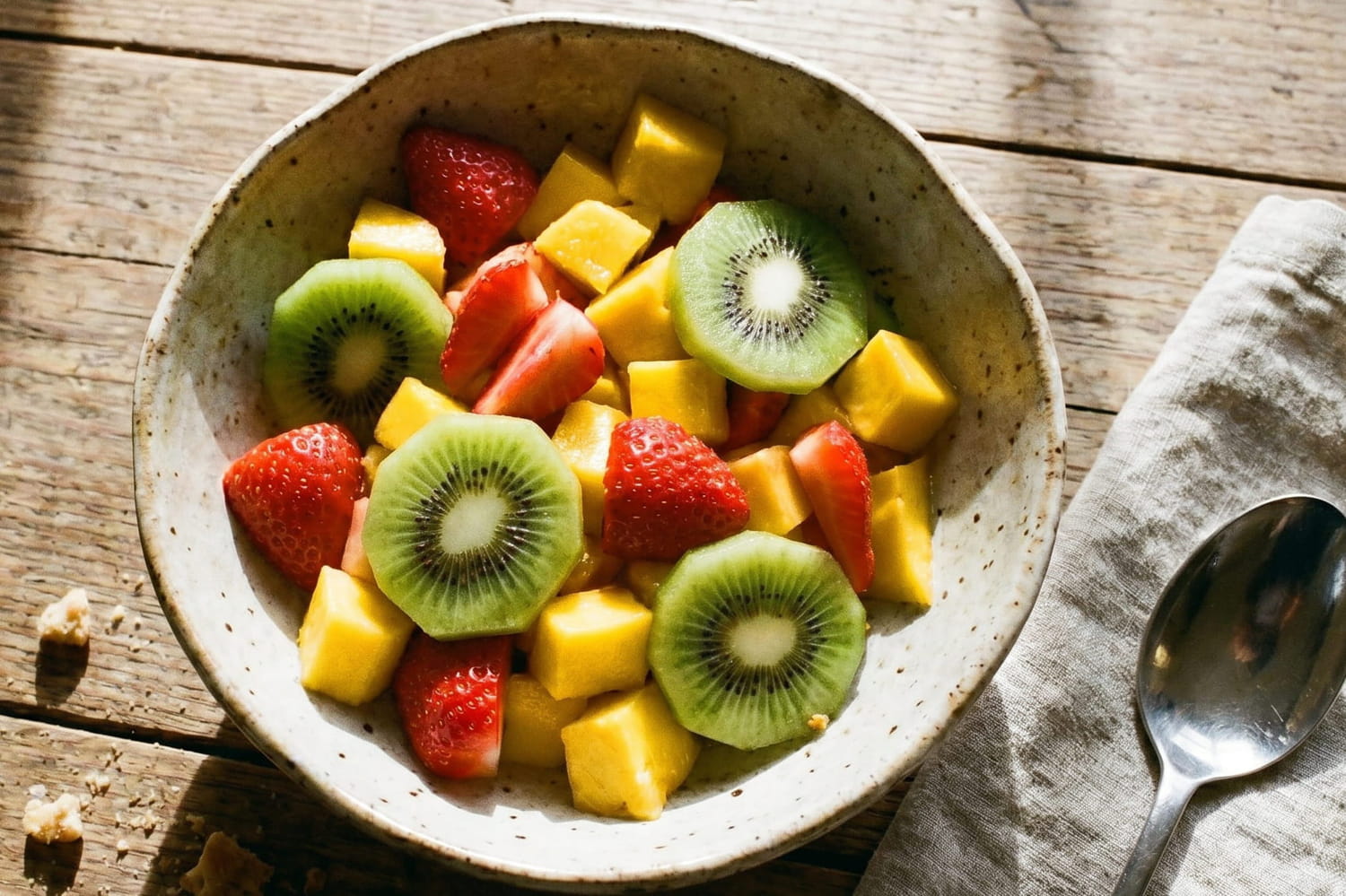
For dessert, we opt for cottage cheese and red fruits (strawberries, raspberries, blueberries). Their pigments (anthocyanins) protect small blood vessels, often damaged by heat.
To preserve your heart rate in the heat, you should not skip meals but rather break them up into small, light portions throughout the day. It is also better to ban (or strongly limit) alcohol and sugary drinks which accelerate dehydration, in favor of water or fresh infusions. Finally, it is better to avoid frozen foods which cause thermal shock, and instead eat them chilled or at room temperature to relieve the metabolism.