We slip it into our yogurts without thinking about it.
With the hot weather, we prefer to eat light vegetables, raw vegetables in salads and enjoy juicy fruits to cool down. Good news: these summer reflexes are also excellent health allies. A doctor recommends focusing in particular on a fruit that has “more scientific evidence about the heart and brain than you think”. “And no it’s not the lawyer” immediately launches Dr Aurelio Rojas, Spanish cardiologist, in a video. “This fruit lowers systolic blood pressure” explains the doctor with effects “comparable to certain medications”. Systolic pressure corresponds to the first number of blood pressure, measured when the heart contracts to pump blood. It is the most decisive indicator for assessing cardiovascular risk.
The miracle fruit? The blueberry. Blueberries owe their strengths to their richness in anthocyanins, these blue-violet pigments with powerful antioxidant properties, which protect blood vessels and fight against inflammation. How much should you consume to benefit from these benefits? “Around 150 g of blueberries per day, that’s a generous handful” advises the cardiologist. According to him, this habit is associated with a clear reduction in the risk of “heart problems, such as a heart attack, but also brain problems, such as a stroke”.
“This fruit is superior to all others when it comes to protecting your brain, continues the doctor. It increases blood flow to areas related to memory and attention.” The effects are confirmed by science: “A study published in Nutritional Neuroscience showed measurable improvements in memory tests after just 12 weeks of consumption.” Blueberry could also slow down brain aging. “Studies of more than 16,000 women showed that those who ate this fruit regularly delayed cognitive decline for up to 2 years compared to those who did not eat it.”
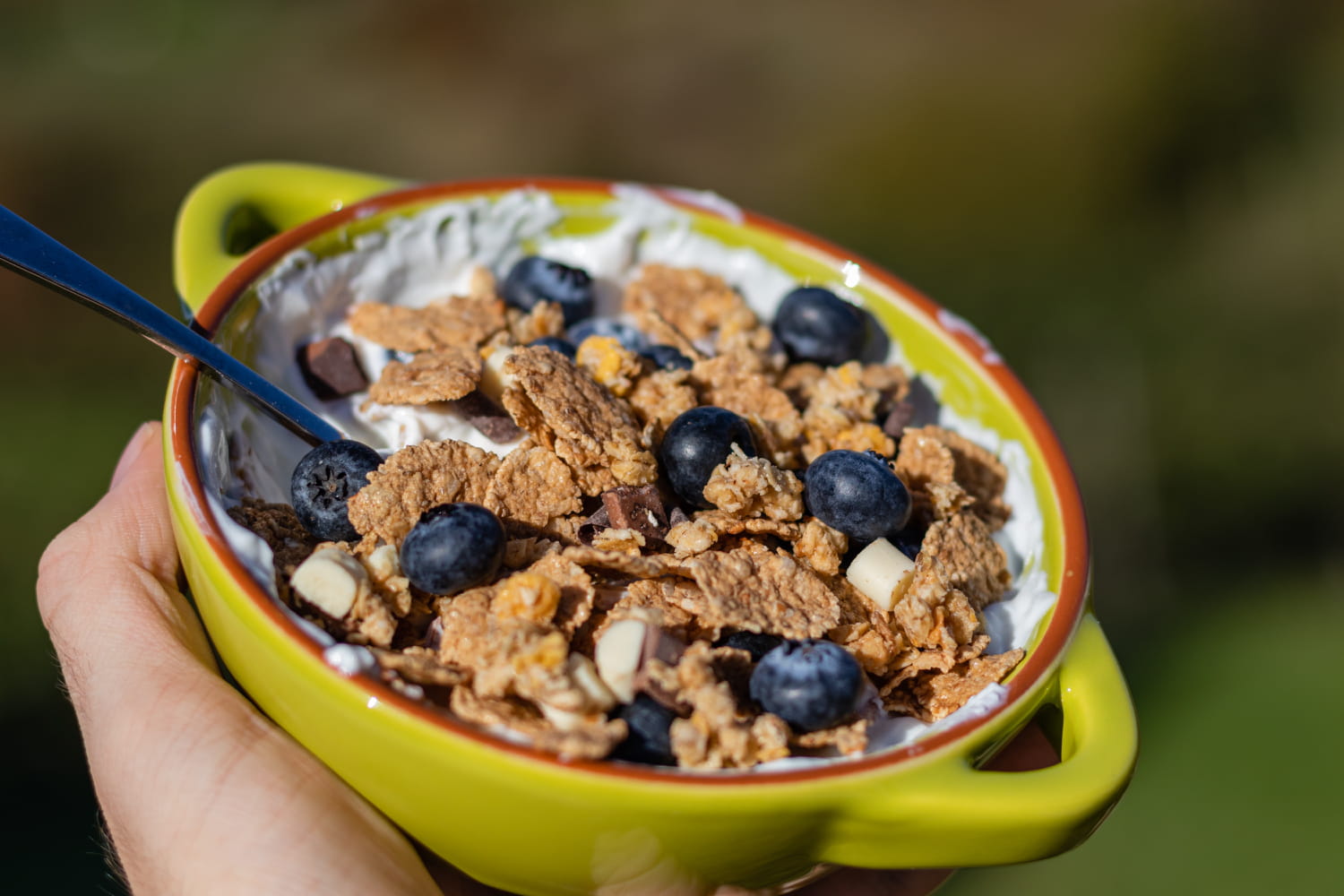
The blueberry season extends from June to September. A handful at breakfast, mixed with natural yogurt, oatmeal or cottage cheese, easily reaches the recommended 150 g. It can also be slipped into a fruit salad, a smoothie, or simply eaten plain as a snack. Out of season, the frozen version retains most of its nutrients.
You now know what you need to do to combine freshness, deliciousness and longevity. This summer, we’re swapping industrial snacks for a 100% healthy break that protects the heart and brain.