






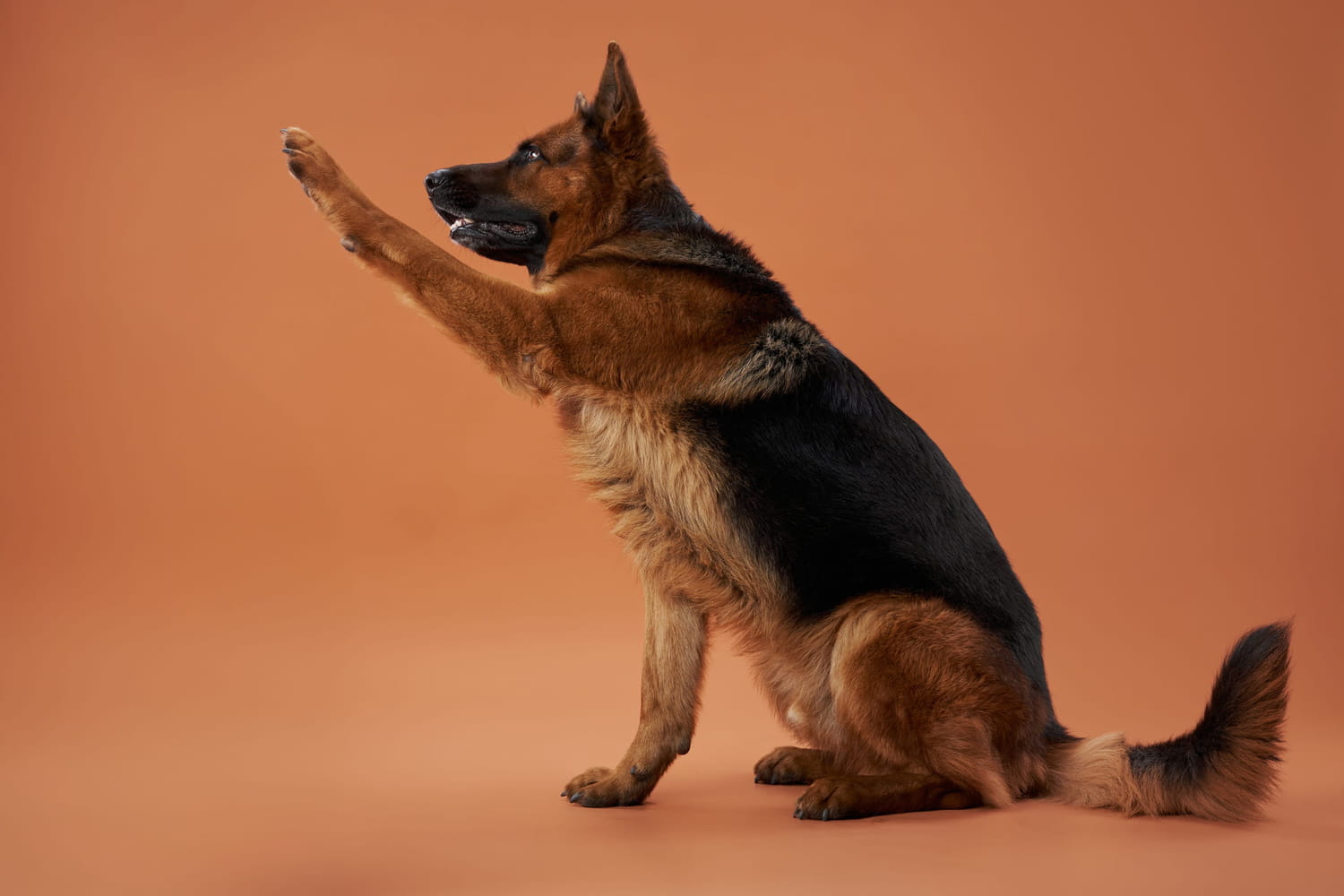
Everyone tends to teach their puppy to sit, but this dog trainer suggests another alternative. Which one and why?
Training a dog is not simply a question of comfort for the owner, but a question of safety for the animal and those around it. By learning to obey commands, the dog becomes better able to react correctly in situations that can be risky. Whether crossing a street safely, meeting other animals without aggressive behavior, or dealing with children, a well-trained dog is more calm and reacts better to unexpected events. Dog training is therefore essential on a daily basis, because it creates a harmonious and secure relationship between the dog and its environment.
Typically, the “sit” command is one of the first actions taught to a puppy. However, according to Kim Paciotti, dog trainer at Empowered Puppy Programthis is not the order with which to start. Although this command is simple to perform and often used to calm an excited puppy, it is not the best way to begin training. The expert recommends favoring a more structured approach, where the dog first learns to understand its master’s expectations in a more concrete and immediate way.
Thus, Kim Paciotti recommends instead starting training by teaching the dog to “stay in its place”. This command involves teaching the dog not to move from where he is, which may be on a mat, in his basket, or in another defined area. According to the trainer, this approach is more concrete for the puppy: “It is easier for a puppy to learn to stay in a specific place than to immediately understand more abstract commands like ‘sit,” she explains to the British newspaper L’Express. In addition, starting with visual commands before introducing verbal commands is crucial for effective learning. “Dogs first learn through visual cues. When they understand how to go to a place and wait, you have already laid the foundation for other behaviors.”she specifies. This allows the puppy to better integrate the link between the action and the reward.
For puppy owners, it is essential to adopt a patient and consistent approach. Beyond the “stay in your place” command, Kim Paciotti advises using positive reinforcements, such as food rewards or petting, to encourage good behavior. Training should be done gradually, increasing the difficulty of the exercises as the puppy becomes more comfortable. It is also essential to keep sessions short and fun to prevent the puppy from losing attention. Finally, do not hesitate to consult a dog trainer if behavioral problems persist. Training a dog, although essential, must above all be a moment of complicity and shared pleasure.