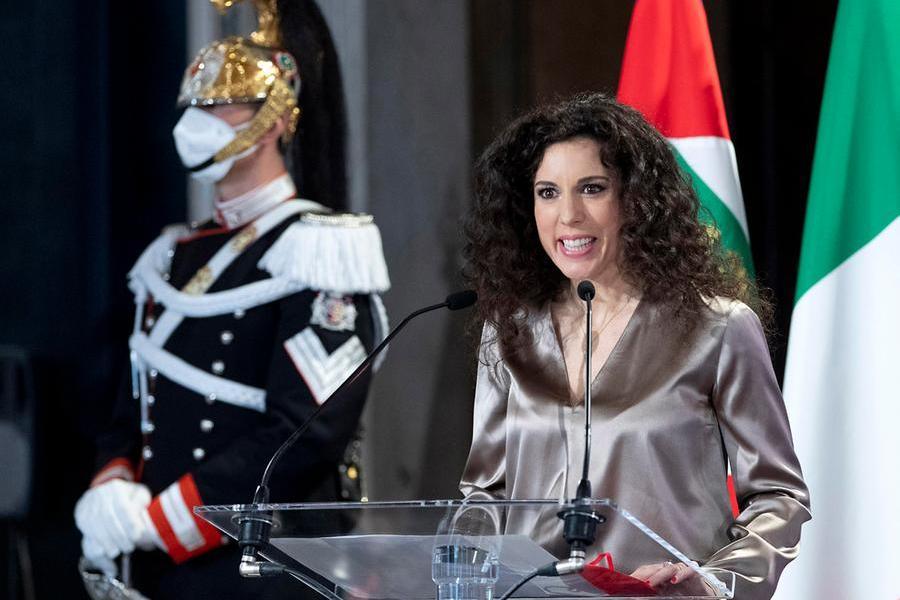






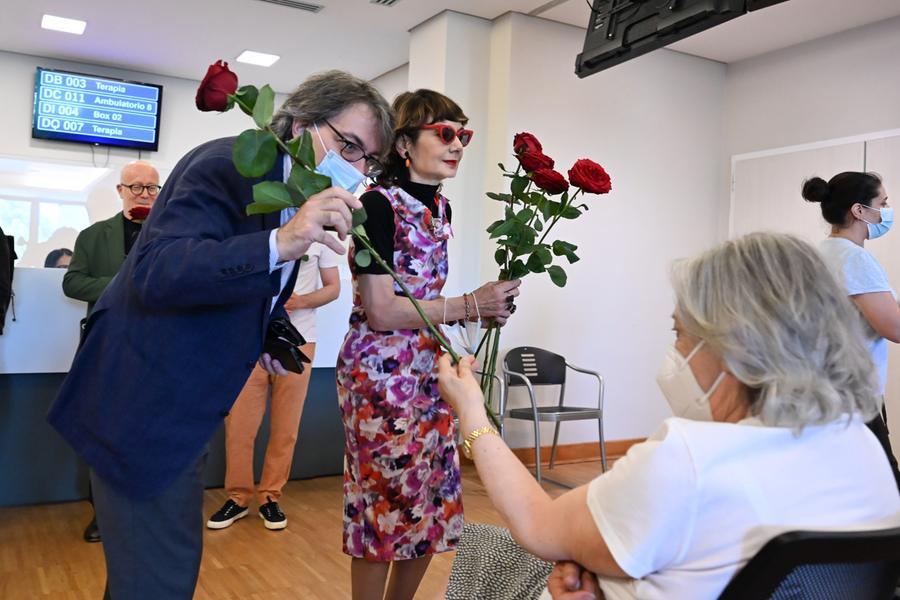
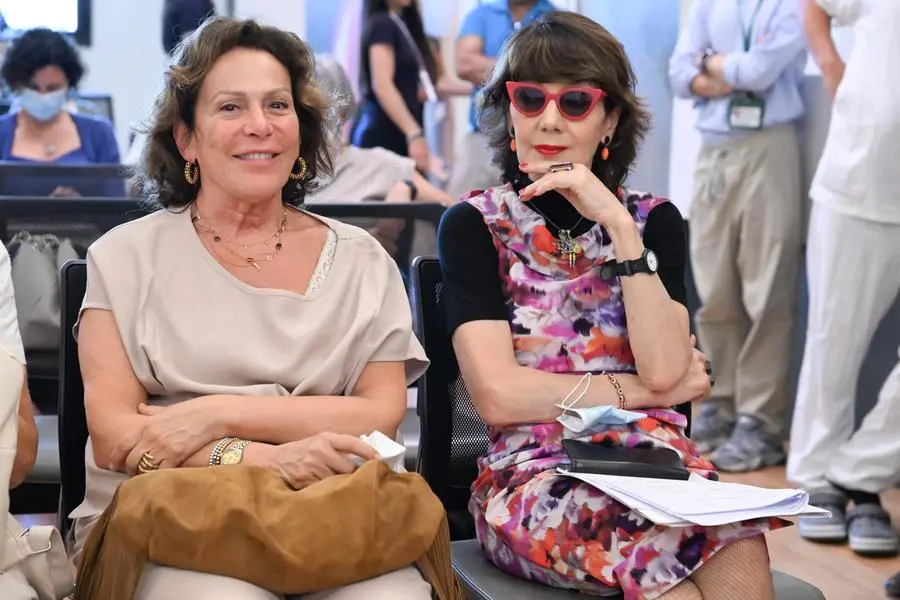
There is a place where what seem to be huge problems, be it a scolding from the boss at work or an argument with your partner, become tiny, because you understand that in life what matters is health, and until you meet the gaze of someone suffering from an illness you cannot empathize. It happened to me yesterday morning during the Oncological Day Hospital of the IRCCS Humanitas Clinical Institute of Rozzanowhen the waiting room was transformed into a small theater thanks to the actress Veronica Pivetti and the screenwriter Giovanna Grawho entertained the hospital public for an hour, transforming the wait into a more shared moment.
The cycle “Desire and Care” of La Milanesiana brought to Humanitas three events dedicated to the dialogue between medicine and culture: on 20 June at Humanitas San Pio
Yesterday’s meeting was the third of the cycle, conceived and developed by La Milanesiana, the cultural event conceived and directed by Elisabetta Sgarbi, who this year, thanks to the collaboration with Humanitas, has spread culture, mixing medicine and philosophy. It was right Elisabetta Sgarbi to open the meeting, speaking to the people in the waiting room and introducing Veronica Pivetti and Giovanna Gra. Afterwards, the two were given a microphone and sat at the front of the room. Veronica Pivetti spoke and the dialogue began. After an initial moment of disorientation on the part of the people in the room, the attention – until then concentrated on the screen which marked the numbers expected by each patient – also shifted to Veronica Pivetti’s words.
«I was very curious, especially about how I would relate – says Pivetti — and this, however, is a mistake, because you have to be simple, free, loose, and learn from the places you go. I take this home: I learned, obviously in an hour, to try to relate to a reality about which it is useless to ask a thousand questions. You have to come with openness and fill yourself with experience, and I hope I have managed to do this.”

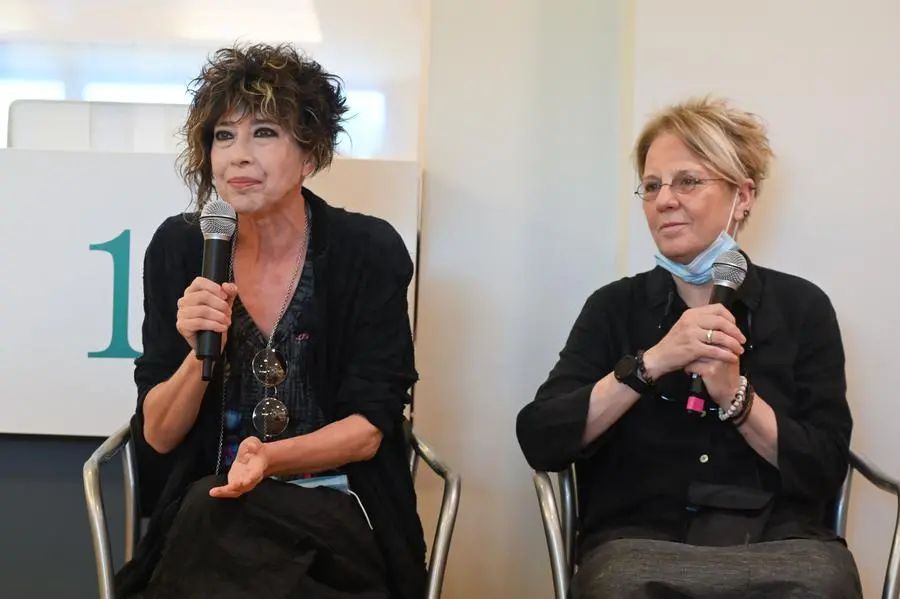


The actress opened up to the public, first speaking about female emancipation in the medical field, with a reference to the German psychiatrist and neurologist Paul Julius Möbius who published the pseudoscientific essay in 1900 “The mental inferiority of women”. She subsequently spoke about her experience of depression, which she managed to overcome after years. After concluding the speech, the two entered a ward where some patients were undergoing chemotherapy, from whom they managed to make a smile.
«These three meetings in Humanitas and two in the San Vittore Prison shook us and made us responsible – says Elisabetta Sgarbi -, we knew it was a challenge, which we faced with as much humility as possible. It was nice to see first-hand the availability of the artists, their generosity, and the connection they established with painful situations. Here is the pain. Perhaps art comes from there, and for this reason it is more important than ever that what we have done is repeated.”

The Oncology Day Hospital where the meeting took place is part of the Humanitas Cancer Center, which welcomes over 30 thousand patients every year and treats 7 thousand new ones, with around 2,600 people who every year follow courses of chemotherapy, immunotherapy or molecularly targeted therapies in DHO. The AYA (Adolescent and Young Adult) project also operates within the Cancer Center, one of the first Italian realities dedicated to patients between 16 and 39 years old suffering from tumors — a middle age between pediatrics and adult oncology, which requires specific clinical, psychological and educational responses, also through group activities designed to counter the risk of social isolation.