




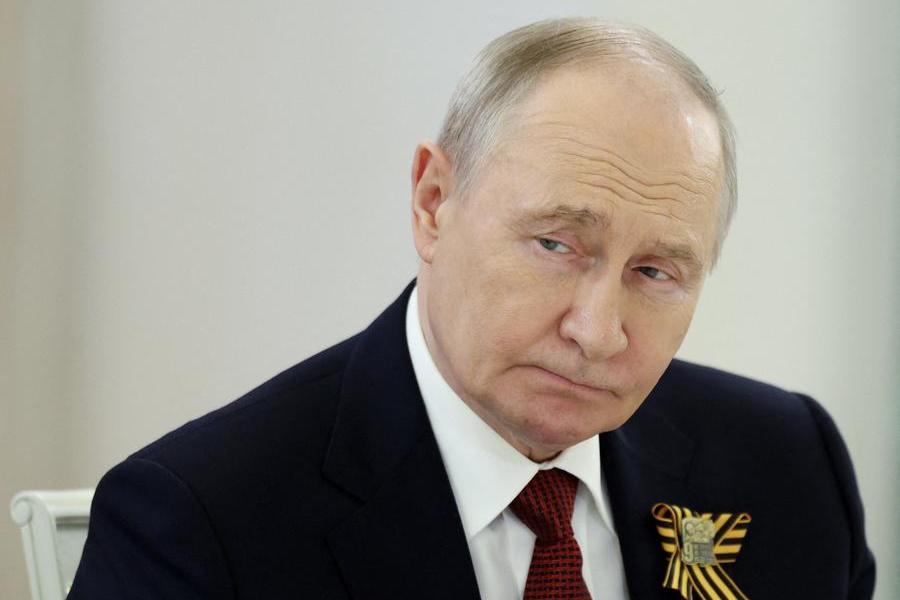
The truce is over. The arms ban lasted for exactly three days, without any hope of extension. Once the ceasefire deadline set for May 9th to 11th for the Victory Day celebrations had passed, on the night between May 11th and 12th Russian missiles and drones returned to target Kyiv and various regions of the country, from Kharkiv to Chernihiv, causing 4 civilian casualties and 27 injuries. «We have stated that we will respond with the same coin to all of Russia’s moves. Russia must end this war, and it is Russia that must take the step towards a real and lasting ceasefire. Until this happens, sanctions against Moscow are necessary and must remain in place and be strengthened,” President Zelensky said. The Russian city of Orenburg, 1200 km from the border with Ukraine, was hit by a drone attack, as reported by local authorities: a residential building was damaged, but there were no victims.
In view of the holiday of May 9th, the day of commemoration of the victory of the Soviet Union over Nazi Germany at the end of the Second World War, Putin had offered the truce to Kyiv, in fact, to safeguard the military parade on Red Square in Moscow by protecting the traditional parade celebrating Russian patriotism and national pride from possible Ukrainian attacks. An event that, this year, took place in a lower key, devoid of celebratory triumphalism, as evidenced by the presence of only five foreign leaders, as well as by the absence of tanks at the parade for security reasons, and by the strict controls on Red Square to avoid possible drone incursions.
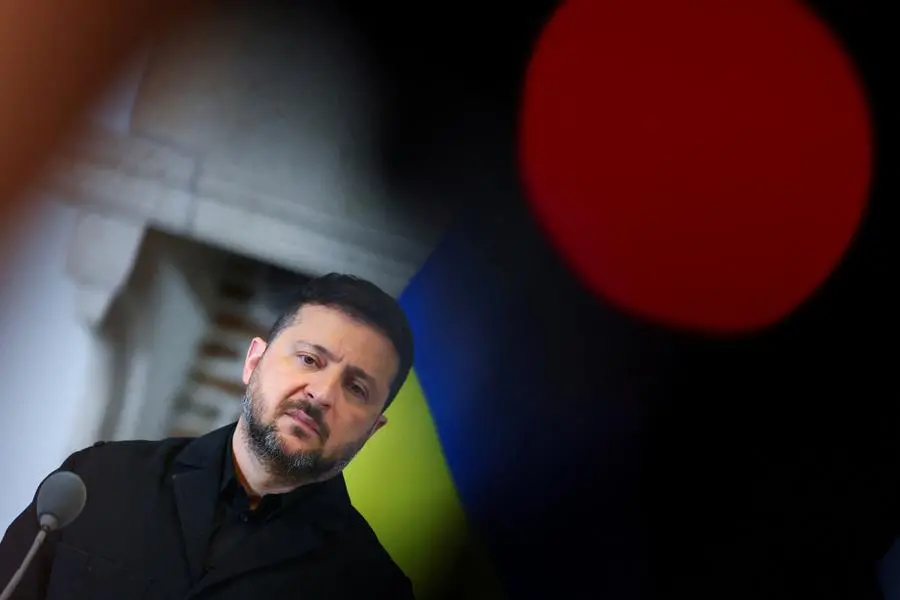
Ukrainian President Volodymyr Zelensky in the Netherlands.
(REUTERS)
The most important celebration of the year for the Kremlin showed the fragility and difficulties of Putin’s regime. Who, after declaring in his speech at the ceremony that “victory was ours and will be forever” in a war against Ukraine defined as an “aggressive force, armed and supported by the entire NATO bloc”, on the sidelines of the celebrations then argued that the end of the war in Ukraine is near, he opened up to possible negotiations with the European Union and said he was available to meet Ukrainian President Zelensky once a final peace agreement was reached. Putin has indicated Gerard Schroeder, German chancellor from 1998 to 2005, who retired from the political scene for years, as a possible mediator. The 82 former social democratic chancellor has always been linked to the Kremlin (he was involved in the Nord Stream gas pipeline, then Nord Stream 2 and was president of Rosneft, a Russian company operating in the oil and natural gas sector) and has always remained a supporter of Moscow and Putin, so much so that he did not condemn Russian aggression against Ukraine in 2022.
For the European Union, one thing is clear: choosing the negotiator is not up to the Kremlin. And it won’t be the former German chancellor, too unbalanced towards Moscow. EU Foreign Policy High Representative Kaja Kallas called Schroeder “a high-level lobbyist for Russian state-owned companies, so it’s clear why Putin wants him to be the person in question, so that he actually sits on both sides of the table.” Italian Foreign Minister Antonio Tajani also rejected the hypothesis put forward by Putin: “Europe chooses the name of the negotiator.”
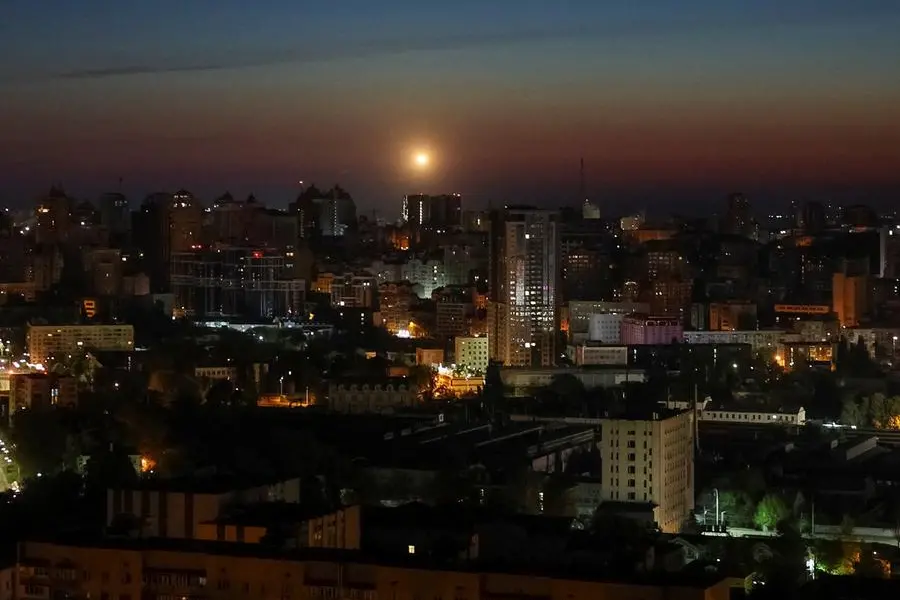
A Russian drone attack on Kyiv on the night of May 11-12.
(REUTERS)
But how reliable is Putin’s statements and intentions? The European Union keeps communication channels with Russia open: the president of the European Council, Antonio Costa, twice in one week underlined the need to open a dialogue with Moscow. But the EU is proving cautious, expressing distrust towards an apparent opening that could only hide a new strategy.
Russian Deputy Foreign Minister Alexander Grushko, quoted by the Tass agency today has already taken a step back from what Putin expressed just a few days ago, stating that the EU shows that it wants to “prolong the conflict as much as possible”. And he added that this “excludes for now any constructive participation of the European Union in the efforts to transform the conflict into a political-diplomatic path”.
On the other hand, Moscow has not moved an inch from its demands to bring the war to an end: the cession of the entire Donbas to Russia and the ban on Ukraine joining NATO in the future. The territorial question continues to be the most difficult issue for both parties to resolve: Moscow is determined to obtain total control by the end of the year, at any cost. Kyiv is absolutely not willing to withdraw from the territory still under Ukrainian control and demands solid security guarantees.
The front line has been substantially frozen for some time now. While people continue to die on the battlefield, in a war of attrition which – as reported last February by the Center for Strategic and International Studies – is costing Russia much more than Ukraine in terms of military losses – including dead, wounded or missing soldiers – in the face of small and very slow territorial advances, despite the propaganda so far suggesting the opposite.
Between aired openings to dialogue and timely about-faces, the path of peace negotiations currently remains uphill, without concrete, significant steps forward. However Putin, who internal polls show is declining in support, is clearly in difficulty and in the Kremlin – it is now clear – something is inexorably cracking.